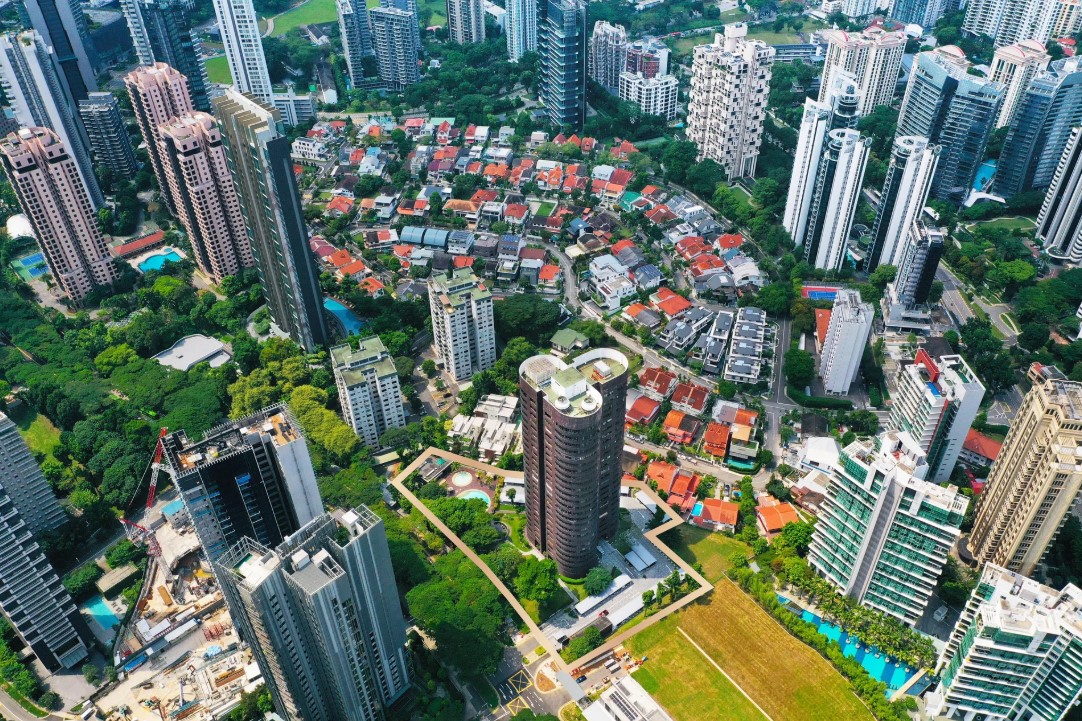
Singapore’s condominium market is undergoing a distinct shift in 2025: young families are now the driving force behind rising property demand, especially in districts known for their schools, safety, and community-oriented design. This change is reshaping both pricing and development priorities.
The core reason is clear: families are seeking more spacious, child-friendly homes with strong long-term value and access to reputable educational clusters. Unlike investors who once dominated the condo scene, today’s buyers focus on livability and proximity to essential services rather than short-term appreciation.
Why Family Districts Are Leading Growth
The past few years have seen a pronounced move away from the central business districts toward residential areas such as Bukit Timah, Serangoon, and Tampines. These neighborhoods combine reliable transport links with greenery, low crime rates, and access to international schools.
Developers have followed suit, designing condos that cater to multi-generational living, with larger layouts, activity zones, and childcare facilities.
Families are also influenced by practical economics. Singapore’s public housing prices remain high, and private condominiums offer both flexibility and prestige. With limited land and increasing urban density, condos in family-friendly districts deliver a balance of comfort and accessibility. For working parents, the ability to live near schools and MRT stations reduces commute time and improves daily quality of life.
Educational Hubs Shape Buying Decisions
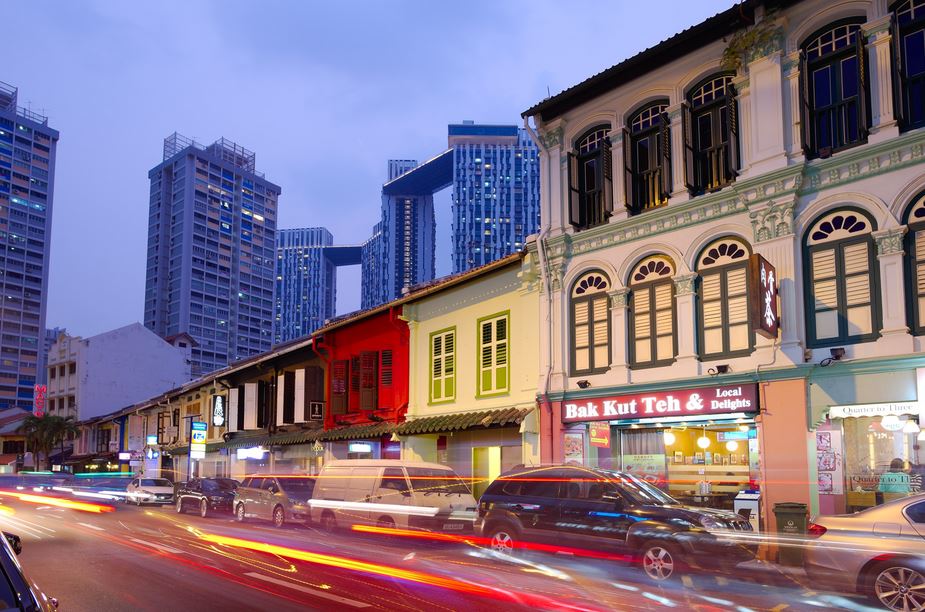
In areas like Bukit Timah, where top schools such as Nanyang Primary and Hwa Chong Institution cluster, residential projects continue to see consistent buyer interest even when broader market conditions slow. The so-called “school proximity premium” has become a defining feature of condo pricing, with units near sought-after schools commanding a 10–20% higher resale value.
Beyond traditional academic appeal, families are now looking for neighborhoods that offer holistic development for children, safe walking routes, community parks, and access to extracurricular activities within short distances. Condos that integrate play areas, reading lounges, and green courtyards reflect this new lifestyle orientation.
Design Trends in Modern Family Condominiums
Developers have responded by creating integrated family environments rather than just residential buildings. Large communal spaces, co-working lounges for parents, and rooftop gardens have become standard. Units now prioritize flexibility, open-plan living areas that can be converted into study corners, guest rooms, or play zones.
A recent example of this trend is Pinery Residences, located in one of Singapore’s most desirable suburban areas. The development emphasizes multi-generational layouts, natural ventilation, and family-sized units reflecting the evolving priorities of urban buyers. Rather than promoting luxury for its own sake, these residences demonstrate how family practicality and comfort can coexist with modern architecture.
Family-focused condos are also adopting sustainability as a core design element. From energy-efficient appliances to solar-shaded balconies, developers recognize that eco-conscious parents prefer environments that model responsible living for their children. This aligns with broader government goals encouraging green building standards under the BCA’s Green Mark certification.
Shifts in Buyer Demographics
Singapore’s family condominium market isn’t driven only by locals. Permanent residents and expatriates have increasingly joined the demand curve, particularly those relocating with children. The city’s reputation for safety and education draws professionals from finance, tech, and healthcare who prioritize long-term stability.
At the same time, first-time buyers are entering the private property market earlier than before. With stable interest rates and flexible loan structures, young couples in their late 20s and early 30s are leveraging dual incomes to secure homes that can accommodate future family growth. Developers now market their projects less as luxury investments and more as stable, generational homes.

Regional Growth Patterns Across Districts
Each family-centric district in Singapore shows distinct characteristics. Bukit Timah remains the traditional stronghold for elite schools and quiet greenery. Serangoon, once overlooked, now appeals to middle-income families due to its balance of affordability and access to amenities like NEX Mall and the Circle Line. Tampines and Pasir Ris, meanwhile, have evolved into complete township ecosystems with malls, community centers, and public parks.
New developments in the North-East and East regions are leveraging these advantages. Condos there integrate retail podiums, early childhood centers, and easy access to expressways. Districts with integrated MRT stations, such as Lentor and Hougang, are emerging as affordable alternatives for families who still want strong connectivity.
Another emerging project that reflects this evolution is Narra Residences, situated near key educational and lifestyle hubs. It prioritizes spatial flexibility, proximity to schools, and well-planned amenities. Rather than marketing to investors, its appeal lies in its practical design, catering to real families looking for longevity, security, and convenience in one location.
The Economics Behind the Demand Surge
Government cooling measures in recent years reduced speculative activity but unintentionally strengthened family demand. Since investors now face higher stamp duties, developers are focusing on genuine buyers who plan to occupy their homes. This shift stabilizes pricing while ensuring sustainable community growth.
At the same time, resale values of family-oriented condos outperform purely investment-driven ones. Units with larger square footage, dual balconies, or functional layouts maintain liquidity because they meet consistent real-life needs. Even during market slowdowns, these properties retain interest from upgraders and long-term homeowners.
Population trends further reinforce this shift. Singapore’s fertility rate, though low, is coupled with rising household income and a growing desire for privacy and comfort. Families with children prefer condominiums that provide not just shelter but a cohesive social environment. Developers are responding by curating spaces that support this evolution.
Community and Lifestyle Integration
Family-friendly condos increasingly serve as micro-communities. Residents form organic networks through playgroups, parent committees, and shared facilities. Such integration fosters stability and neighborly support, reducing the sense of isolation often associated with high-rise living.
Developers now plan retail components that cater to family needs, childcare centers, clinics, bakeries, and educational enrichment hubs, within or adjacent to condo grounds. This proximity-driven ecosystem reflects Singapore’s long-term urban strategy: to build vertical villages where families can thrive without depending on cars or long commutes.
Future Outlook for Family Districts
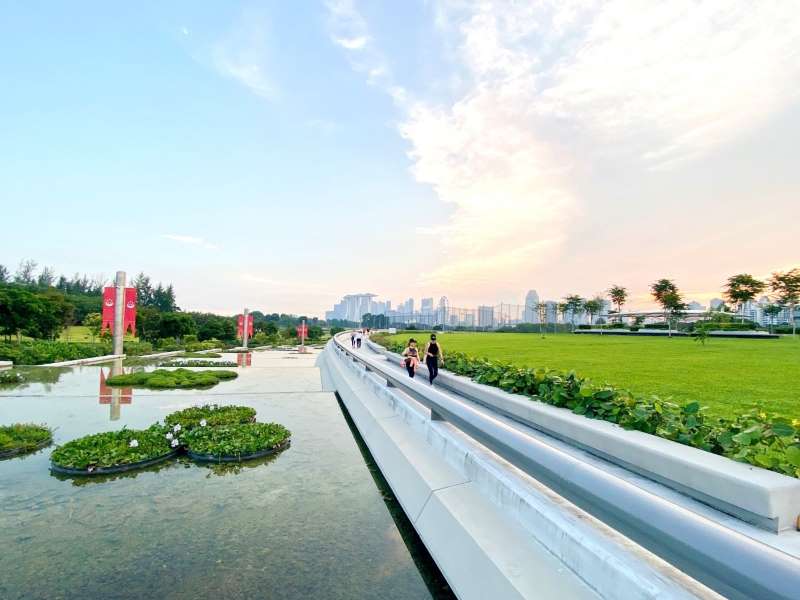
The next phase of condo development in Singapore will likely deepen this family orientation. As the government continues decentralizing business activity through regional hubs like Jurong Lake District and Woodlands North Coast, families will benefit from more balanced urban planning.
Analysts expect demand for three-bedroom and four-bedroom units to remain resilient, while smaller units face more volatile price adjustments. Developers who understand this shift toward family-scale living are expected to lead the next property cycle.
By 2030, the urban family condo will likely include even more integrated technology, energy dashboards, safety sensors, and AI-based maintenance alerts, but its core appeal will stay the same: security, education, and belonging. Family-friendly districts offer the closest thing to suburban calm within Singapore’s dense urban framework.
Conclusion
Singapore’s rising condo demand in family-oriented districts reflects more than just real estate trends; it captures how the city’s values are changing. For many households, a good home is no longer defined by proximity to the CBD or speculative returns. Instead, it’s measured by safety, schooling, community, and continuity.