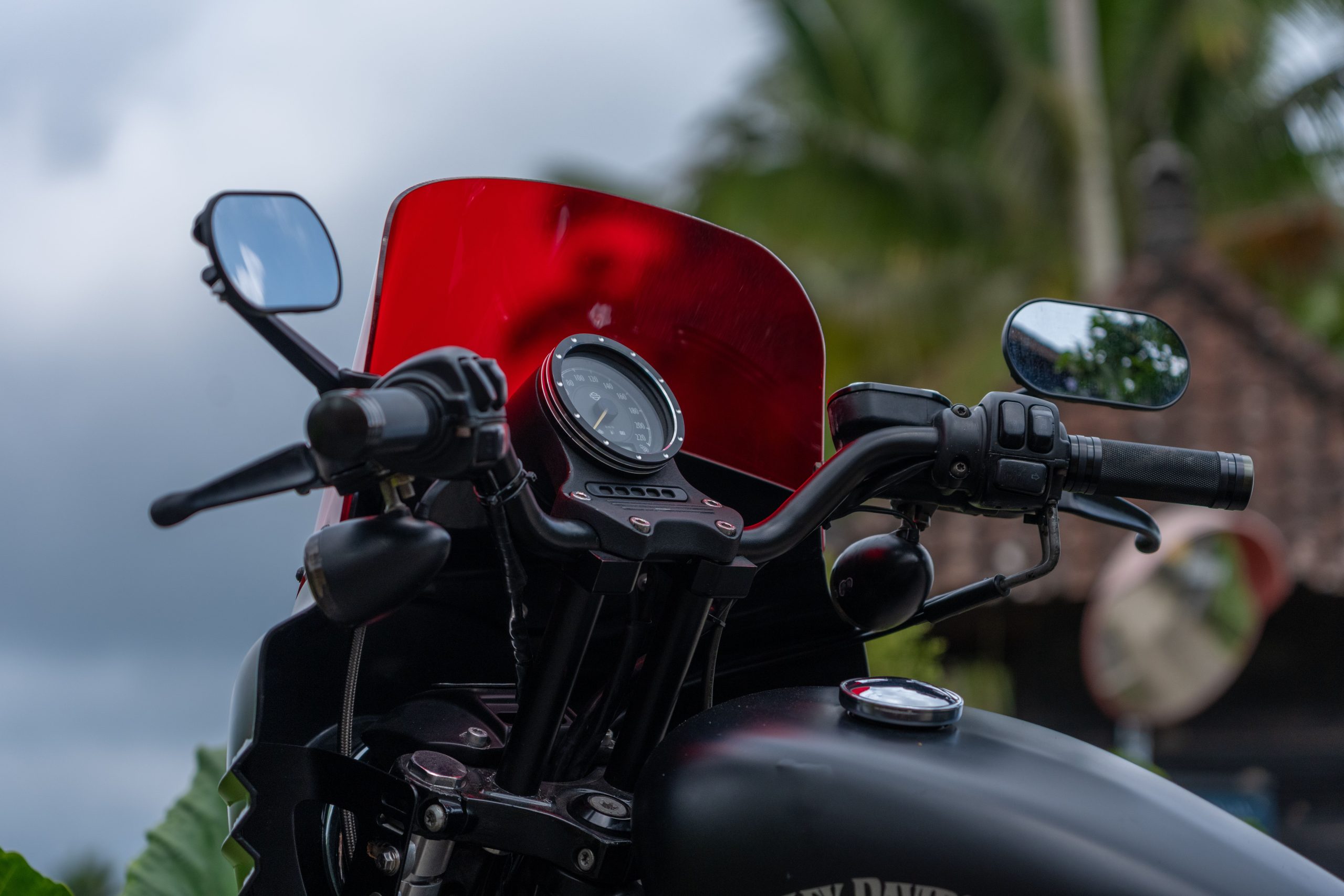
Ride far enough and the wind stops feeling like weather and starts feeling like resistance. It pushes your chest back, rattles your helmet, and quietly drains your attention. By the time you notice, you’ve been fighting it for two hours. That’s the case for proper motorcycle windshields: not decoration, not comfort trim, but fatigue management.
What a windshield is really doing
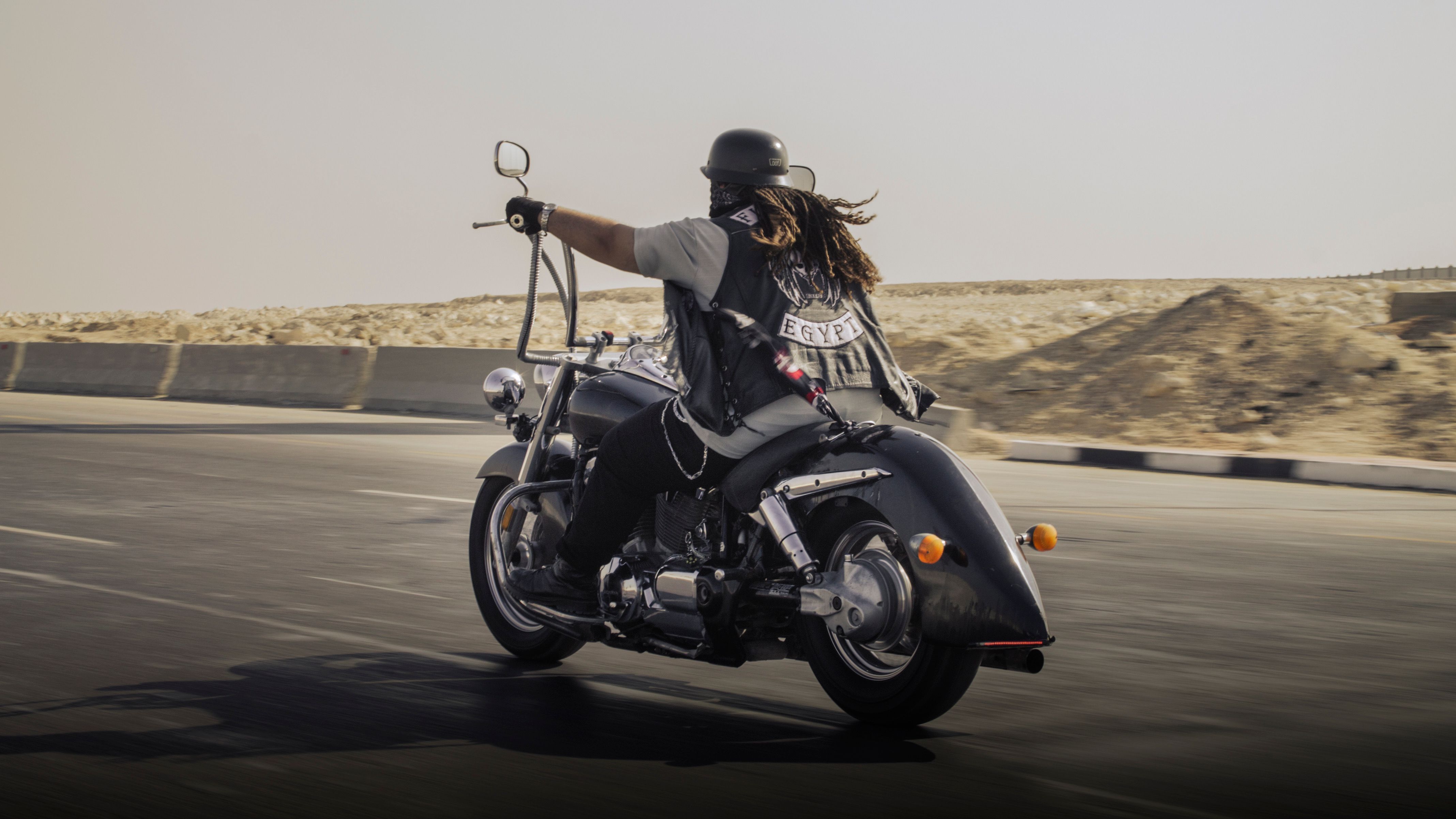
It isn’t blocking air; it’s redirecting it. A screen sheds a shear layer off its top edge, and where that layer lands decides everything. In wind-tunnel work at the University of Minnesota, the tallest screen position caused minimal vortex impingement on the helmet; a low screen dropped the turbulent layer straight onto the rider’s head. Counterintuitively, no screen at all can buffet less than a badly sized one, because the helmet sits in clean free stream instead of churning wake.
I’d argue that’s the most misunderstood point in the whole accessory aisle: a screen at the wrong height is worse than no screen. Quality is geometry matched to your body, not raw size.
The noise you don’t notice until it’s done damage
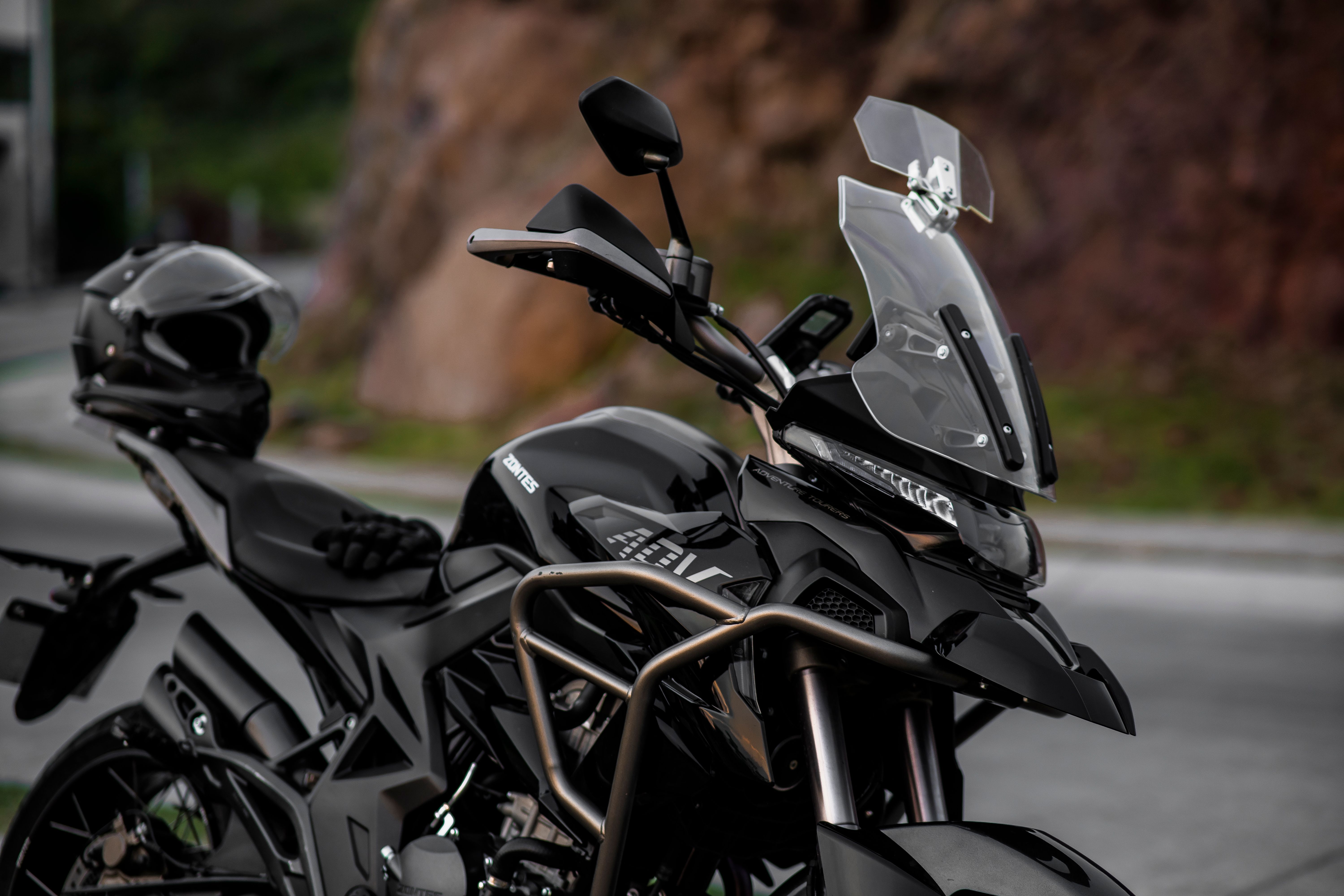
Noise is the invisible cost. Southampton wind-tunnel research measured 90–109 dB(A) at the rider’s ear, and above roughly 60–70 km/h airflow noise overtakes the engine as the dominant source, according to Lower, Hurst and Thomas’s helmet-noise measurements. At 100 km/h, most helmets sit beyond 100 dB(A). Screen height doesn’t just change volume; it moves the turbulence from your neck to your visor. That’s why the same helmet can be the quietest behind a low screen and the noisiest behind a tall one.
Taller isn’t automatically better
Marketing tells you to buy the biggest screen you can find. The simulations disagree. CFD work on the Honda CB500X found the OEM screen produced the lowest drag, while aftermarket screens deflected airflow off the rider more effectively at the cost of extra drag, as the 2024 Universiti Tun Hussein Onn study reported. A 2026 simulation reached a similar split: lower screens cut drag, taller ones cut pressure on the rider. You are choosing which problem to solve.
| Screen setup | What it buys | What it costs |
|---|---|---|
| Tall | Less head buffeting, less pressure on your chest | More drag; you look through it, not over it |
| Short | Lower drag | Shear layer lands on your helmet |
| None | No added turbulence | Full wind blast, rain, and debris |
Rain and bugs: the two things a visor won’t stop
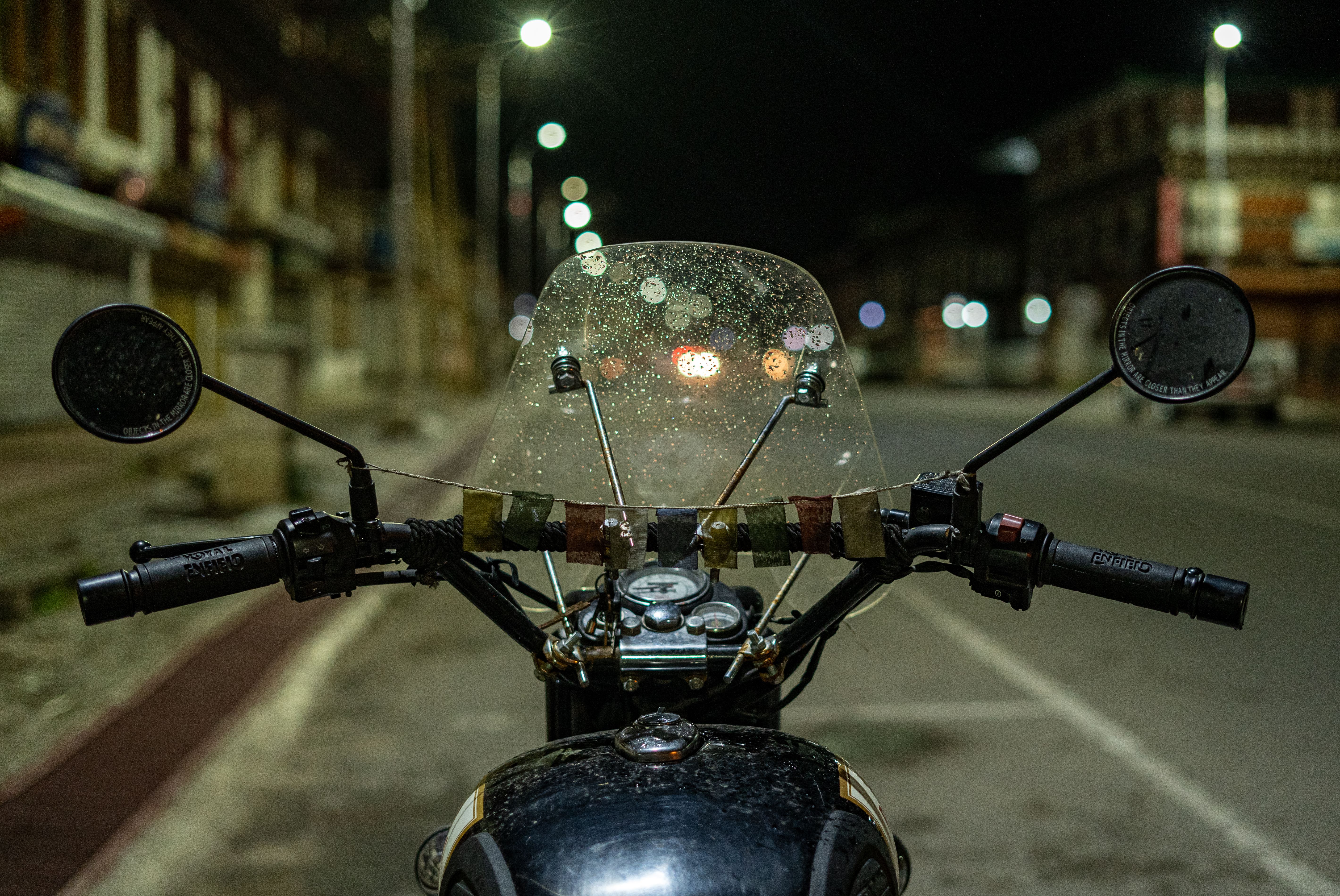
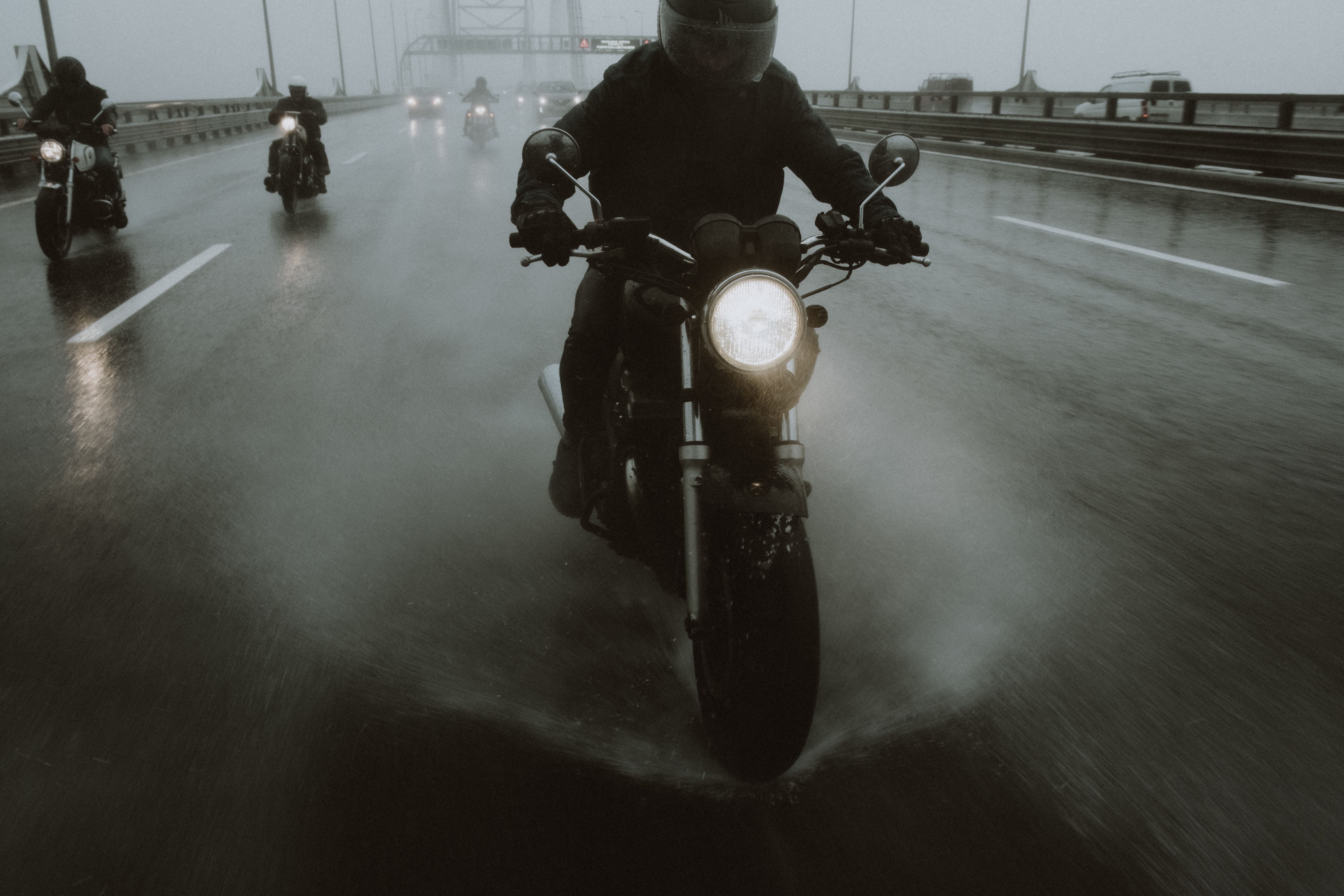
A Texas study covering 2006–2021 found precipitation raised crash risk by an average of 38%, and by 36–52% at the highest intensities, per the published Texas rainfall crash analysis. Wet tarmac is half the danger; water on your visor and chest is the rest. Bugs are the other half-secret hazard. A 2022 peer-reviewed case series documented four motorcyclists with insect setae embedded in the cornea and anterior chamber after riding without a visor-a preventable injury, not a freak one.
What quality actually means
Not thickness. Material and coating. Polycarbonate is roughly 200 times stronger than glass and shrugs off rock strikes that shatter acrylic, but it scratches easily; hard-coated polycarbonate buys back the scratch resistance. My read: a hard-coated screen tuned to your seated eye line beats a bigger uncoated one every time.
The right windshield isn’t the tallest or the cheapest. It’s the one whose wake passes over your helmet, keeping rain and bugs off your face while you keep your wits. Measure your eye line, buy the coating, and stop paying the wind tax.
How this article was put together. I based the physics on published wind-tunnel and CFD work-the University of Minnesota buffeting study, Southampton’s helmet-noise measurements, and the 2024 Honda CB500X simulation-and the rain figure on a 2025 Texas crash study covering 2006–2021. I did not test screens myself, and simulation-based numbers are noted as such.