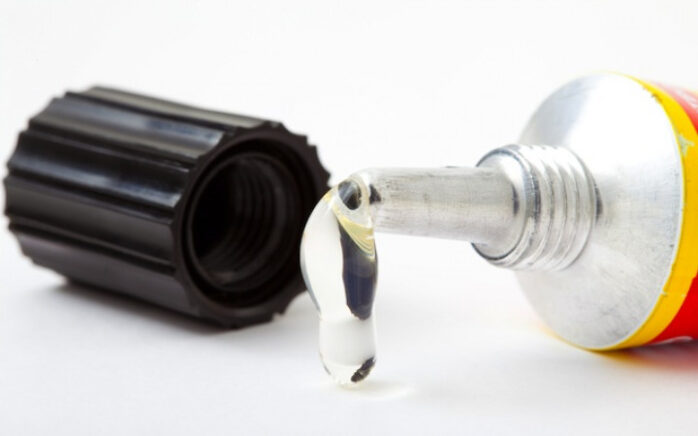
Super glue, a household name in the world of adhesives, is renowned for its strong bonding capabilities and quick-drying nature.
Originally developed for medical use in the 1940s, it has since found its way into virtually every toolbox and junk drawer.
Despite its widespread popularity, super glue is not without its flaws.
This detailed exploration will delve into the strengths and limitations of super gel, offering insights into its best uses and situations where it might be wise to opt for a different adhesive.
Strong Bonds in Seconds
One of the most celebrated attributes of super glue is its ability to create strong bonds quickly. Composed mainly of cyanoacrylate, super glue begins to cure as soon as it’s exposed to moisture in the air, making it an incredibly fast-acting adhesive.
This feature is particularly useful in situations where time is of the essence, such as in quick repairs during a project or when a rapid fix is needed for a broken item.
Versatility Across Materials
Super glue is not just fast; it’s also versatile. It can bond a variety of materials including plastics, metals, ceramics, and rubber, making it a go-to solution for many different types of repairs.
Whether you’re mending a ceramic vase, fixing a plastic toy, or sealing a punctured rubber hose, super gel is often a reliable choice. This versatility makes it a staple in both household and industrial settings.
Precision in Application
Thanks to its viscosity, super gel allows for precise application. Many brands offer applicators designed to release just a small amount of glue at a time, providing control and minimizing waste.
This precision is particularly beneficial when working with intricate parts, such as assembling models or repairing delicate jewelry, where a larger adhesive applicator would be cumbersome and imprecise.
The Dark Side: Brittleness and Toxicity
Despite its strengths, super gel does have significant drawbacks. The bond it creates, while strong, is also rigid and can be brittle. This brittleness means that super gel is not suitable for items that undergo frequent stress or flexing.
For example, a handle glued onto a tool might easily snap off again under normal use because the rigid bond created by super glue cannot withstand bending or twisting forces.
Additionally, super gel can be hazardous to your health. The fumes released during application are irritating to the eyes, respiratory system, and skin.
In enclosed spaces, these fumes can become overwhelming, and prolonged exposure might lead to more serious health issues. Safety precautions, such as working in a well-ventilated area and wearing gloves, are strongly recommended.
Limitations with Porous Materials
Super glue’s effectiveness diminishes when used on porous materials such as wood or fabric.
These materials absorb the glue, weakening the bond and often requiring a large amount of glue to achieve even a minimal bond. Moreover, super glue can leave unsightly stains on fabrics, making it less than ideal for repairs on visible areas of clothing or upholstery.
Poor Temperature and Water Resistance
The performance of super glue is also compromised under certain environmental conditions. High temperatures can cause the bond to weaken, while low temperatures can cause it to become too brittle and crack.
Similarly, super glue is not water-resistant, which limits its use in outdoor applications or in areas that are frequently exposed to moisture, such as bathrooms and kitchens.
Environmental Concerns and Safety Measures
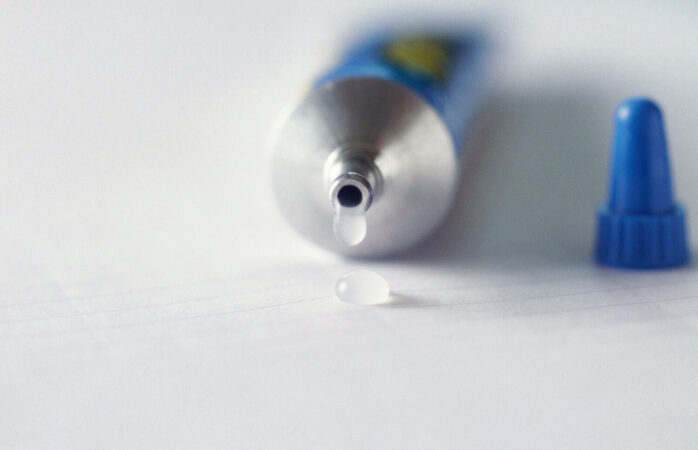
In addition to the direct limitations of super gel related to performance, there are broader environmental and safety concerns to consider.
The chemicals in super glue, while effective for bonding, can be harmful to the environment if not disposed of properly.
Empty containers of super glue can retain residual chemicals that might leak and contaminate the environment. It’s important to follow proper disposal methods, as outlined by local regulations, to mitigate this impact.
Furthermore, the risk of accidental bonding, such as fingers sticking together or to other objects, is significantly high with super gel.
This can lead to painful situations and, in severe cases, a visit to the emergency room. Awareness and careful handling are essential when using super glue to prevent such accidents.
Keeping a bottle of acetone or nail polish remover handy can be a lifesaver for dissolving unwanted bonds quickly.
Longevity and Storage
Super glue’s shelf life and storage requirements are additional factors to consider. Once a bottle is opened, the glue can harden inside the container, rendering any remaining product unusable.
This can be frustrating and wasteful, especially if only a small amount was used. Storing super glue in a cool, dry place and minimizing air exposure by tightly sealing the cap can extend its usability.
Some users recommend storing super gel in a refrigerator to prolong its shelf life, although this is subject to debate and depends on the specific product recommendations.
Ethical Considerations in Use
There’s an ethical dimension to using super glue, particularly in contexts where a more durable and less hazardous alternative exists.
Opting for quick fixes with super glue rather than more sustainable methods can sometimes reflect a throwaway culture that prioritizes convenience over longevity.
As consumers become more environmentally conscious, the choice of adhesives can also reflect a commitment to sustainability.
Opting for adhesives that are less harmful to the environment and safer for personal use can contribute to more sustainable living practices.
When Super Glue Shines
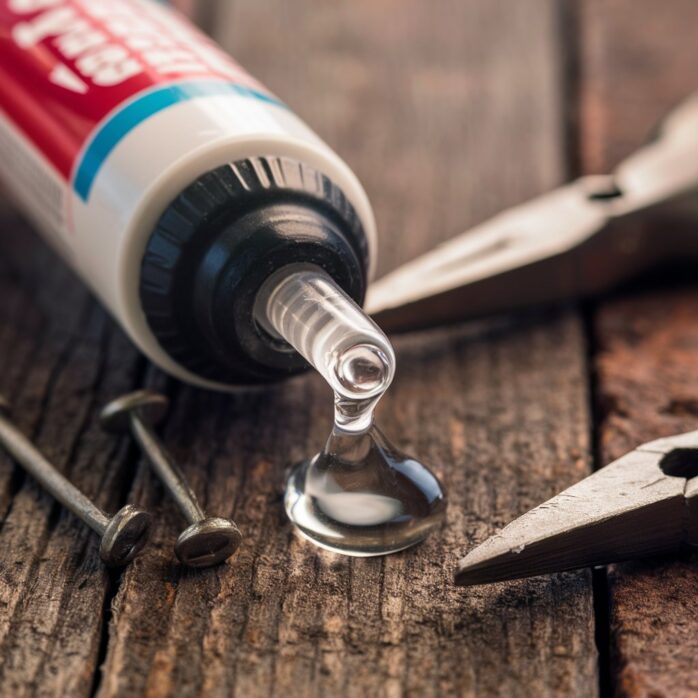
Despite these challenges, there are situations where super gel is unequivocally the best choice. For example, in emergency repairs where time is of the essence or where other adhesives might fail to cure quickly enough, super glue can provide a rapid solution.
In medical applications, super glue derivatives are still used for closing wounds in place of stitches, underscoring its utility in precise and critical applications.
Balancing Acts: Choosing Wisely
Ultimately, the use of super gel represents a balancing act between convenience, safety, performance, and environmental impact.
Knowing when and where to use it—and when to opt for alternatives—is key to making the most out of this powerful adhesive.
By respecting its strengths and acknowledging its limitations, users can effectively integrate super glue into their maintenance routines without undue risk.
In conclusion, super glue remains a fascinating and useful tool in both household and industrial contexts.
Its capabilities and drawbacks provide important lessons in the broader discourse on material sciences and consumer choices.
Whether securing a loose screw or patching a broken vase, understanding the full spectrum of super glue’s properties ensures that it can be used safely and effectively, maximizing its benefits while minimizing potential problems.