Navigating Singapore’s property market as a first-time buyer can feel overwhelming. With varying property types, regulations, and financial considerations, there is a lot to take in. Understanding key aspects of the buying process will help you make informed decisions, stay within your budget, and avoid common pitfalls.
This guide will break down everything you need to know, from types of properties available to financing and legal requirements, so you can confidently approach your first property purchase.
Table of Contents
- Overview of Singapore’s Property Market
- Types of Properties Available
- Key Financial Considerations
- Choosing the Right Location
- Navigating Property Regulations
- Steps for Buying Your First Property
- Conclusion
Overview of Singapore’s Property Market
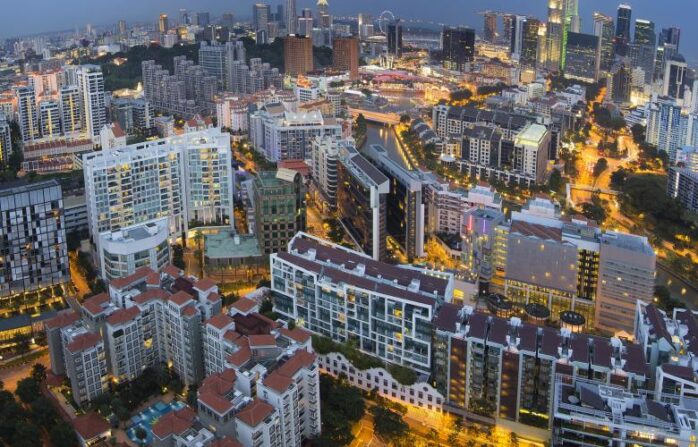
Singapore’s property market can be quite complex for first-time buyers. However, it is possible to approach it confidently with proper preparation. Prices can vary widely, so it is crucial to begin with a clear understanding of your financial capacity.
To make a smart choice, spend time researching potential neighborhoods and property types. Online portals can provide valuable insight into prices and trends.
An example of a well-located condominium is Parktown Residence. It offers a range of amenities and is situated in a strategic location, ideal for many first-time buyers.
Types of Properties Available
Singapore offers several types of housing options. The most common types include public housing from the Housing Development Board (HDB) and private properties. HDB flats are the most affordable option, while private condominiums and landed properties tend to come with higher price tags. Private properties also offer more privacy and exclusive facilities like gyms and swimming pools.
You may want to look at executive condominiums. These are a hybrid between HDB flats and private condos. They are often priced lower than fully private developments, especially when newly launched. After a five-year minimum occupancy period, executive condominiums can be sold on the open market.
Key Financial Considerations
Before buying property, a clear financial plan is essential. Start by assessing your monthly income and calculating how much you can afford for monthly mortgage payments.
Banks in Singapore generally offer loans covering up to 75% of the property’s value for private properties, but HDB flats have different loan conditions.
You will also need to set aside funds for the down payment, which ranges from 5% to 25% of the property’s value depending on the loan type.
Don’t forget to include other costs in your budget. Buyers should plan for stamp duties, legal fees, and home insurance. Stamp duty is a tax levied on all property transactions in Singapore. For first-time buyers, this typically amounts to 3% of the purchase price.
Choosing the Right Location

Location plays a major role when deciding on your first home. Prioritize areas that offer easy access to schools, workplaces, shopping malls, and healthcare facilities. Proximity to transportation hubs like MRT stations and bus stops can make commuting more convenient. For example, developments near MRT lines often experience higher demand due to their ease of access.
If you value living close to greenery or parks, look at neighborhoods like Bukit Timah or Queenstown. Those interested in modern urban life may prefer places like Tanjong Pagar or Marina Bay, where commercial and entertainment hubs are close.
For those who prioritize healthcare facilities, ensure that the area has reputable hospitals nearby. Healthcare access is an important factor, especially if you plan to live in your new home long-term.
Navigating Property Regulations
Property regulations in Singapore are strict, and they aim to keep the market stable. First-time buyers need to familiarize themselves with these rules before making any decisions. For example, foreigners can purchase private properties but are restricted from buying HDB flats unless they are permanent residents.
A key regulation to be aware of is the Total Debt Servicing Ratio (TDSR), which limits how much of your income can go towards debt repayment. This ensures that borrowers do not overextend themselves. Lenders will use the TDSR to determine your loan eligibility.
Steps for Buying Your First Property
The first step in buying property involves securing an Approval in Principle (AIP) from a bank. This document outlines the maximum loan you can obtain based on your income and financial obligations. Having an AIP helps narrow down your search, ensuring that you focus on properties within your budget.
Next, start viewing properties that align with your preferences. Attend open houses and showrooms. Ask about maintenance fees, property management, and potential future developments in the area that may affect property value.
Once you find a property, make an offer and negotiate the price if possible. After the seller accepts your offer, both parties will sign the Option to Purchase (OTP). A small deposit, typically 1% of the purchase price, is paid to secure the OTP.
Conclusion
Buying property for the first time requires thoughtful planning and an understanding of the market. It is important to stay informed and seek professional advice when necessary.
Prioritize financial considerations and choose a location that fits your lifestyle. Make sure that your budget accounts for additional costs like stamp duties and legal fees.
Navigating regulations can seem daunting, but with the right preparation, first-time buyers can find great opportunities in the Singapore market.