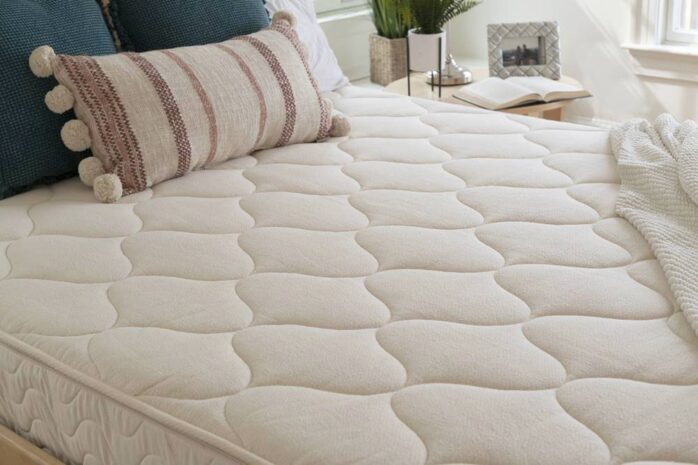
Choosing the right mattress is a significant decision, one that affects not only your sleep but also your overall well-being. Among the vast array of mattress options available, the debate between organic natural and synthetic mattresses often takes center stage. But what exactly sets these two types apart, and why should you consider one over the other?
The Essence of Organic Natural Mattresses
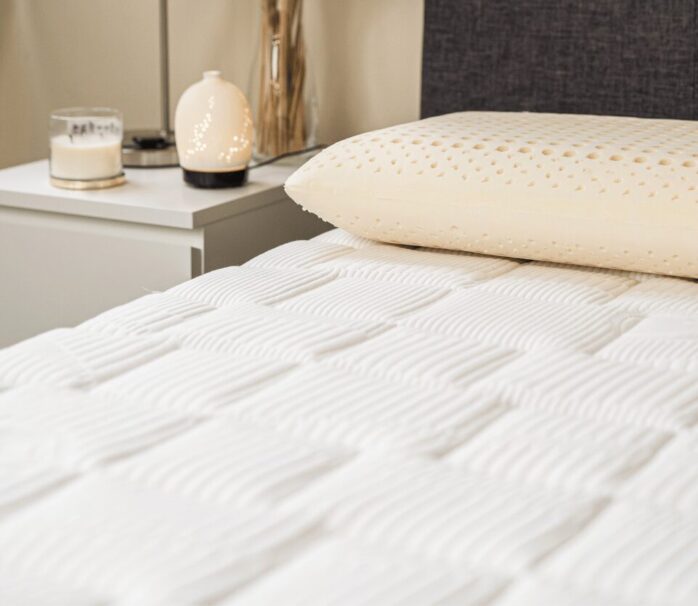
When we talk about an organic natural mattress, we’re referring to a mattress made from materials that are derived directly from nature. These materials are typically free from synthetic chemicals, pesticides, and other potentially harmful substances. For those who prioritize environmental sustainability and natural living, an organic natural mattress is an appealing choice.
Organic natural mattresses are often constructed using materials like organic cotton, natural latex, and wool. These materials not only offer a safe and chemical-free sleep environment but also bring a host of other benefits.
For instance, natural latex is known for its durability and comfort, providing a responsive surface that conforms to your body’s contours.
Wool is naturally fire-resistant and moisture-wicking, making it an excellent choice for regulating temperature and ensuring a comfortable night’s sleep.
Understanding Synthetic Mattresses
In contrast, synthetic mattresses are made from man-made materials, including polyurethane foam, memory foam, and synthetic latex.
These materials are created through chemical processes that often involve the use of petroleum-based products. While synthetic mattresses may not appeal to those seeking a natural or eco-friendly option, they do offer their own set of advantages.
One of the primary benefits of synthetic mattresses is their ability to provide consistent support and comfort.
Memory foam, for example, is renowned for its pressure-relieving properties, making it a popular choice for those who suffer from joint or back pain. Additionally, synthetic mattresses are often more affordable than their organic counterparts, making them accessible to a wider range of consumers.
Comfort and Support: A Comparison
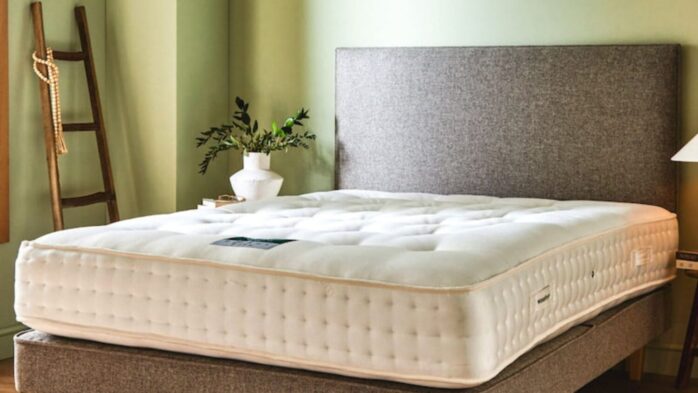
When it comes to comfort and support, both organic natural and synthetic mattresses have their strengths. An organic natural mattress, particularly those made with natural latex, offers a responsive and buoyant surface that gently cradles the body. This type of support can be beneficial for maintaining proper spinal alignment and reducing pressure points, leading to a more restful sleep.
On the other hand, synthetic mattresses, especially those made with memory foam, are known for their ability to conform closely to the body.
This contouring effect provides targeted support, which can help alleviate pain and improve sleep quality for those with specific sleep concerns. However, some people may find that memory foam’s tendency to retain heat makes it less comfortable in warmer climates.
Breathability and Temperature Regulation
One of the key differences between organic natural and synthetic mattresses lies in their breathability and temperature regulation. Organic natural mattresses, made from materials like wool and cotton, are highly breathable and capable of wicking away moisture. This natural breathability helps regulate body temperature, ensuring a cool and comfortable sleep environment throughout the night.
Synthetic mattresses, particularly those made from memory foam, can sometimes struggle with breathability. Memory foam has a reputation for trapping heat, which can lead to an uncomfortable sleep experience for those who tend to sleep hot. However, many modern synthetic mattresses now incorporate cooling technologies, such as gel-infused foam or breathable covers, to address this issue.
Durability and Longevity

Durability is another crucial factor to consider when choosing between an organic natural mattress and a synthetic one. Organic natural mattresses, especially those made from high-quality natural latex, are known for their longevity. Natural latex is resilient and resistant to sagging, meaning that an organic natural mattress can last for many years without losing its supportive qualities.
Synthetic mattresses vary in durability depending on the materials used. While memory foam mattresses are generally durable, they can be prone to developing body impressions over time. However, advances in synthetic materials have led to the creation of more durable options, with some memory foam mattresses now offering warranties of up to 10 years or more.
Health and Environmental Impact
For those concerned about health and environmental impact, the choice between an organic natural mattress and a synthetic one is particularly significant.
Organic natural mattresses are free from harmful chemicals and toxins, making them a safer option for those with allergies, sensitivities, or respiratory issues. The use of organic and sustainably sourced materials also means that these mattresses have a lower environmental footprint.
Synthetic mattresses, while often treated with flame retardants and other chemicals, have improved in recent years with the introduction of low-VOC (volatile organic compound) options. However, they still generally have a larger environmental impact due to the use of petroleum-based products and the energy-intensive manufacturing processes involved.
Cost Considerations
Cost is often a deciding factor when choosing between an organic natural mattress and a synthetic one.
Organic natural mattresses tend to be more expensive due to the higher cost of raw materials and the labor-intensive processes involved in their production.
However, many consumers are willing to pay a premium for the peace of mind that comes with knowing they are sleeping on a safe, chemical-free mattress.
Synthetic mattresses are typically more budget-friendly, making them accessible to a broader range of consumers.
While they may not offer the same level of eco-friendliness as organic natural mattresses, they do provide a comfortable and supportive sleep surface at a lower price point. For those on a tight budget, a synthetic mattress may be the more practical choice.
Making the Right Choice
When deciding between an organic natural mattress and a synthetic one, it ultimately comes down to your personal priorities and preferences.
If you value natural materials, sustainability, and a chemical-free sleep environment, an organic natural mattress is likely the better choice for you.
However, if you’re looking for a mattress that offers consistent support, advanced comfort features, and affordability, a synthetic mattress might be more aligned with your needs.
Both types of mattresses have their own unique advantages and potential drawbacks. Understanding these differences can help you make an informed decision that aligns with your sleep needs, health considerations, and budget.
Whether you choose an organic natural mattress or a synthetic one, the most important thing is to select a mattress that supports your health and provides the comfort you need for a restful night’s sleep.