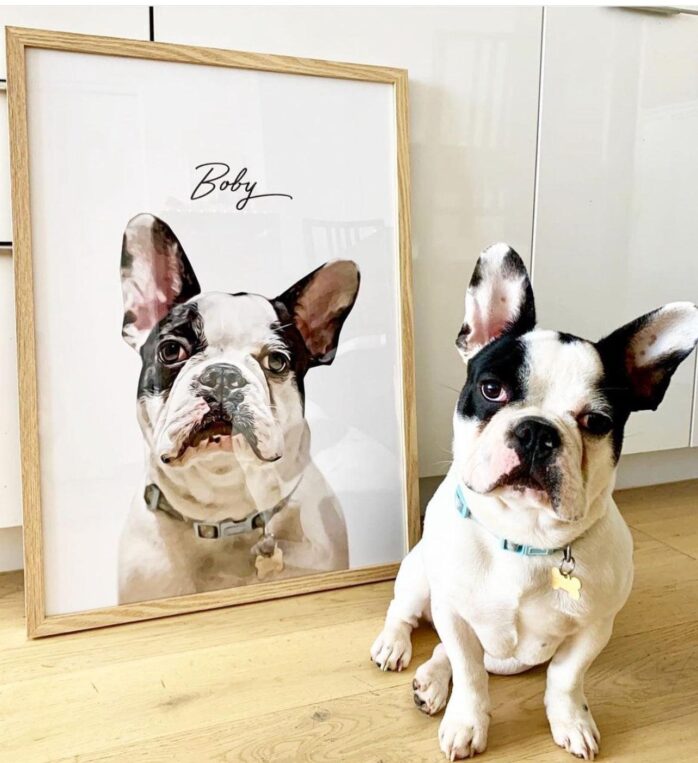
There’s something strangely magical about capturing your pet’s personality in a portrait—especially when you’ve created it with your own two hands.
Whether your dog thinks he’s royalty, your cat believes she owns the house (she does), or your rabbit has a secret life as a supermodel, a custom DIY pet portrait is one of the most fun and heartfelt projects you can tackle at home.
This isn’t about painting like Da Vinci or photographing like Annie Leibovitz. It’s about celebrating your furry (or scaly, or feathered) companion in a way that feels uniquely you.
With a little creativity, some guidance, and a splash of humor, you’ll be well on your way to crafting something frame-worthy—even if your subject keeps running off with your art supplies.
Key Highlights for Beginners
- No advanced art skills required—just love and a little patience
- Explore styles like sketching, painting, digital art, or collage
- Learn how to get the perfect pose without bribing with too many treats
- Tips for lighting, materials, and keeping your pet still(ish)
- Step-by-step instructions for different creative styles
Start with the Personality, Not the Pose
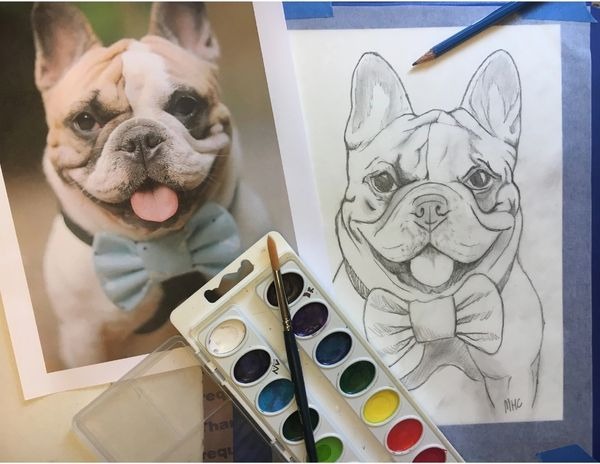
Before you even pick up a pencil, think about your pet’s vibe. Is your cat majestic and aloof, or a chaos goblin who knocks over water glasses for sport?
Is your dog the dignified type—or a sofa-surfing goofball who thinks he’s a lap dog? Your portrait will feel more “true” if it captures your pet’s energy rather than just their face.
A good pet portrait isn’t about photorealism—it’s about character. You want to look at it and think, Yep, that’s my guy.
💡 Scroll through your phone gallery and find 3–5 photos where your pet’s “soul” seems to shine through. These will be your base references.
Choose Your Style: Artistic Mediums You’ll Actually Enjoy
Even if you’re new to this, you have tons of creative options. You don’t have to commit to one approach forever—try a few and see what clicks.
Here are some of the most beginner-friendly DIY styles:
- Pencil Sketching – Great for black-and-white charm and learning proportions
- Watercolor Painting – Soft, flowing, and perfect for dreamy pet portraits
- Acrylic on Canvas – Bolder and more colorful, forgiving for beginners
- Digital Illustration – No mess, endless undo buttons
- Collage or Mixed Media – Especially fun with textured paper or old magazines
- Photo Editing or Stylized Filters – Modern, fast, and surprisingly cool-looking
If you’re unsure which one suits you, visit Furmino’s gallery of DIY pet portraits to see real-life examples made by other animal lovers. You’ll quickly get a sense of what feels doable and exciting.
Getting the Perfect Reference Photo
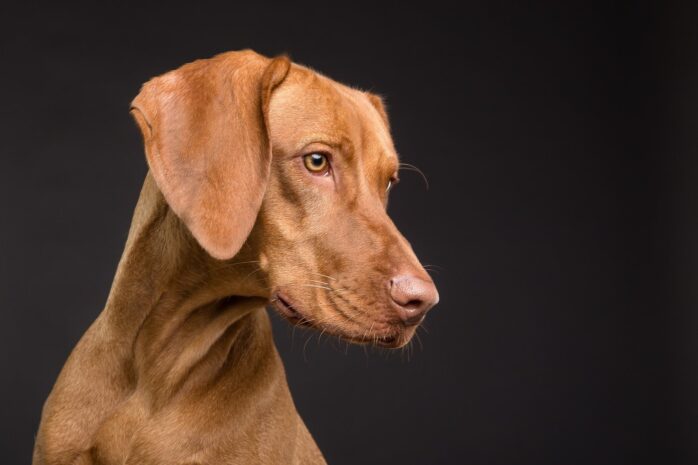
Let’s face it—pets aren’t great at sitting still. But the right photo makes all the difference. The better your reference, the easier your portrait will be.
Tips to capture the right shot:
- Use natural light. Morning or golden hour is ideal—avoid flash, which can flatten fur texture and startle your pet.
- Shoot at eye level. Don’t tower over them unless you’re going for a specific angle.
- Get help. Ask someone to wrangle treats or squeaky toys just out of frame while you snap away.
- Take a lot. You’re looking for that one magical moment—usually among 40 blurry ones.
Once you have a few contenders, zoom in. Can you clearly see the eyes? Do the ears reflect your pet’s usual pose? That’s the winner.
Layout and Sketching: Build the Bones First
Now that you have your reference, it’s time to sketch the basic shape. Don’t overthink this. You’re not carving a statue—you’re just laying down the rough guide.
Start with simple shapes:
- A circle for the head
- Ovals for the eyes and ears
- A triangle for the nose
- Loose outline for the body posture
Once these are in place, gently sketch in more details—fur direction, expression, shadows. If you’re painting, this light pencil sketch acts as your blueprint. If you’re doing digital art, use layers to keep it neat and editable.
Tip: Use a lightbox or even tape your photo and paper to a sunny window if you want to trace the general shape—there’s no shame in using tools!
Color and Texture: Bring It to Life
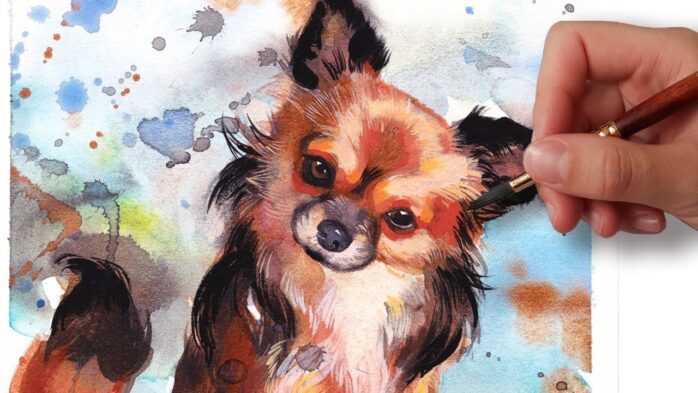
This is where the fun begins—adding color, depth, and a bit of drama.
If painting:
- Fur isn’t one flat color. Look closely—there are often 3–5 tones in each area.
- Use thin layers. Especially with watercolor, build color slowly to avoid blotches.
- Don’t outline everything. Let soft edges breathe and use contrast to define shape instead.
If digital:
- Experiment with paint brush that mimic fur or pencil textures
- Use separate layers for eyes, background, and fur—it’s easier to adjust if needed
Eyes are where the soul lives. Spend a little extra time here. Add a tiny white reflection to give life and sparkle. Even a cartoon-style pet portrait becomes 10x more “alive” with good eye details.
Backgrounds and Final Touches: Frame the Vibe
The background shouldn’t overshadow your pet. But it can enhance their story.
Options to consider:
- Solid neutral color – Makes your pet the hero of the frame
- Soft gradient or texture – Adds depth without chaos
- A fun prop or pattern – Like pawprints, a favorite toy, or floral accents for a regal look
Don’t forget to sign your work! Even if it’s digital, a small signature in the corner makes it feel official.
Display It Like a Pro (Even If You’re Not One)
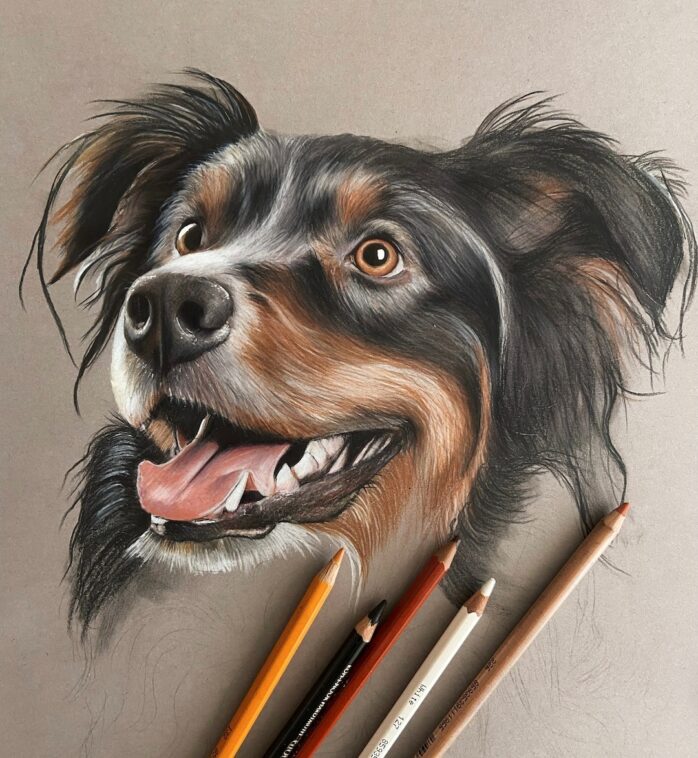
After all the work you’ve put in, give your portrait the spotlight it deserves.
- Frame it. Choose a color that complements your pet or the room it’ll hang in.
- Hang it low-ish. Eye level means your eye level, not gallery height—especially if it’s meant to be cozy and personal.
- Make it part of a pet corner. Frame your portrait alongside their collar, paw print, or favorite quote.
“Eat. Sleep. Zoomies. Repeat.” — a solid contender.
Your Pet Doesn’t Care—But You’ll Love It
Let’s be real—your cat is more interested in sitting on your art than admiring it. Your dog might try to eat the paintbrush. But that’s part of the fun. You’re not just making a portrait; you’re creating a memory, an homage, a little shrine to the creature who fills your days with unconditional love (and fur).
So grab your tools, find a good patch of light, and start creating something unforgettable. Your pet might not understand what you’re doing—but someday, someone will look at that portrait and smile, because it feels like them.