Photography is a fascinating blend of science and art, where every click of the shutter encapsulates a moment in time. But behind each stunning image lies a sequence of thoughtful decisions governed by essential photography rules. If you’re looking to elevate your photography skills, mastering these rules is crucial.
This article will delve into proven techniques designed to not only improve your photography skills but also transform mundane snapshots into visual narratives. You’ll discover how understanding the rules of composition and employing various photography techniques can unleash your creative potential, enabling you to view the world through an entirely new lens.
Understanding Composition in Photography
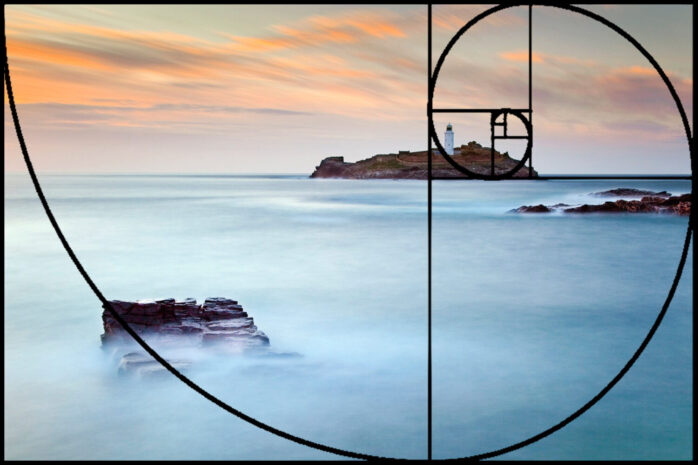
Mastering composition in photography is essential for creating visually engaging images. It involves the arrangement of elements in a frame to capture attention and evoke emotion. The arrangement can significantly enhance your photography techniques and influence how viewers perceive your work.
What is Composition in Photography?
Composition in photography refers to the deliberate placement of visual elements within a shot. This includes the subject, background, and any other components that contribute to the overall image. A well-composed photograph communicates a story or message, guiding the viewer’s eye where it matters most.
Why is Composition So Important in Photography?
Effective composition is crucial for guiding viewers through the image and highlighting the main subject. Poorly composed shots can appear cluttered or unbalanced, detracting from your intended message. Good composition can transform an ordinary scene into a captivating narrative, emphasizing the emotional weight of the photograph.
The Elements of Good Composition
Understanding the elements of good composition is vital for enhancing your photography skills. Key aspects include:
- Balance ─ Achieving visual equilibrium by evenly distributing elements throughout the frame.
- Framing ─ Using elements within the scene to create a “frame” around the subject.
- Depth ─ Adding layers to your images to create a sense of three-dimensional space.
- Rule of thirds ─ Dividing the image into thirds to guide the placement of key elements.
- Color contrast ─ Utilizing contrasting colors to draw attention to important features.
By applying these elements of good composition, you can elevate your photography techniques and transform how viewers experience your work.
The Rules of Photography ─ How to Improve Your Shots with Proven Techniques

Many photographers seek to elevate their skills through various strategies, allowing for more compelling images. This section delves into several proven photography tips that can benefit both beginners and advanced photographers.
Simplification Techniques
Simplification is a crucial strategy in photography. By reducing distractions in your frame, you can emphasize the main subject effectively. Focus on decluttering the background, which allows the viewer’s attention to rest solely on what matters most.
Using the Rule of Thirds
The rule of thirds employs a grid system, dividing the image into nine equal parts. Positioning key elements along these lines or at their intersections creates a balanced, dynamic composition. This technique stands as a fundamental concept in any beginner photography guide.
Framing and Leading Lines
Framing involves using elements within the scene to enhance and direct attention towards your primary subject. For example, tree branches or architectural elements can be used to naturally frame your subject.
Similarly, leading lines guide the viewer’s eye throughout the photo. Whether it’s a path, a bridge, or a row of trees, these strategies improve overall engagement. To explore these concepts further, you can visit here for more insights and tips on enhancing your photography techniques.
Creating Depth through Layers

Incorporating layers in your composition adds depth, transforming flat images into engaging three-dimensional experiences. Include foreground, middle ground, and background elements to lead the viewer through your scene. This method contributes to advanced photography strategies that elevate your work.
The Role of Color and Contrast
Color and contrast greatly affect the mood and impact of an image. Utilizing vibrant colors can evoke emotions while contrasting shades can highlight your subject. Practicing these concepts enhances your visual storytelling, leading to more striking photographs.
Conclusion
Mastering the rules of photography, particularly composition techniques, significantly elevates your images from ordinary snapshots to striking works of art. As you strive to improve your photography skills, remember that this journey is ongoing, filled with constant learning and practice. By applying the concepts discussed—such as simplification, the rule of thirds, and grasping the role of color and contrast—you will notice substantial enhancements in your work.