Protecting a vehicle’s undercarriage helps slow rust, reduce wear, and maintain long-term structural strength.
Local specialists often deliver better results because they know regional road conditions, weather patterns, and common corrosion issues.
Careful selection of a nearby service helps ensure that materials, techniques, and equipment match what a vehicle actually needs.
The Undersealing Process
A reliable technician relies on a clear, organized method that helps coating materials grip properly and remain effective for an extended period.
Proper preparation and patience create the strongest foundation for long-term protection during an undersealing car service.
Raising the car
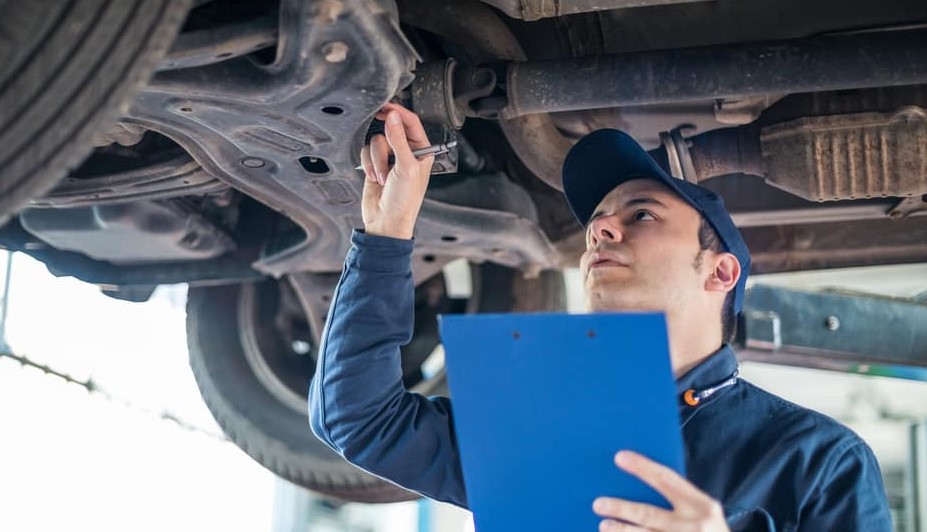
Lifts create space underneath so every surface can be reached without shortcuts.
Full elevation supports close inspection of metal components, hidden cavities, and spots that usually collect moisture or road salt.
Surface preparation
High-pressure washing strips away thick layers of mud, dust, and old residue.
Rusted patches often require wire brushing or sanding so loose flakes do not interfere with adhesion.
Clean metal surfaces allow fresh coating to perform at its best.
Degreasing the undercarriage
Oil, grease, and fluid residue block coating materials, so a technician applies strong degreasers and wipes everything down thoroughly.
A fully degreased surface ensures a bond that holds up under daily driving stress.
Masking sensitive areas
Brake components, moving parts, electrical connectors, and exhaust pieces must stay free of coating material.
Careful masking keeps all crucial systems untouched while still allowing full coverage across the rest of the underbody.
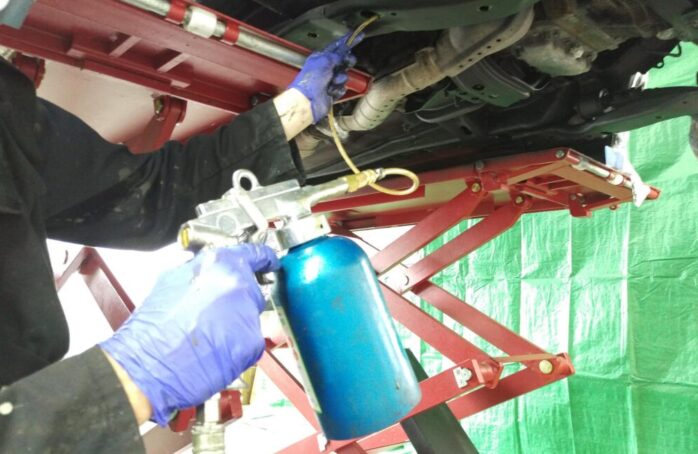
Applying underseal coating
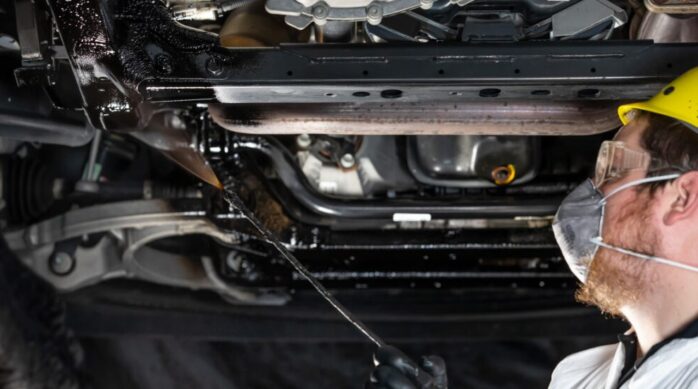
Coating is sprayed or brushed in even layers to prevent weak spots.
Skilled movement of the sprayer or brush helps create a smooth finish with consistent thickness across wheel wells, frame rails, and exposed panels.
Curing and drying
The coating must sit untouched until it hardens completely.
Drying time depends on temperature, humidity, and product type. Patience at this stage prevents cracks, bubbles, and uneven texture.
Inspection and final touch-ups
A final check confirms that the coating sits evenly and reaches all important sections.
Touch-ups are added where coverage looks light or where small gaps appear. A careful technician finishes only when everything looks sealed and smooth.
Types of Underseal Materials
Many products exist, each designed for a specific purpose and level of durability.
Asphalt-based coatings
Provide a thick protective layer suited for older vehicles. Usually applied when strong impact resistance is needed on rough roads.
Petroleum-based coatings
Offer solid moisture resistance and strong adhesion. Often chosen for vehicles exposed to frequent wet conditions.
Rubber-based coatings
Deliver flexible protection that absorbs vibration and minor impacts. Useful for drivers who want a quieter ride and added surface strength.
Synthetic coatings
Created to balance durability, flexibility, and rust control. Often used by professionals seeking consistent performance without excessive thickness.
Water-based eco-friendly coatings
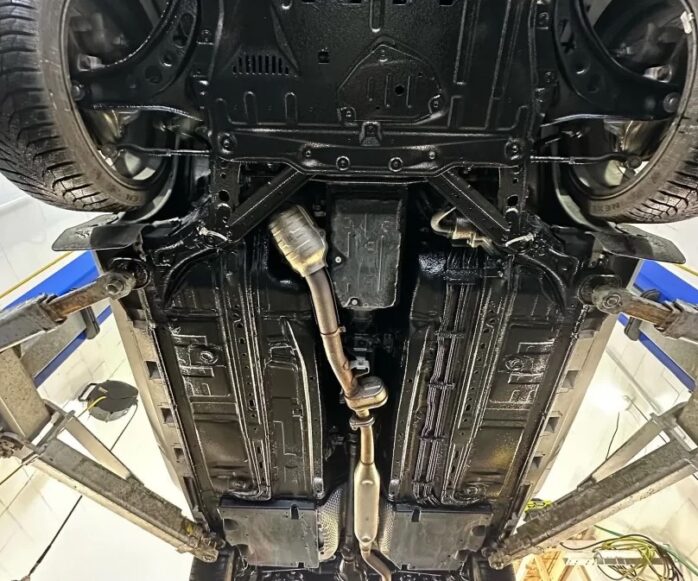
Chosen by drivers who prioritize low-odor and low-toxicity materials. Provide decent protection with quicker cleanup.
Wax-based coatings
Penetrate small gaps and crevices, creating a barrier that slows corrosion. Commonly applied to newer vehicles or vehicles needing detailed rust prevention.
Material choice influences longevity, resistance to road debris, and how many reapplications will be needed throughout the vehicle’s life.
Summary
Choosing a skilled local undersealing service increases the odds of strong protection, smooth application, and long-term durability.
Priority should go to high-quality materials, a methodical process, and technicians who take their time to achieve a clean, professional finish.