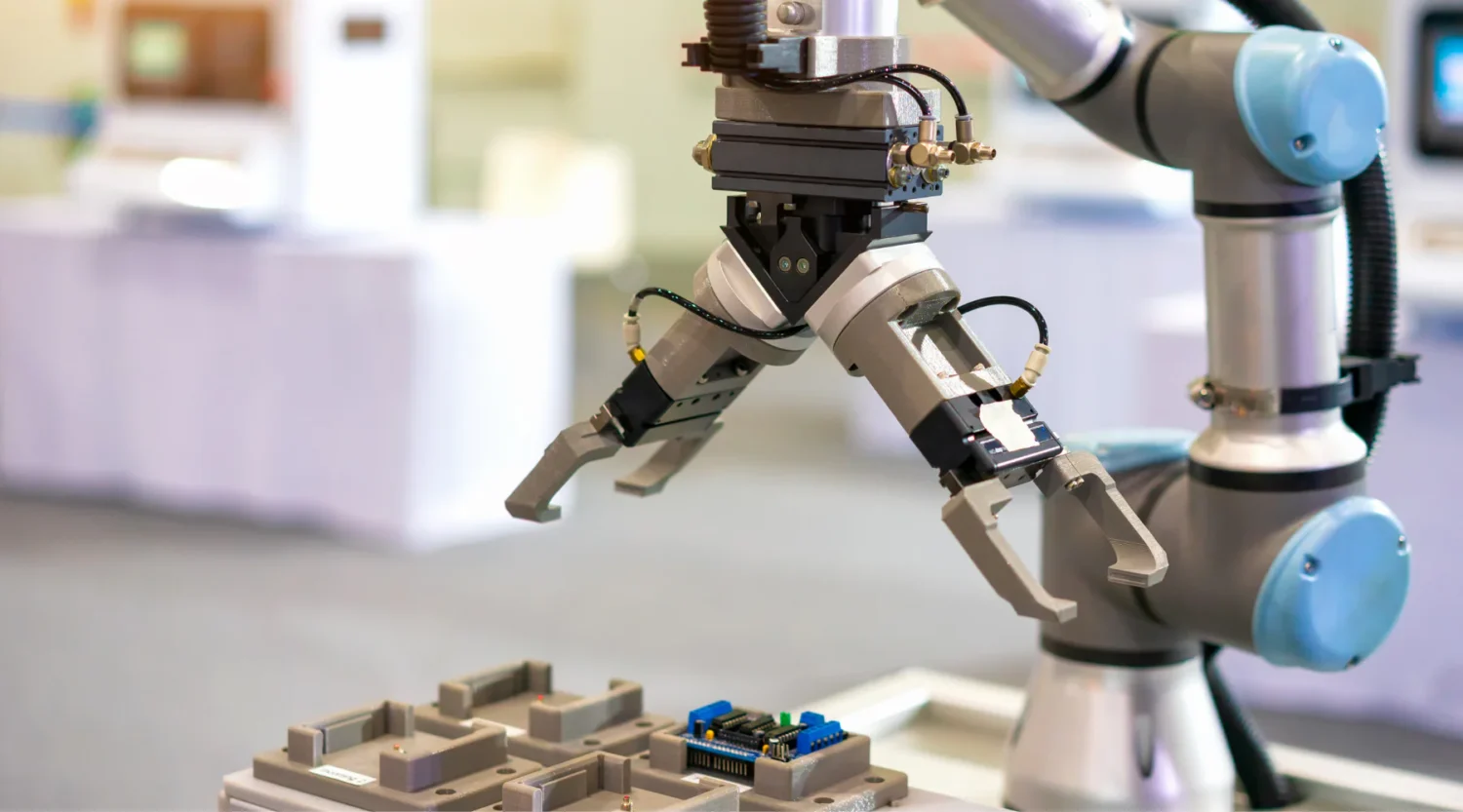
The evolution of robot grippers has transformed industries, allowing for greater precision, speed, and versatility in automation. In the past, robot grippers were relatively simple tools used primarily for basic pick-and-place tasks. However, as technology has advanced, so too have the capabilities of these grippers. Today, advanced robot grippers are integral in handling complex tasks across various industries, from manufacturing and medical robotics to logistics and agriculture.
Understanding Advanced Robot Grippers
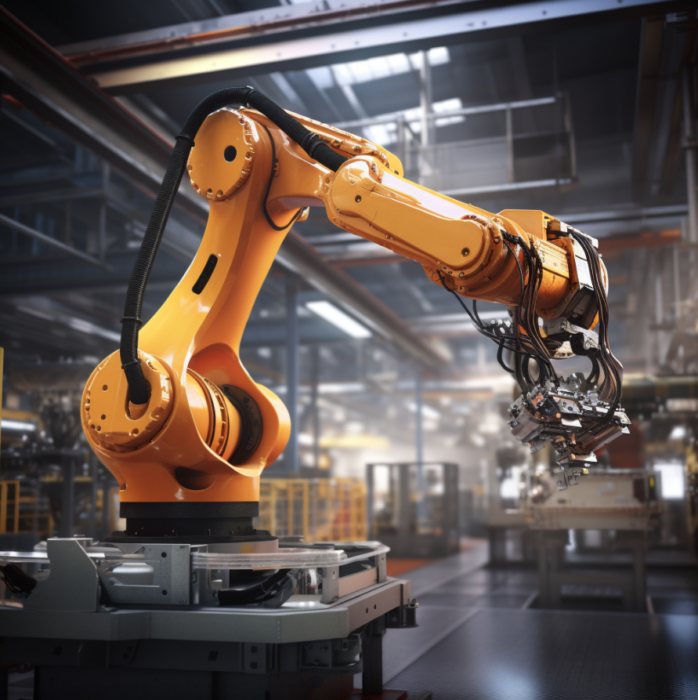
Advanced robot grippers are highly specialized devices designed to handle objects with precision, flexibility, and speed. They are integral components of robotic systems, enabling robots to perform tasks traditionally carried out by humans.
Types of Advanced Grippers
There are several types of advanced grippers, each designed for specific applications. The choice of gripper depends on the task requirements, including the nature of the object being handled, its weight, and its fragility.
Soft Grippers
Soft grippers are designed to handle delicate objects without damaging them. These grippers use flexible, soft materials that can conform to the shape of the object being handled. Commonly used in food handling or picking fragile components like electronics, soft grippers excel at tasks requiring gentle manipulation.
Multi-finger Grippers
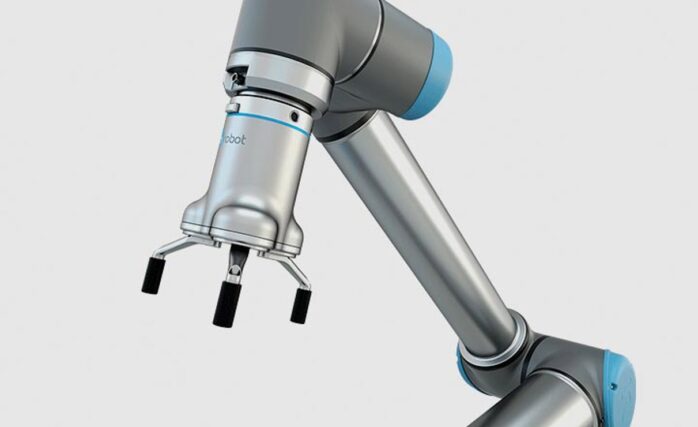
Modeled after the human hand, multi-finger grippers offer high dexterity. These grippers are ideal for tasks that require precise manipulation, such as assembling parts in intricate machinery or handling irregularly shaped objects. They are often used in industries like electronics assembly or advanced manufacturing.
Suction-based Grippers
Suction grippers rely on vacuum technology to create a strong hold on objects. These grippers are particularly useful in cleanroom environments or when handling smooth-surfaced objects. In industries like semiconductor manufacturing or packaging, suction-based grippers are an essential tool for precision handling.
Magnetic Grippers
Magnetic grippers are designed to handle ferromagnetic materials, making them invaluable in industries like automotive manufacturing, metalworking, and construction. These grippers can lift heavy objects with minimal energy consumption, offering both strength and efficiency.
Maximizing Efficiency in Complex Tasks
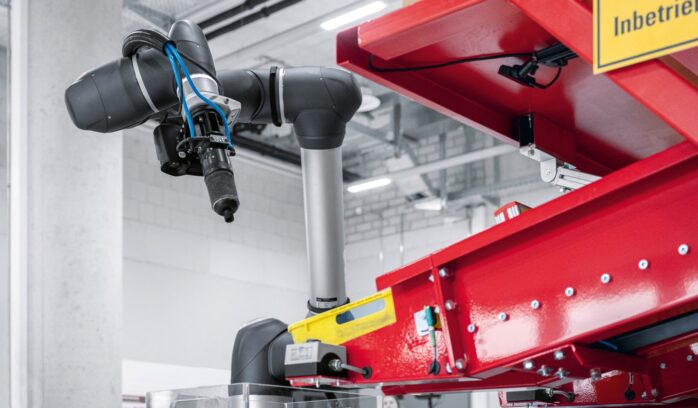
Advanced robot grippers play a crucial role in increasing efficiency, especially when it comes to handling complex and diverse tasks. Their ability to adapt to a wide range of objects, materials, and conditions sets them apart from their basic counterparts.
Task Complexity and Gripper Requirements
Handling complex tasks often involves dealing with irregularly shaped, fragile, or heavy objects, which requires a level of versatility that basic grippers simply cannot offer. Advanced grippers excel in these environments because they are designed to adapt to the unique demands of each task.
For instance, when handling delicate electronic components or organic materials, a soft gripper’s ability to conform to the shape of the object is invaluable. In contrast, when lifting heavy metal components, a magnetic gripper can provide the strength needed to safely transport the item without risk of damage.
The versatility of advanced grippers also reduces downtime and increases throughput. With their ability to quickly switch between tasks or adapt to changing requirements, they eliminate the need for multiple types of grippers or manual interventions.
Precision and Accuracy
One of the key advantages of advanced grippers is their precision. In industries like electronics assembly, where even a minor misalignment can result in defects, robot grippers with high levels of accuracy ensure that every task is performed correctly.
Advanced grippers achieve this precision through sophisticated feedback systems that allow the gripper to adjust in real time. This means that even when the object is slightly off-center or has an irregular shape, the gripper can compensate and reposition itself to ensure a precise grasp.
Additionally, advanced grippers are often integrated with AI-powered systems that learn from previous operations. This continuous learning process allows the gripper to further improve its precision over time, making it more reliable for high-stakes applications.
Speed and Productivity
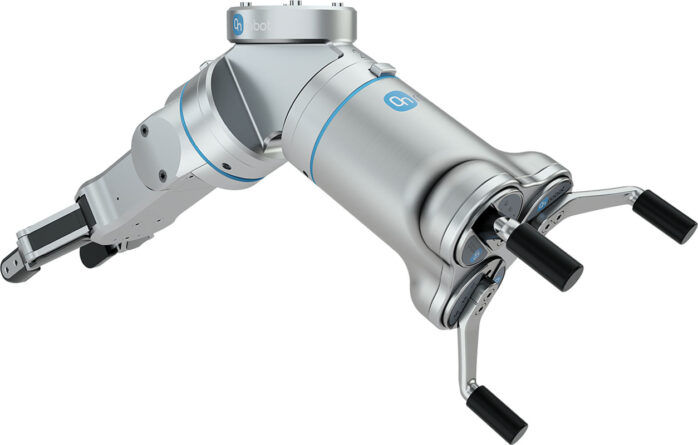
In fast-paced industries like manufacturing or logistics, speed is critical. Advanced robot grippers enable high-speed operations without sacrificing quality. They can handle tasks like picking, placing, sorting, and packaging at speeds far superior to those achievable by humans.
The use of real-time feedback mechanisms allows the gripper to quickly adapt to changing circumstances, such as the introduction of new objects or unexpected movements. This ensures that operations continue seamlessly, without slowdowns or mistakes.
Furthermore, the reduced need for human intervention contributes to higher productivity. With a robot gripper in place, tasks that would typically require human labor can be completed quickly and efficiently, freeing up human workers to focus on higher-level tasks.
Adaptive Gripping for Diverse Objects
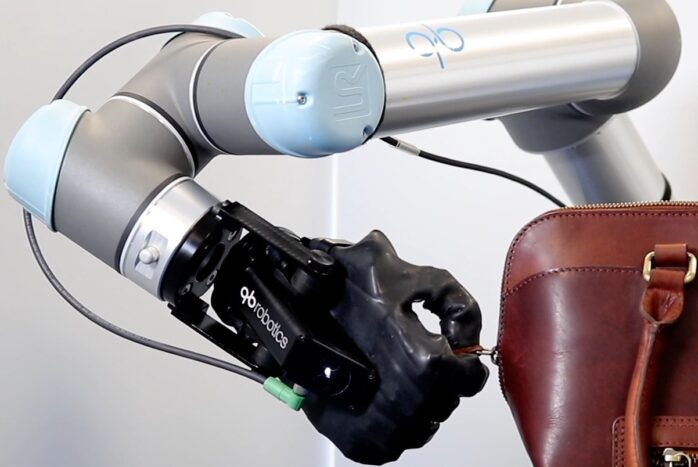
Advanced robot grippers are designed to handle a wide variety of objects, ranging from soft food items to rigid metal parts. This adaptability is crucial in industries where the types of objects handled vary constantly.
For example, in agriculture, soft grippers are used to harvest delicate fruits without bruising them, while in heavy manufacturing, magnetic grippers are used to move metal components. The ability to switch between different types of grippers or adjust the force applied based on the object being handled is what sets advanced grippers apart from more basic designs.
Conclusion
In conclusion, robot grippers are not just tools for basic tasks; they are complex, intelligent systems capable of handling the most challenging jobs with precision and speed. Their ability to maximize efficiency in complex tasks is making them indispensable in industries ranging from manufacturing to healthcare, and their future looks even more promising as technology continues to advance.
For those interested in exploring the cutting-edge of automation, technologies like the gripper robot are at the forefront of revolutionizing how tasks are carried out, offering new possibilities for businesses around the world.