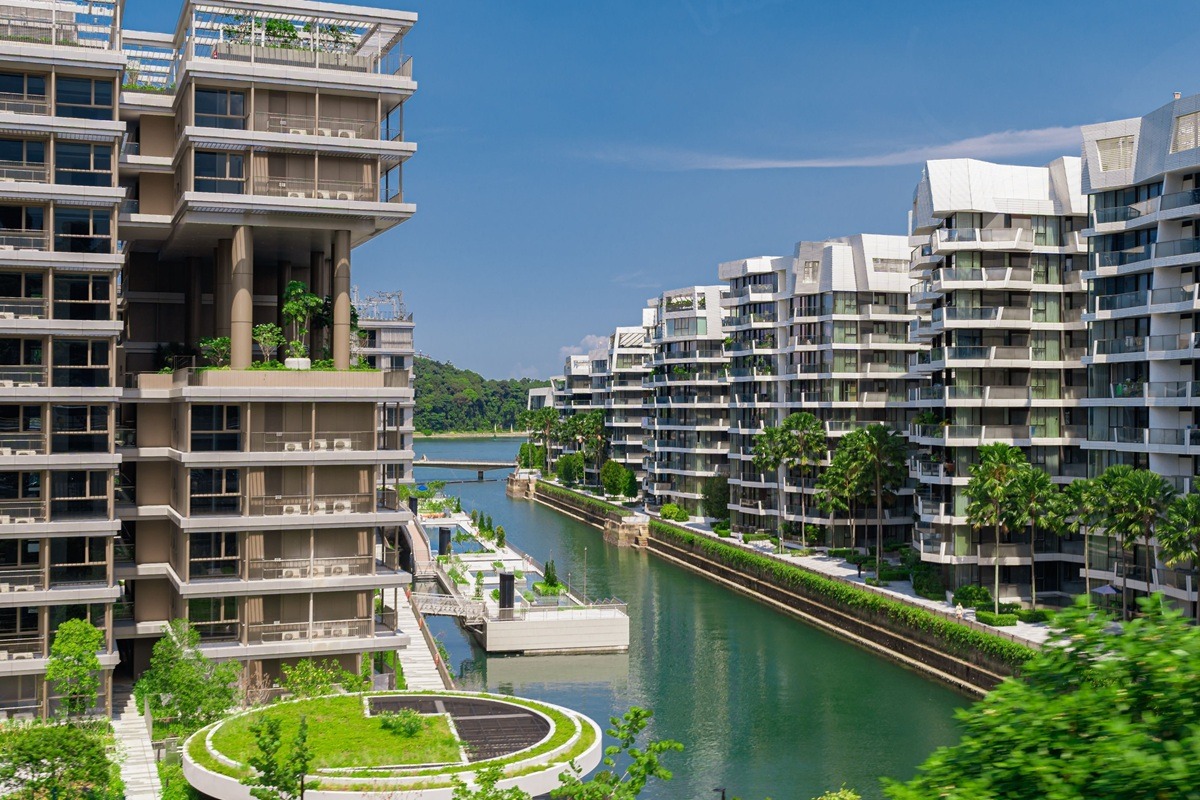
Property buyers in Singapore face one of the most common questions in the market: leasehold or freehold? The decision goes beyond tenure. It affects affordability, resale prospects, rental potential, and even the way a property fits into family legacy planning.
For some, a leasehold purchase opens doors to better locations at an accessible price. For others, freehold offers the permanence that feels more aligned with long-term goals.
Understanding how the two titles compare gives clarity before committing. Let’s look in detail at what makes each attractive, what risks exist, and how location and lifestyle often matter more than tenure alone.
Why tenure matters for Singapore buyers
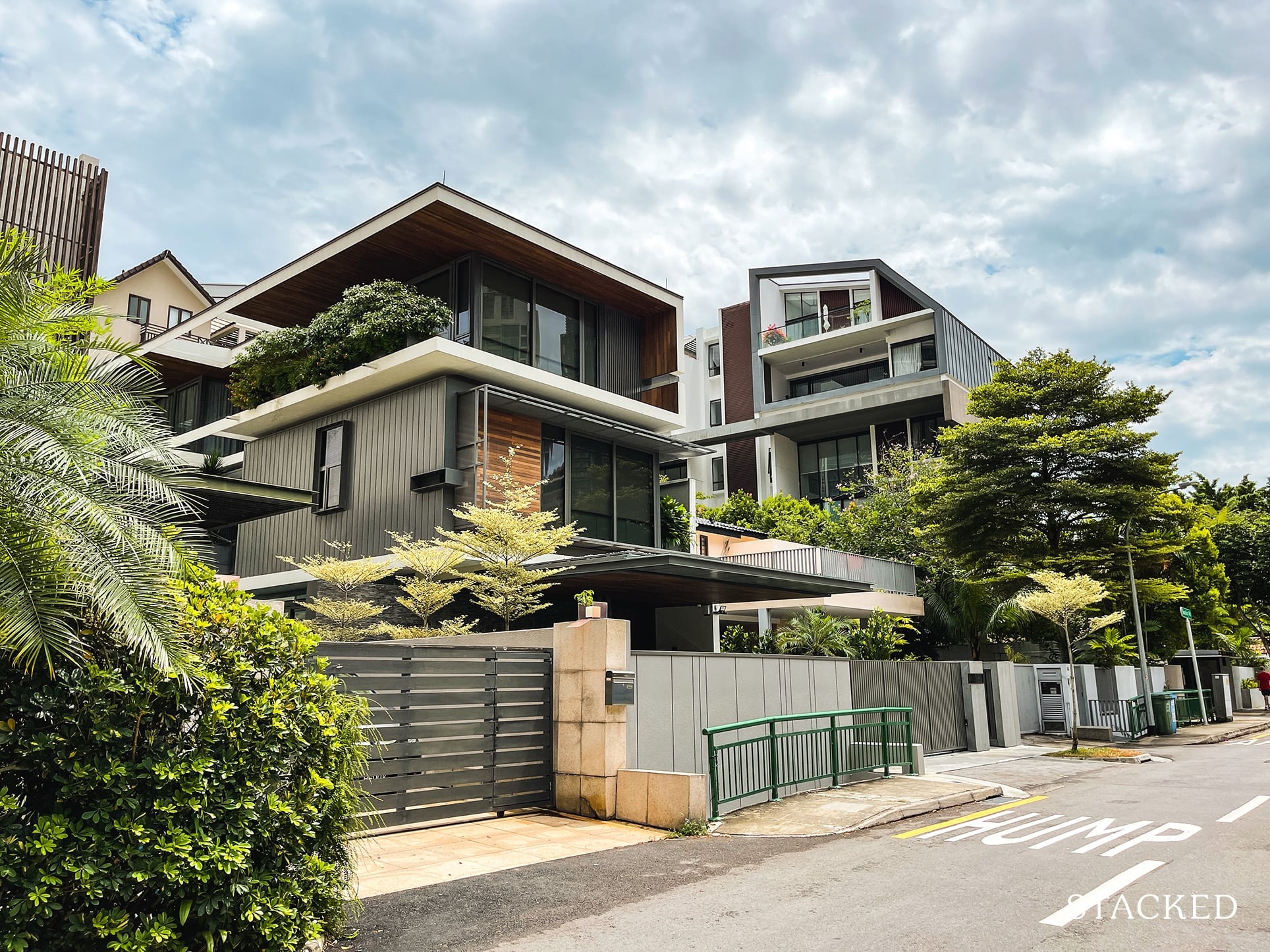
Tenure is more than a technical detail on the title deed. It defines how long a property remains in the hands of the owner, and it influences financing, long-term value, and legacy planning.
Freehold ownership provides indefinite control. Families can hold onto the property for generations, without worrying about lease expiry. Leasehold ownership, in contrast, comes with a clear timeline. Most are 99-year leases, sometimes 999 years, and at the end of that period the land reverts to the state.
For a buyer who plans to live in a home for the next few decades, a 99-year lease may cover their entire horizon comfortably. But for those who see property as a family heirloom, the lack of permanence in leasehold feels less reassuring. This is where values and priorities come into play.
Cost differences and entry affordability
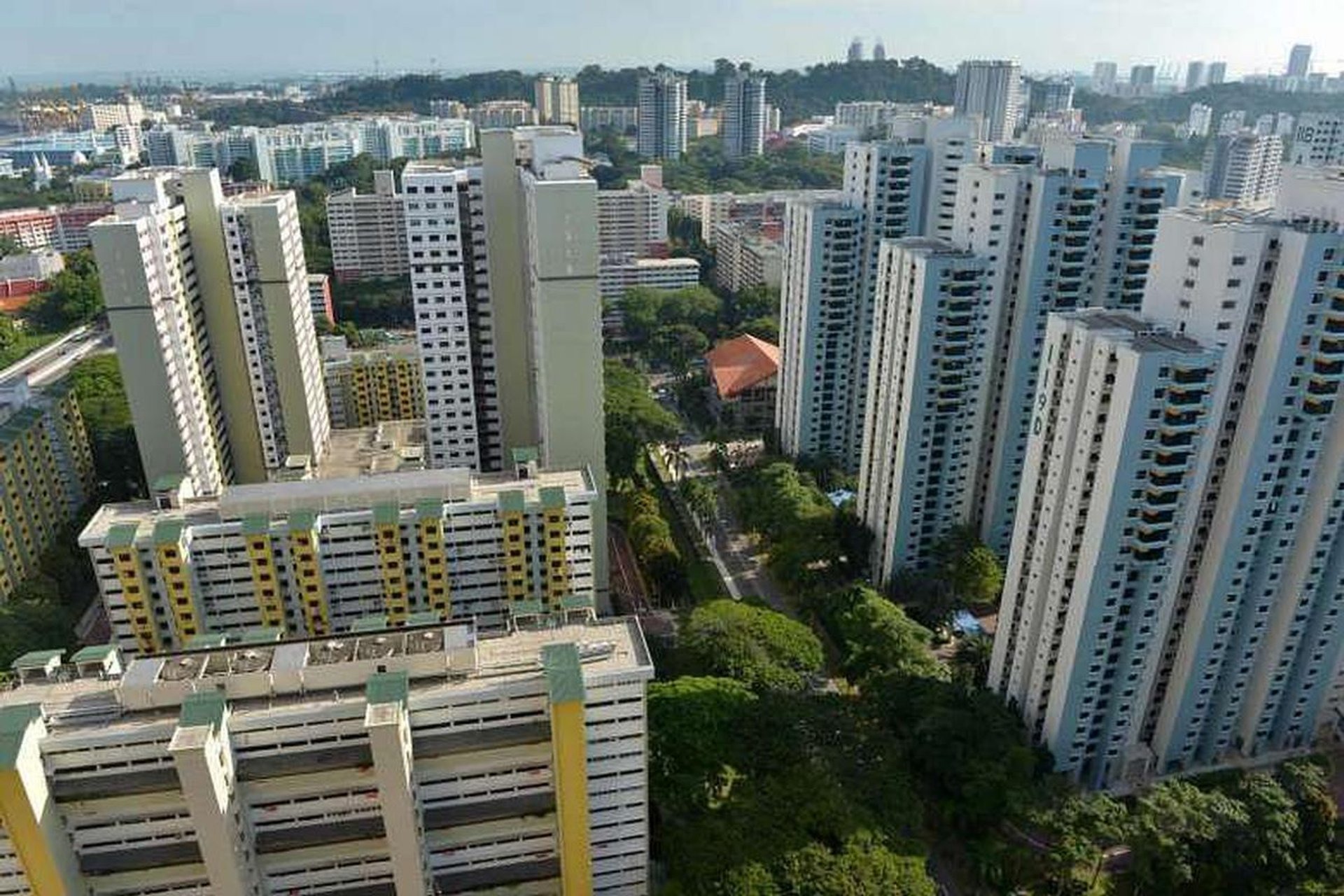
Affordability is often the first reason buyers consider leasehold developments. The price gap between leasehold and freehold in similar districts can be substantial.
- Leasehold units can be 10 to 20 percent cheaper.
- For new buyers or younger professionals, the difference means a more realistic entry point.
- The gap allows buyers to redirect funds to renovation, lifestyle needs, or even other investments.
Take modern projects such as Skye at Holland. Located in a prime district with convenient access to schools, transport, and lifestyle amenities, it shows how a leasehold property can still deliver high value. The lower entry cost paired with location strengths offsets concerns about tenure length, making it a sensible choice for families and singles alike.
This balance between cost and convenience is one of the strongest arguments for leasehold purchases today.
The enduring appeal of freehold properties
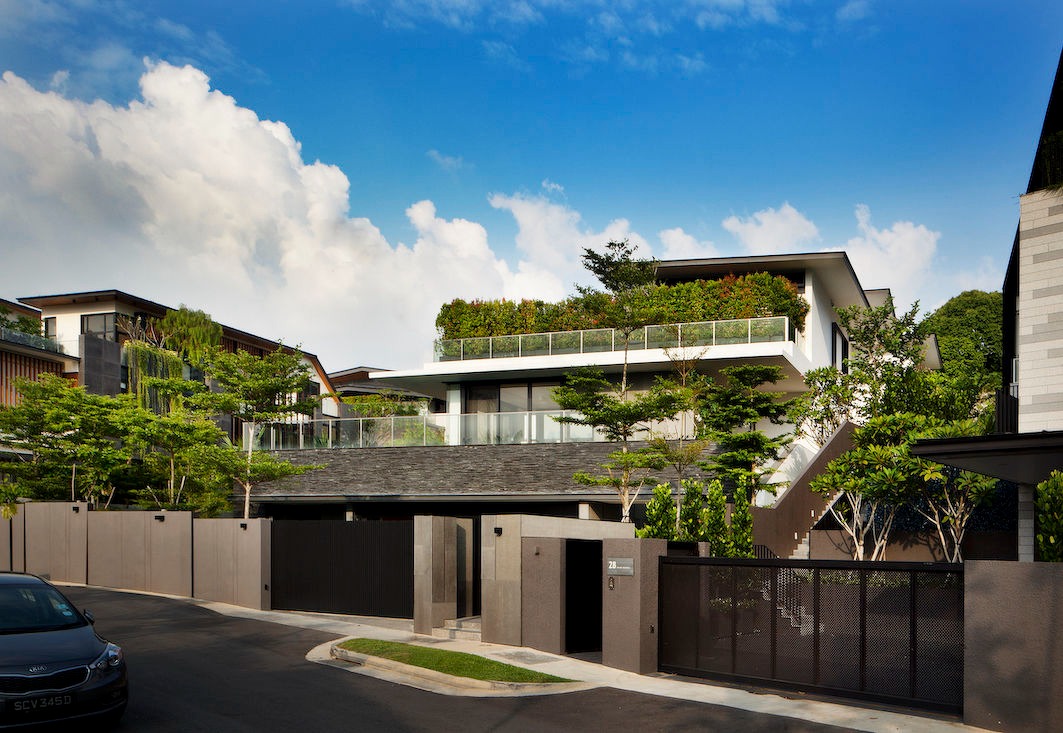
Freehold carries a special kind of prestige in Singapore. For many buyers, the appeal lies not only in the absence of an expiry date but also in the sense of permanence.
Parents often view freehold as a secure form of generational wealth transfer. Knowing the property remains in the family line without tenure concerns adds peace of mind.
Yet that peace comes at a premium. Freehold units can be significantly more expensive, especially in central districts where land is scarce. That higher upfront cost reduces accessibility for many, limiting ownership to higher-income households or long-term investors.
For those who can afford it, the investment feels justified. A freehold property is unlikely to face the same rapid depreciation risks as an aging leasehold, making it attractive to cautious buyers who want stability more than quick gains.
Lease decay and its effect on property value
The greatest drawback of leasehold lies in the concept of lease decay. As the number of years left on the lease shrinks, the property’s value tends to decline.
Once the lease drops below 60 years, financing becomes a challenge, as banks tighten lending. The resale market shrinks, since many buyers hesitate to commit to an asset with limited tenure.
Still, the real impact is gradual. For properties with 70 or more years left, the concern is less immediate. Young families who plan to upgrade within two decades may not feel the pinch of lease decay at all. In fact, for much of a property’s early lifespan, market forces such as location and design outweigh tenure length.
Rental yields and investment perspective
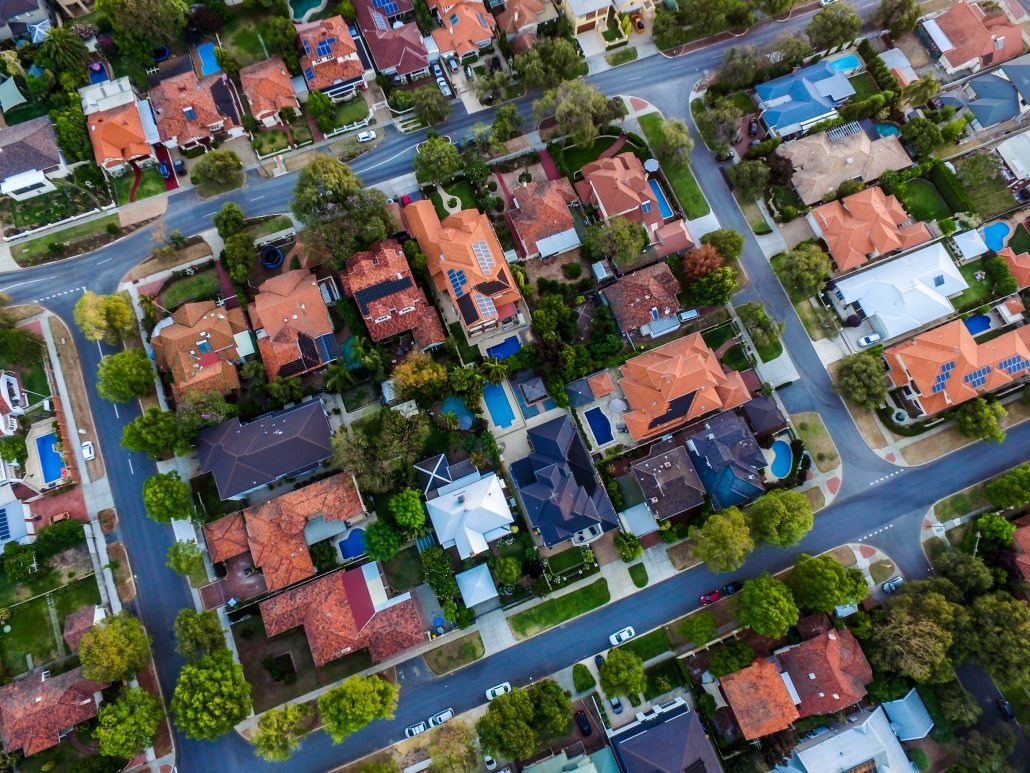
Investors approach the leasehold versus freehold debate from a different angle. Their focus is on yield, liquidity, and tenant demand.
Leasehold properties are usually better positioned to deliver stronger yields because of lower acquisition costs. Tenants, after all, rarely care about tenure. They value location, transport links, and facilities.
Projects such as Penrith highlight this point. For investors, securing a well-located leasehold unit at a manageable price can deliver steady rental income. Over time, the yields balance out the concerns of eventual tenure decline, especially if the holding period is mid-term rather than multigenerational.
Location and facilities often outweigh tenure
When buyers compare titles, they quickly realize that tenure alone rarely defines quality of life. More often, location, facilities, and design shape the property’s real value.
Consider two scenarios: a leasehold in a vibrant district next to an MRT line and schools, versus a freehold in a remote location with fewer amenities. For daily living, the first option often delivers greater satisfaction. Families prioritize school catchment areas, professionals prioritize commute times, and retirees may prioritize nearby healthcare.
Key point: In practice, the day-to-day usability of a home can overshadow abstract concerns about tenure expiry.
Market realities and government policy
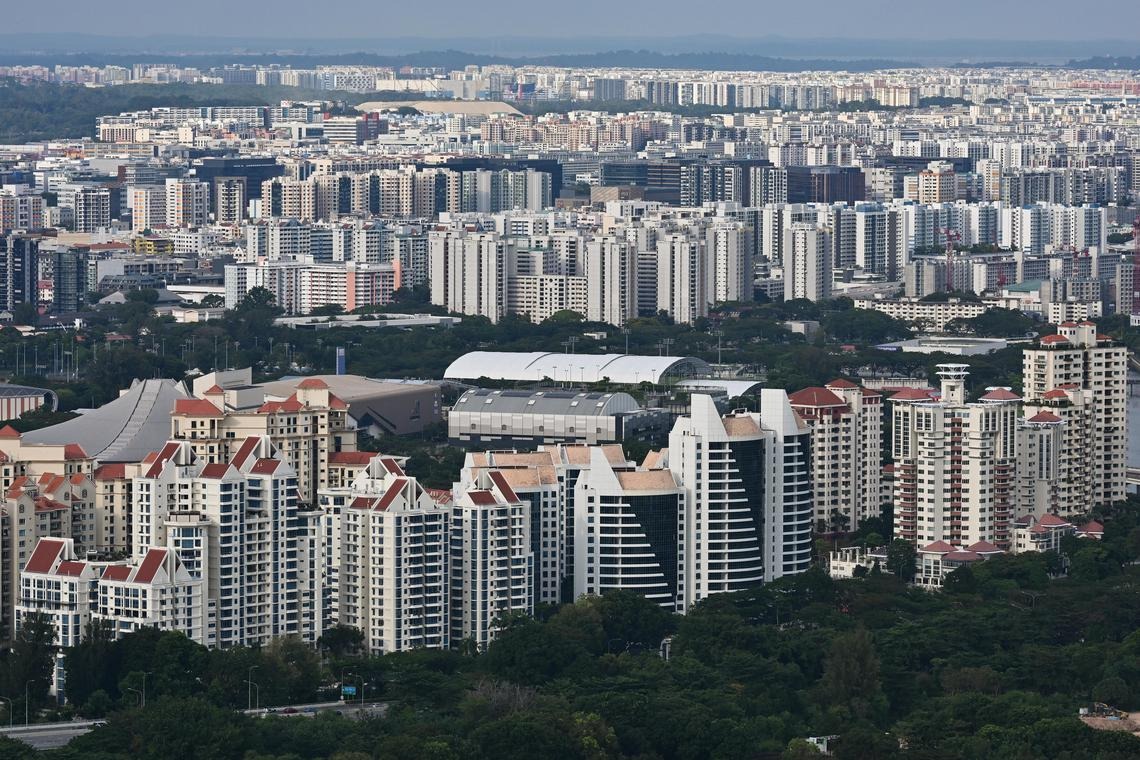
Singapore’s land policies shape much of the property market. The majority of government land sales are 99-year leasehold, which means the bulk of private developments fall into that category. As a result, leasehold is not an exception but the norm.
En-bloc potential further complicates the picture. Even older leasehold properties can attract developers if the land is in a prime area ripe for redevelopment. This chance of collective sale injects additional value, reducing the fear of tenure decline for certain districts.
On the other side, freehold remains scarce. Limited supply fuels demand and sustains prices. Buyers who see scarcity as an advantage gravitate toward freehold, accepting the premium as part of its long-term hedge against market shifts.
Practical advice for prospective buyers
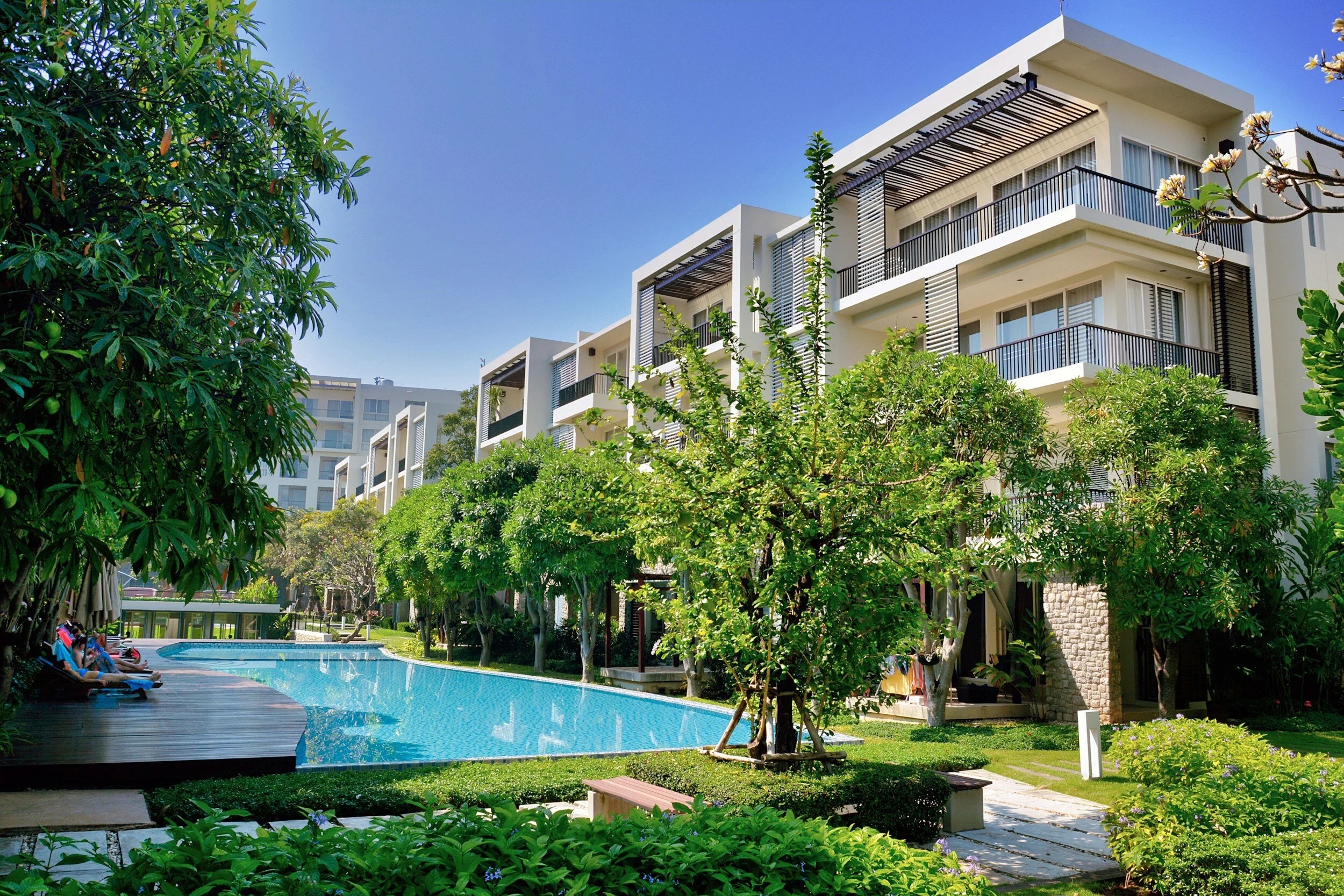
Choosing between leasehold and freehold comes down to goals and circumstances. Buyers can weigh the decision more effectively by asking themselves the right questions:
- How long do you plan to stay in the property?
- Is your focus on affordability today or generational wealth tomorrow?
- Would a stronger location at a lower tenure bring more satisfaction than a weaker location with freehold rights?
- Are you buying for rental yields or for family use?
- Can your finances stretch comfortably for freehold, or would a leasehold purchase keep your portfolio more balanced?
Clarity in goals makes the choice easier and prevents regret later on.
Conclusion
The decision between leasehold and freehold in Singapore is never purely technical. It is a blend of personal goals, financial comfort, and lifestyle needs.
Leasehold delivers affordability and rental strength, making it suitable for first-time buyers and investors. Freehold offers permanence and prestige, attracting those focused on legacy and wealth transfer.
The wisest approach is to see tenure as one factor among many. A leasehold in a prime location with strong amenities can outperform a freehold in a weaker area.
In the end, the best property is one that fits both the buyer’s life today and their financial vision for tomorrow.