A car that won’t start often points straight to a faulty ignition system. Instead of jumping to conclusions or replacing random parts, work smart. Identifying the cause saves money, time, and frustration. Here’s how to isolate the problem and fix it before it gets worse.
Key Highlights
- Ignition system problems often start with inconsistent engine cranking
- Faulty spark plugs, wiring, or ignition coils are the usual suspects
- Diagnosing early avoids expensive repairs and unexpected breakdowns
- Multimeters and scan tools can uncover problems without guesswork
- Heat and vibration can damage connections over time
Signs Your Ignition System Has Failed

The engine cranks, but it never catches. Or worse, it doesn’t even turn. You turn the key and get nothing but silence—or a clicking sound.
Common symptoms include:
- Car stalls right after starting
- Rough idle or jerking acceleration
- Intermittent power loss
- Dashboard lights flickering when turning the key
- No sound or response at all
When these problems start happening more often, it’s time to isolate the issue. Most ignition systems fail slowly. Catching it early makes repair simple.
The Three Critical Areas to Check
Every ignition system breaks down into three core components. Start with the basics before getting deep into diagnostics.
1. The Ignition Key and Switch

The ignition switch acts as the gatekeeper. It controls power from the battery to the engine and accessories. If the switch or key fails, the entire system shuts down. Worn keys or damaged switches often cause intermittent starts.
Professionally cut keys can solve this problem—especially if the key no longer fits smoothly or needs wiggling to work.
MR Key offers an affordable solution for replacement keys and switch-related support without the inflated prices charged by local shops. They use precision key-cutting equipment to produce ready-to-use keys, matched exactly to the original.
2. Spark Plugs and Ignition Coils
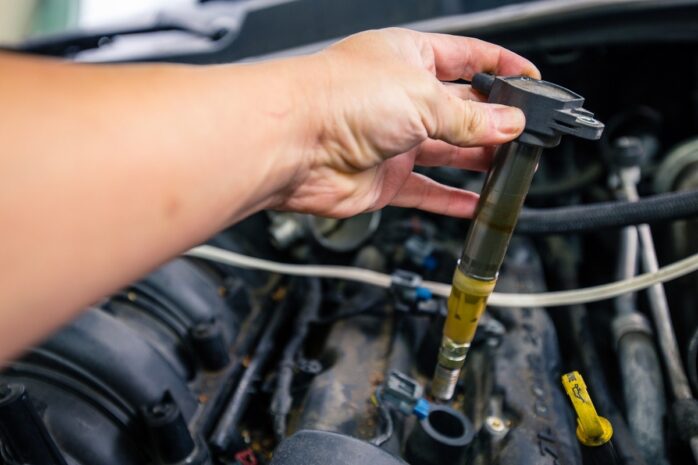
If your car starts but runs rough, your spark plugs or coils may be to blame. Worn spark plugs can misfire, and bad coils can fail to deliver the needed charge.
Replace spark plugs every 30,000 to 60,000 miles. If the check engine light is on, scan for error codes. A common one—P0300—signals a misfire. Coil packs may also fail one at a time, causing irregular engine behavior.
To troubleshoot:
- Remove the spark plug wires
- Inspect for carbon buildup, oil, or cracks
- Replace any spark plug that looks worn or damaged
- Swap coil packs to see if the issue moves with the pack
Address problems here quickly. Letting it go can damage your catalytic converter or cylinder head.
3. Wiring, Fuses, and Grounds
Don’t skip over the simple stuff. Electrical issues are often caused by loose wires, corroded connectors, or blown fuses. Ignition systems rely on clean connections. Even a small break or worn ground wire can shut everything down.
Check your battery terminals for corrosion. Use a multimeter to test for continuity in wires from the ignition switch to the starter and coil packs.
Inspect:
- Battery connections
- Starter relay fuse
- Engine control fuse
- Grounds to the chassis and engine block
Even a small crack in a ground wire can block voltage from reaching the ignition system. Always check the grounds last, even if everything else seems fine.
Use a Multimeter to Test the Ignition System
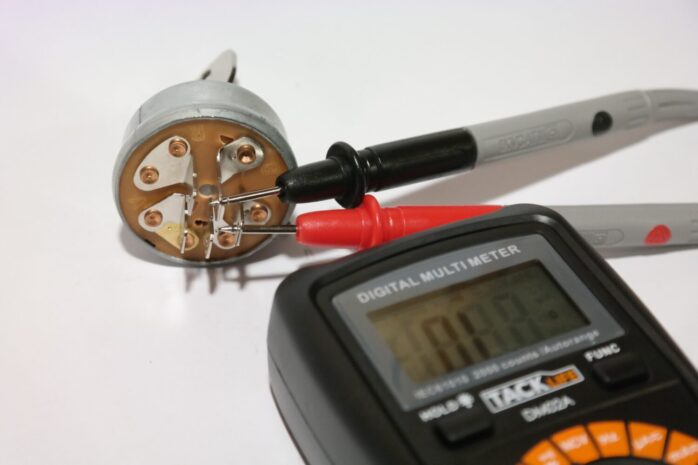
You don’t need a mechanic to get clarity. A simple multimeter gives you everything you need to measure voltage, resistance, and continuity. Start with a basic check of the ignition coil.
How to test an ignition coil with a multimeter:
- Disconnect the coil from its connector
- Set your multimeter to the ohms setting
- Test primary resistance (between terminals)
- Then check secondary resistance (from terminal to coil output)
If resistance readings fall outside your car’s manual specs, the coil is bad.
You can also use a scan tool to monitor real-time data like crankshaft position, misfire counts, and voltage drops. Modern cars log every issue electronically—use that information to get ahead.
Watch for Heat-Related Failures

Heat kills ignition systems faster than wear. On hot days, electrical components expand. Weak coils, degraded plastics, and old wiring all act up under heat.
If your car fails to start after being parked in the sun but works later, suspect heat. The ignition control module or crankshaft sensor may be the weak link.
Solutions:
- Replace modules showing thermal stress (melted plastic or discolored pins)
- Wrap exposed wires in heat-resistant sleeves
- Reroute wires away from the exhaust manifold
Most heat-related issues start small but become total failures quickly. Fix them before you’re stranded on the side of the road.
When to Replace the Ignition Control Module
The ignition control module manages timing and spark. If it’s faulty, your engine won’t fire properly—or at all. A failing module often works intermittently before it quits entirely.
Symptoms of a failing module:
- Engine stalls suddenly
- No spark to plugs
- Strong fuel smell without engine turnover
- Engine won’t crank but battery is fully charged
Replacement is often cheaper than chasing other parts. Modules aren’t serviceable. If tests confirm failure, swap the unit completely.
Final Word
A faulty ignition system doesn’t always start with a total failure. Small signs—rough starts, misfires, strange smells—point to issues waiting to get worse. If your car suddenly won’t start, don’t panic.
Focus on the three main areas: ignition key and switch, spark delivery system, and electrical wiring. Use tools like multimeters and scan tools to test instead of guessing. Replace parts only when test results confirm failure.
And when your issue ties back to the key itself—whether it’s a worn blade or damaged switch—turn to trusted experts for an exact replacement and fast delivery. Your engine, your wallet, and your time will thank you.