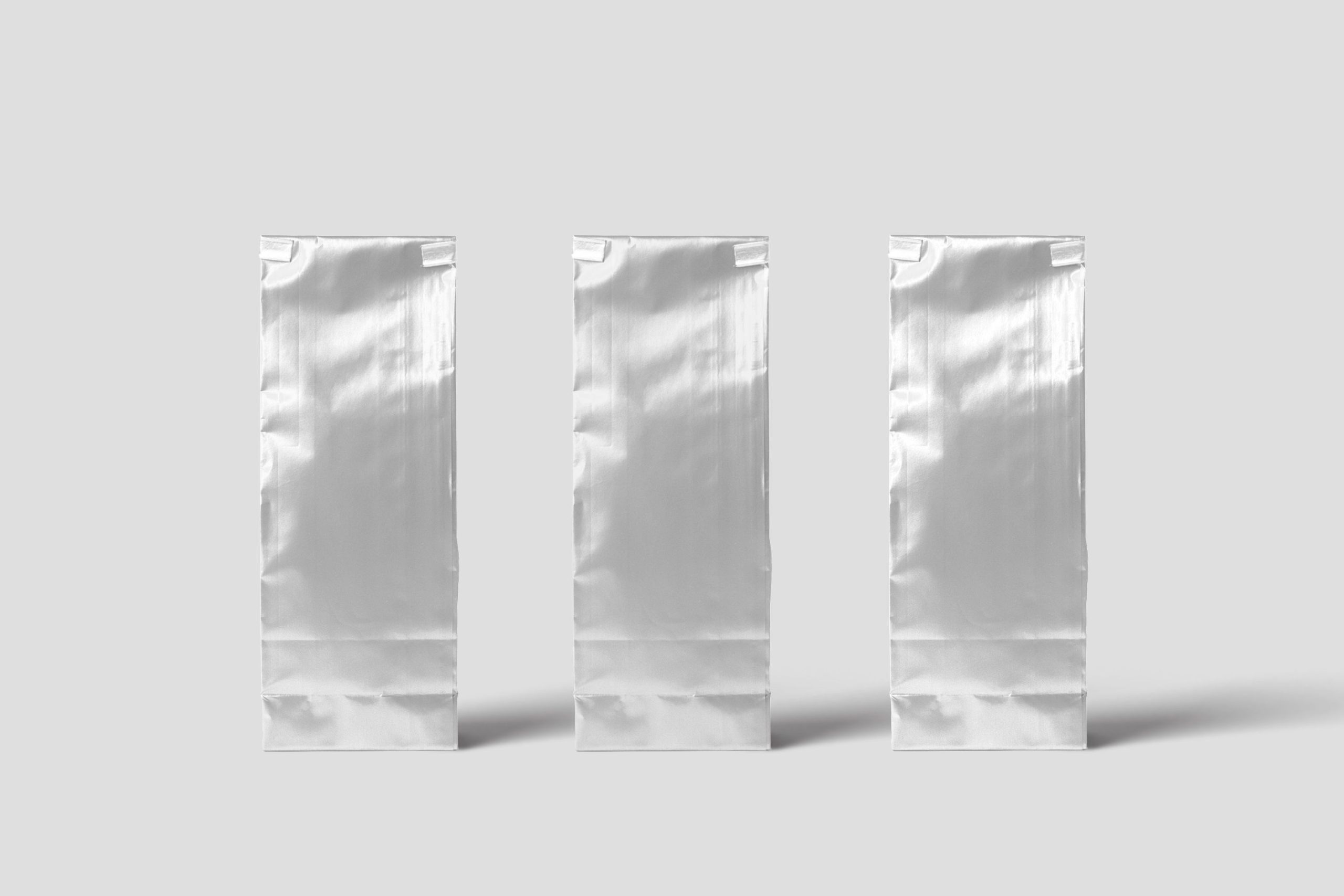
Walk the snack aisle and half the packaging you pass is a variation on the same idea: a thin, shiny pouch that keeps oxygen, moisture, light, and aroma away from whatever is inside. That pouch is usually a laminate of polyester and aluminum that everyone calls a “Mylar bag,” after the DuPont polyester film that started it all. The flexible packaging industry behind these pouches was worth roughly $294 billion in 2025 and is still compounding at over 5% a year, per Grand View Research, so this is not a niche question.
Buying them, though, is where things get messy. When you order custom Mylar bags you are not buying one material. You are buying a layered structure, a seal, a closure, a printing surface, and a set of compliance promises, all from suppliers who mostly quote you a price per bag and a minimum order. Most of the expensive mistakes I see happen before any of that, because the buyer picks by thickness and price and only discovers the barrier is wrong after product starts coming back.
Here is the short version of where this guide lands: the bag’s performance is decided by the film structure, the seal, and the closure – not by how thick or shiny it looks, and the single best question you can ask a supplier is “what is this bag for, and what does your spec sheet say the oxygen and moisture transmission actually are?”
Start from the product, not from the bag
The right structure falls out of what you are packing and how long it must survive. A dry snack that moves in six weeks has different needs than whole-bean coffee, and both are different again from flower that has to sit on a dispensary shelf for months without leaking terpenes through the film.
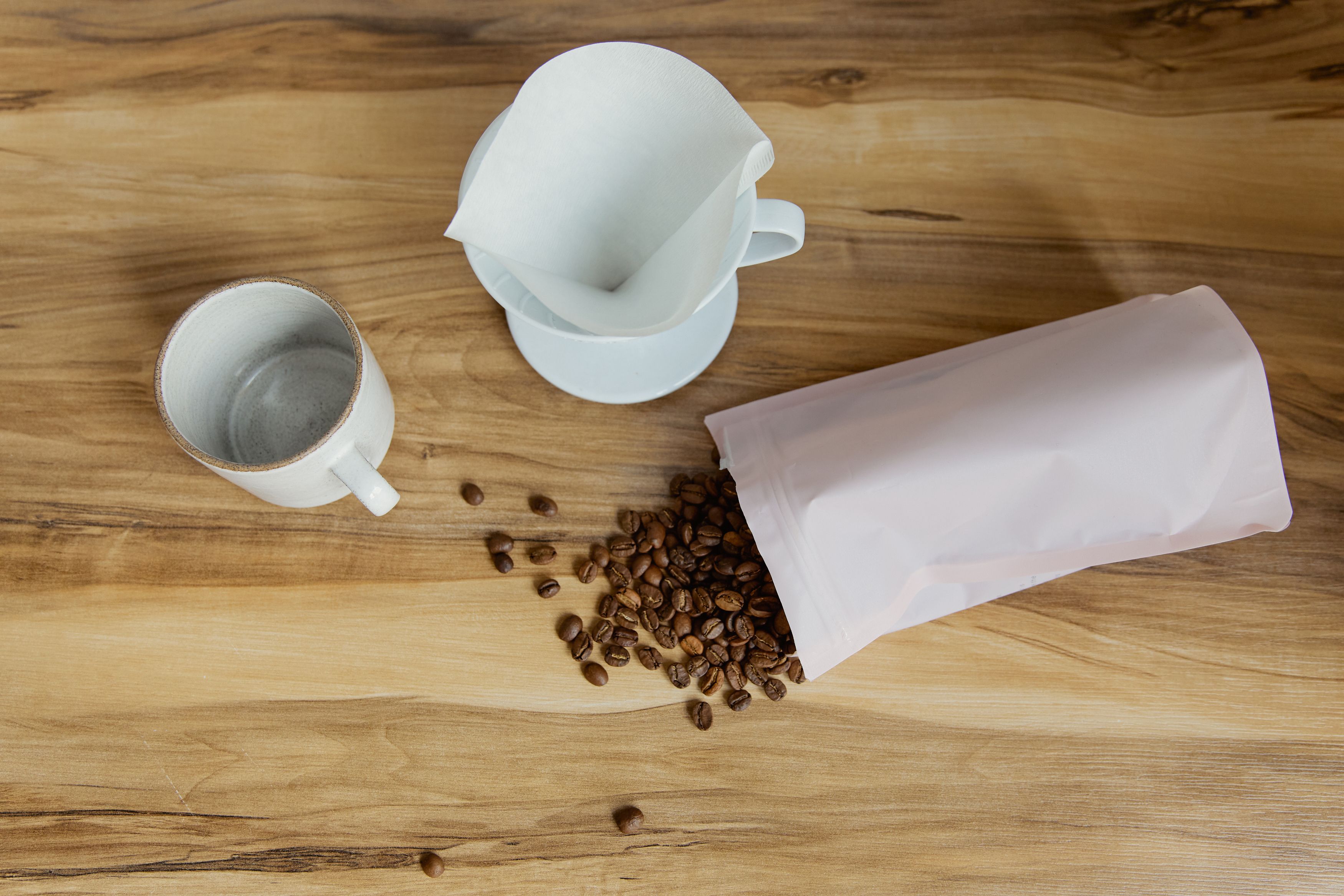
Three situations cover most orders. First, freshly roasted coffee: it degasses carbon dioxide for days, oxidizes fast, and needs both a one-way valve and a serious barrier. Second, long-shelf-life goods where failure is expensive – emergency food, supplements, anything where a stale or rancid batch is a whole recall, not a grumble. Third, everything else, where a simpler and cheaper structure is genuinely fine and nobody should upsell you into a foil fortress. My read is that a large share of buyers over-specify for situation three because they assume the premium bag is automatically the right bag.
The product also decides the format. Stand-up pouches with a gusset earn their cost on a retail shelf; lay-flat bags make sense for samples and single-use packs; a bottom-gusset bag gives bulk flower room to breathe without looking deflated. Match the geometry to how it will be displayed and filled, not to what looked nice in a competitor’s photo.
Thickness tells you less than the layer stack
“Mylar” in its raw form is clear, not silver – the metallic look comes from a layer of aluminum, either as a rolled foil or as an ultra-thin coating vapor-deposited onto the film. A typical pouch stacks three jobs: an outer printed PET film (around 12 microns) for strength and print quality, a middle barrier, and an inner food-contact polyethylene layer that heat-seals.
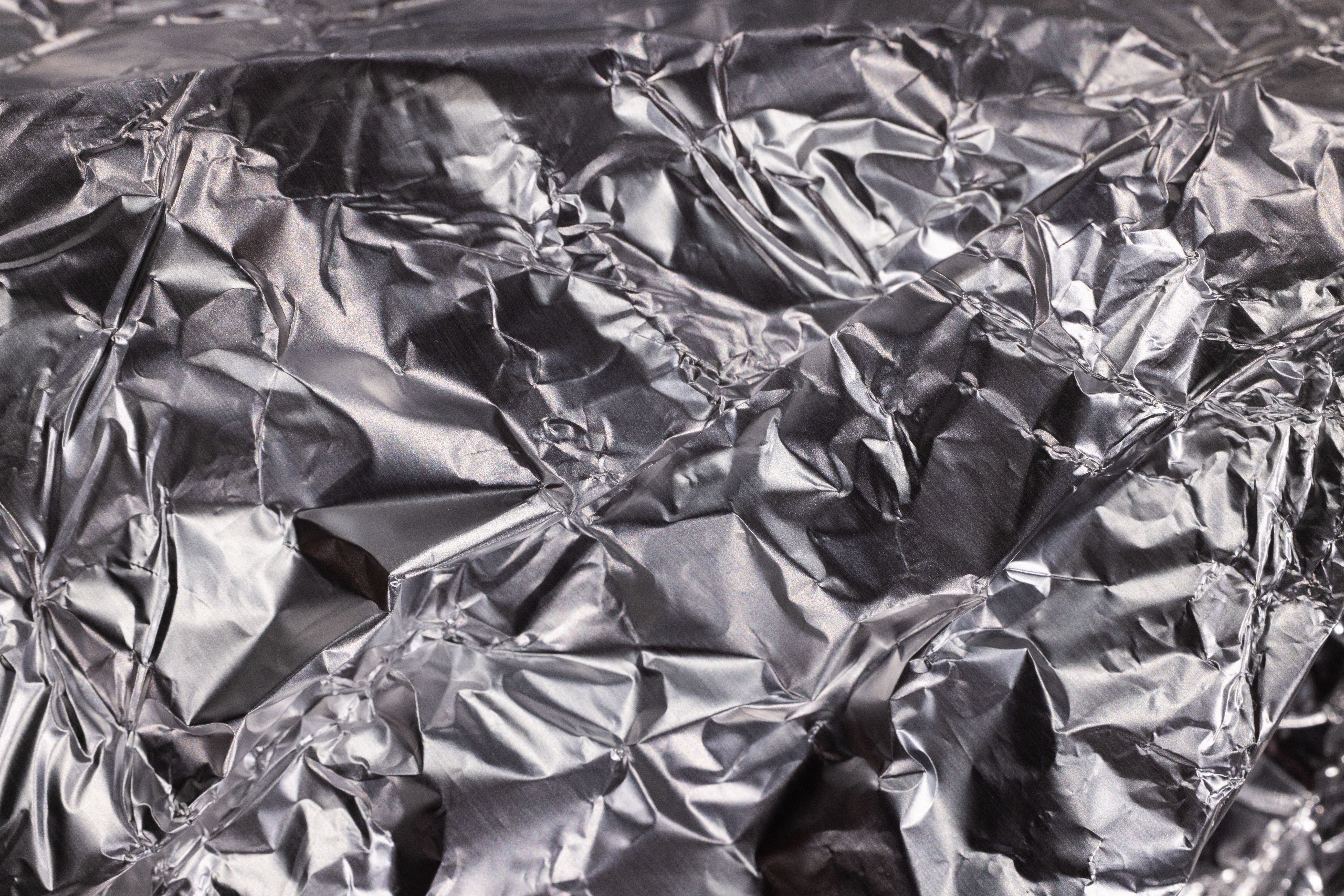
The middle layer is the decision that actually matters, and it comes in two flavors that behave differently. A true aluminum foil layer (typically 7–12 microns) is a near-perfect physical wall: properly laminated, it blocks essentially all oxygen, water vapor, light, and odor. A metallized layer is aluminum only a few hundred ångströms thick, vacuum-deposited onto the film. It dramatically slows oxygen and light rather than stopping them. Both get sold as “mylar bags,” and they are not the same product.
| Structure | Oxygen barrier class | Typical fit | Trade-offs to know |
|---|---|---|---|
| PET + clear PE (2-layer) | Low | Short-life snacks, non-fatty goods, samples | Cheapest, but oxygen gets through in weeks |
| PET / metallized PET / PE | High (approx. 1–10 cc/m²/day) | Snacks, moderate shelf life, lighter weight | Good barrier, flexible, but reduces rather than eliminates ingress |
| PET / aluminum foil / PE | Very high (often below 1 cc/m²/day) | Coffee, cannabis, supplements, long-term storage | Near-total barrier; can develop pinholes under heavy flexing |
| Mono-material PE/PP with a thin SiOx or EVOH barrier | High, recyclable | Brands with recyclability commitments | Newer; ask for the actual OTR test data |
Those barrier bands are indicative, drawn from packaging laminate references I pulled together in September 2026 – the real numbers live on your supplier’s spec sheet, and a supplier who cannot produce one is telling you something.
Foil is a perfect barrier – until you fold it
Here is the counterintuitive part that most buyers never hear. Aluminum foil is the best barrier in flexible packaging, but it is also the most fragile, because a foil layer that cracks or pin-holes stops being a wall. A 2020 paper in the Journal of Plastic Film & Sheeting tested laminates through standard flexing and found a foil-centered structure still blocked oxygen after a light 20-cycle flex test but lost its oxygen barrier once flexing reached 270 cycles – the kind of punishment a bag endures tumbling through a fulfillment center. Metallized-centered laminates gave up less ground under the same abuse.
That does not mean foil bags are bad. It means the performance you pay for only survives if the bag is built to take handling: thicker overall films, an extra protective layer, and clean lamination. It is also why “smell-proof” claims deserve skepticism. A full-foil, fully sealed bag genuinely contains odor; the moment you add a clear window, a thin spot, or a weak seal, you have built the leak yourself. If smell containment matters to you – and for cannabis it usually does – treat any window as the enemy.
The seal is where barrier claims go to die
A bag that lets air in around a bad seal has the same effective barrier as a sandwich bag. The sealant layer and the sealing process matter as much as the film, which is why the same structure can perform completely differently depending on who converted it.
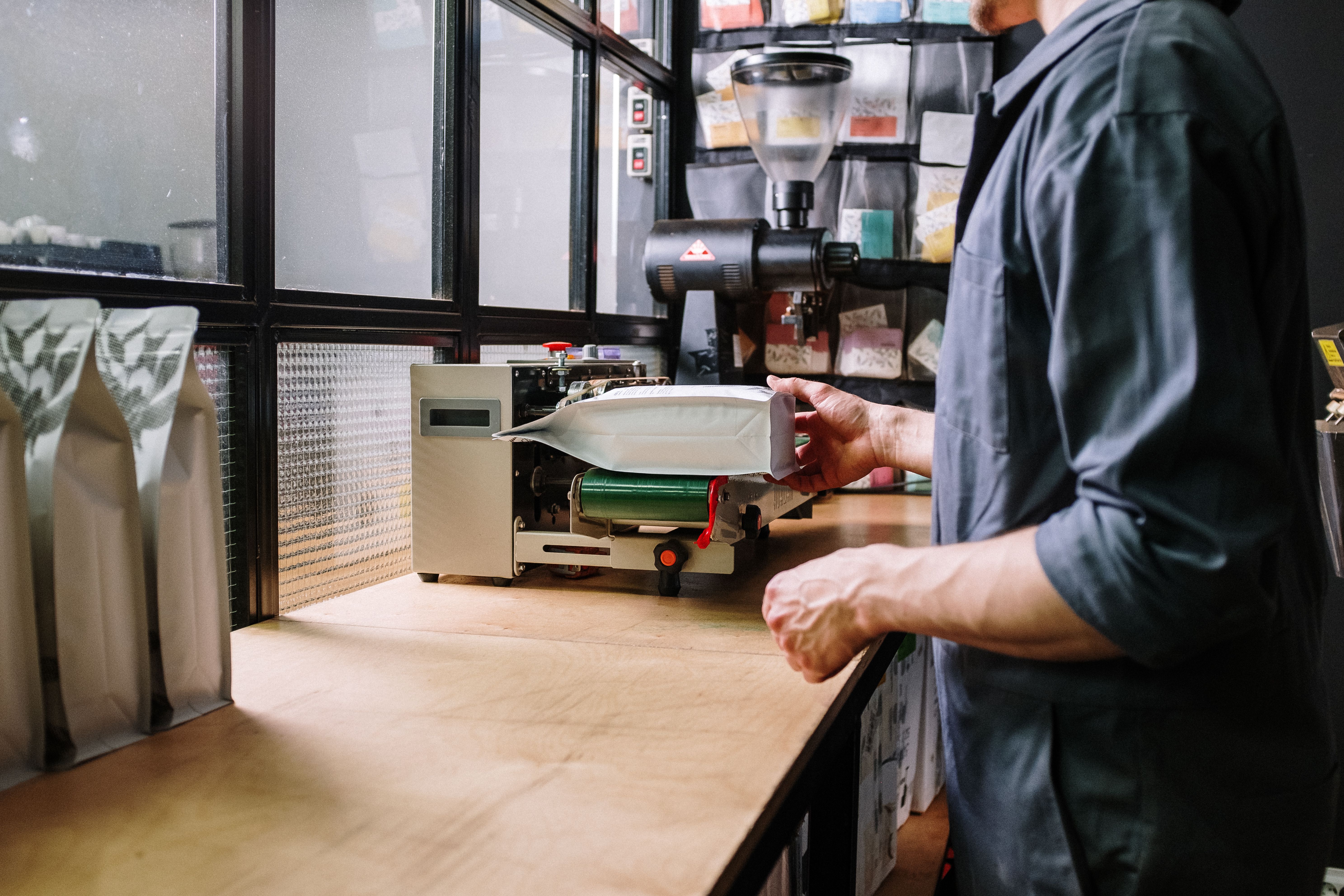
Decide early whether the top of the bag is a permanent heat seal or a resealable zipper, because they serve different products. A heat-sealed top with a tear notch gives you a genuinely airtight package for a single-use or long-storage product – think gummies, concentrates, emergency rations. A press-to-close zipper is a convenience feature for products consumed over time, and it is not an oxygen barrier once opened; the bag is only as fresh as the last person who closed it. If your product is eaten in one sitting, the zipper is a cost you do not need.
Two features are worth paying for when the situation demands them. A tear notch turns a frustrating rip-and-shred open into a clean one, which sounds trivial until your customer review section disagrees. And for anything regulated, a child-resistant zipper – certified under the Consumer Product Safety Commission’s special packaging standard – can be the difference between a legal product and a compliance failure. Test a handful of sample seals the way you will actually fill them: if you are packing oily or dusty product, the seal area gets contaminated, and that is where leaks start.
Valves: only some products should have one
The little plastic button on a coffee bag is a one-way degassing valve, and it exists because freshly roasted coffee keeps releasing carbon dioxide after roasting – enough that a pound of beans can give off up to two gallons of the gas over the following days. Seal that into an airtight foil bag with nowhere to go and the pouch inflates, stresses its seals, and can burst in transit. The valve lets CO₂ out while refusing to let oxygen back in, which is the whole trick of keeping roasted coffee fresh for months.
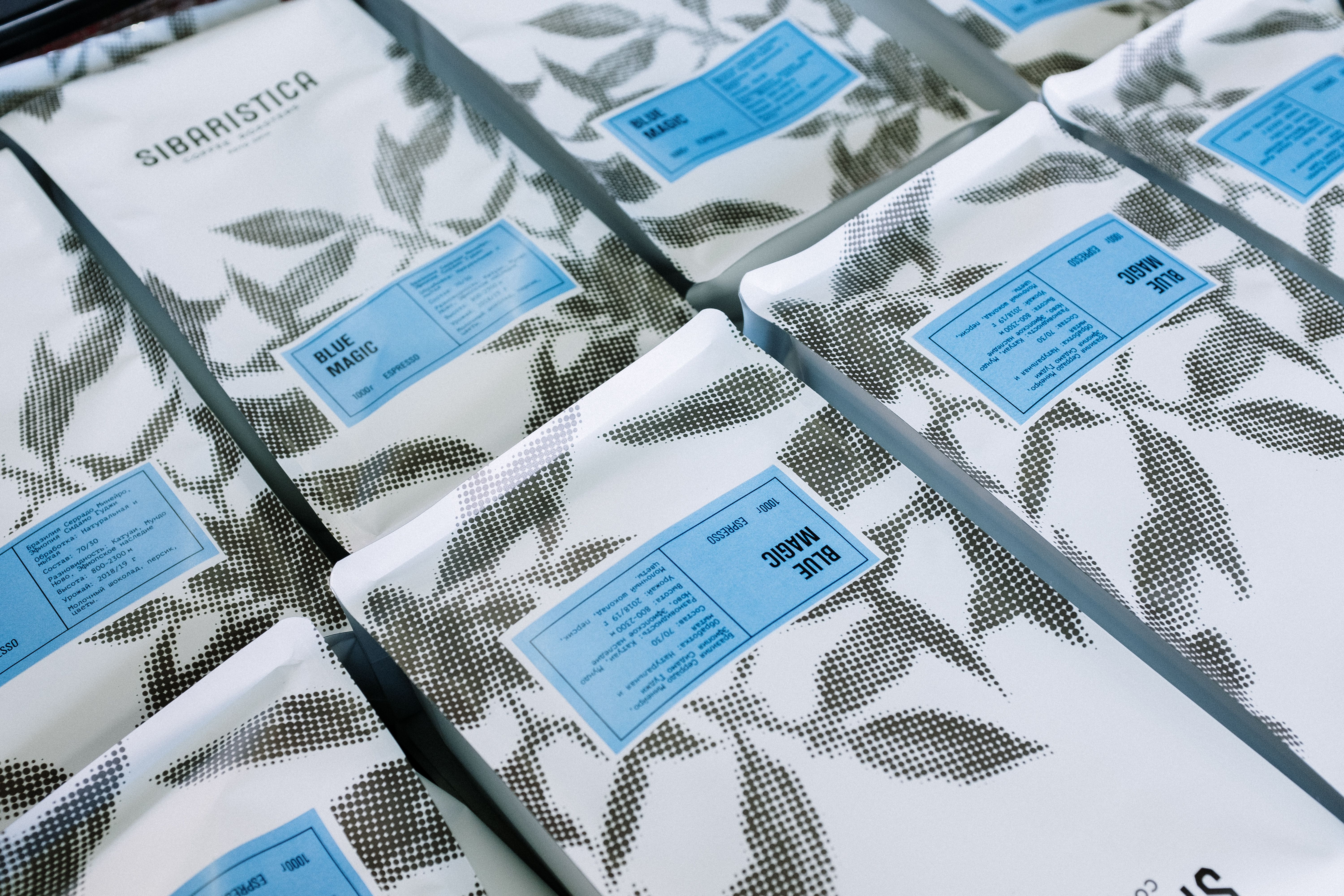
The feature gets misapplied constantly, though. A valve is only needed for product that is still off-gassing – freshly roasted whole beans and some grounds. Rested coffee, instant coffee, tea, and snacks do not need one, and on those products a valve is pure added cost and another component that can fail. Ground coffee throws a second wrinkle: fine particles can clog the valve and stop it resealing, so ground-coffee bags generally need a filtered valve. Ask the supplier which valve they fit and whether it is filtered before you assume the cheap option is equivalent.
Food-grade is a legal position, not a label
In the United States there is no universal “FDA approved” certificate for a finished bag, and any supplier who implies there is one is overselling. What actually exists is a regulatory framework: every substance that touches food must be authorized as a food contact substance, generally under parts of 21 CFR, and the bag maker is responsible for building from compliant components. The FDA’s own packaging guidance walks through exactly this. So when a supplier says “food-grade,” ask what they can show you – a compliance statement, material documentation, the food-contact status of the inner sealant layer – rather than accepting the phrase at face value.
The same scrutiny applies to claims of being “child-resistant” or “smell-proof.” Those are testable properties with protocols behind them, not adjectives. If a regulator or a dispensary buyer asks, the supplier should be able to point to the relevant test rather than to their own confidence.
The recyclability question nobody asks until 2029
Here is the tension I want you to see clearly before you sign a purchase order. The foil laminate that protects coffee and flower best is almost impossible to recycle through normal curbside streams, because its layers cannot be separated once bonded. That is not a niche concern anymore. The EU’s Packaging and Packaging Waste Regulation (Regulation (EU) 2025/40), in force since February 2025 and applying from August 2026, grades packaging by recyclability, and from 2030 structures that cannot meet the minimum grade can no longer be placed on the EU market. Traditional PET/aluminum/PE laminates sit below that bar, which is why the industry is racing toward mono-material pouches – single-polymer films with an ultra-thin silicon-oxide or EVOH barrier that recycle like ordinary plastic.
So which would you choose for a coffee brand that exports to Europe: the foil bag that protects flawlessly but will be unplaceable in a few years, or the recyclable mono-material pouch whose barrier you have to verify with real oxygen-transmission data? I know which one I would be testing now, and I also understand why a purely domestic brand shrugs – nothing forces them to switch today, and the barrier gap between the two is real. My position is that the barrier you buy should match the shelf life you actually need, and no further: if you need a year of protection, pay for it; if your product moves in eight weeks, a recyclable structure with documented test results is the smarter buy, not the greener-sounding compromise. For cannabis specifically, most US state programs do not track this yet, but large retailers and investors are starting to ask – so get the question answered by a supplier who can offer both routes rather than defending one.
Vetting a supplier in one order
Regardless of which features you land on, the buying process is where quality is actually decided, and it follows a boring but reliable pattern. Order samples first – ideally in the exact structure, finish, and closure you intend to buy – and run your own crude tests: fill and seal them the way you will in production, leave them a few days, and check seals, aroma, and whether anything swelled. Confirm the minimum order against your realistic volume, not your hopeful one, and get the lead time in writing, because printed pouches typically require a production run after artwork approval. Ask for the material spec sheet with oxygen and moisture transmission values, and make sure your artwork uses the supplier’s dieline so nothing critical lands in a seal area. A practical place to start is a manufacturer that prints and converts in-house and sells custom mylar bags wholesale, since a single supplier accountable for the whole bag is easier to hold to a quality standard than a chain of middlemen.
Questions buyers actually ask
Is a thicker bag always better?
No. Thickness (measured in mils) affects durability and puncture resistance, but it does not fix a weak barrier layer. A thick bag built around a metallized film still lets more oxygen through than a thinner bag with true foil. Match thickness to handling demands and the barrier structure to shelf life.
What is the difference between metallized and foil Mylar bags?
A foil bag has a rolled aluminum sheet laminated into the structure and blocks nearly all oxygen, moisture, and light. A metallized bag has a microscopic aluminum coating deposited on film – cheaper and more flexible, but it slows ingress rather than stopping it.
Do I need a degassing valve?
Only for products still releasing gas after packing, chiefly freshly roasted coffee. Rested coffee, snacks, and most other goods do not need one, and on those products it is wasted cost and another component that can fail.
Are custom Mylar bags recyclable?
Traditional foil and metallized laminates are generally not recyclable in standard curbside streams. Recyclable alternatives exist as mono-material structures with thin barrier coatings, but you should ask for oxygen-transmission test data rather than trusting the label.
How do I confirm a bag is food-safe?
Ask the supplier for documentation showing the food-contact layers are built from components authorized for food contact under US regulations (parts of 21 CFR). There is no single FDA certificate for a finished bag, so the documentation is the proof.
How much do I need to order for a custom print?
Minimums vary a lot by supplier and by how complex the structure is. Many manufacturers now start custom runs at 100 pieces, which makes a real sample run affordable before you commit to wholesale volume.
How this article was put together
I wrote this for brands buying barrier pouches for the first or fifth time, and based it on sources checked in September 2026: the FDA’s packaging and food contact substance guidance, the EU Commission’s announcement and Regulation (EU) 2025/40, a peer-reviewed study of flexing effects on foil and metallized laminates, flexible packaging market data from Grand View Research, and supplier material guides on typical layer structures and valve behavior. Barrier figures in the table are indicative ranges, and the definitive numbers belong to your supplier’s spec sheet. Coffee degassing behavior and MOQ figures reflect common industry practice as suppliers describe it; verify both against your own product and order size. Regulatory deadlines are fixed dates, but recyclability implementation details are still being finalized in the EU, so recheck before you plan around them.