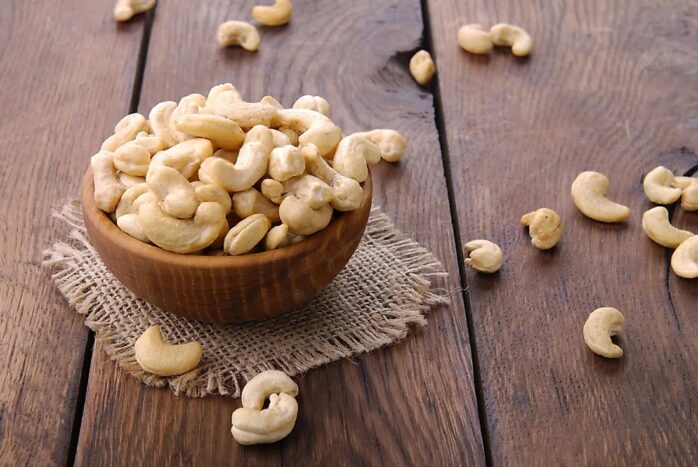
Cashew nuts might seem like an everyday snack, but their journey across the globe reveals unexpected roots, complex trade dynamics, and a rich agricultural legacy.
You’ve eaten them roasted, salted, crushed into butter—but how often have you paused to ask where they come from? This article will walk you through the strange and fascinating routes cashew nuts take before landing in your pantry.
Key Highlights
- Cashew nuts originated in Brazil but spread through colonial trade routes.
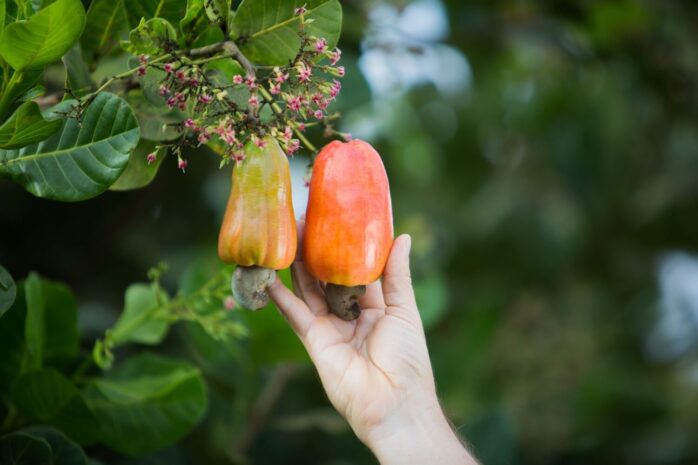
- They are not true nuts but seeds of the cashew apple.
- Major producers include India, Vietnam, Nigeria, and Brazil.
- Cashew farming supports millions of smallholder farmers.
- Quality and grading impact global pricing and sourcing.
- Malaysia plays a rising role in premium cashew exports.
The Roots of Cashew: Where It All Started
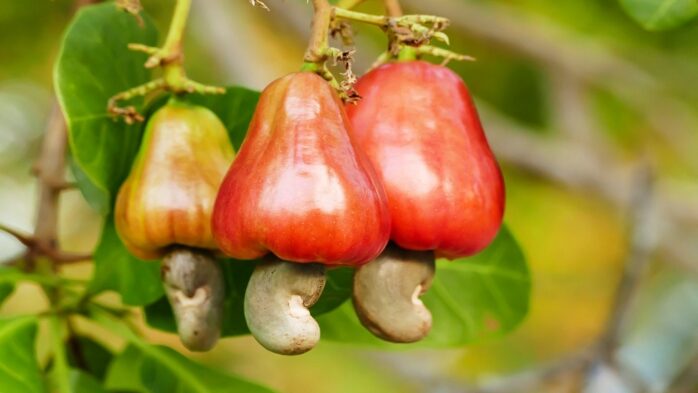
Cashews come from Anacardium occidentale, a tropical tree native to Brazil. The Portuguese were the first to cultivate and export the plant in the 1500s. They introduced cashew trees to India and East Africa, creating new hubs for production that remain vital today.
The nut itself forms underneath a swollen stem called the cashew apple. While the apple spoils quickly and rarely enters export chains, locals in Brazil, India, and parts of Africa turn it into juice, jams, and alcohol.
Cashew production isn’t just about taste. It has deep roots in colonial expansion, trade rivalries, and agriculture policy. Today, Brazil plays a small role in global exports, despite being the origin point.
The Global Cashew Market Today: Country Profiles
Each major region offers a different story. Here’s a closer look at the top players in the cashew market.
India
India stands as one of the largest consumers and processors of cashew nuts. The nut plays a central role in Indian cuisine, featured in sweets, gravies, and snacks across every region. Traditional processing techniques dominate the industry, giving Indian cashews a distinct taste and texture appreciated by many.
The country also exports significant volumes of kernels, supported by government-backed subsidies and export incentives. Though automation is limited, India continues to serve as a vital hub in the global cashew economy thanks to its processing capacity and experienced labor force.
Vietnam
Vietnam has transformed itself into a powerhouse for cashew nut processing. Leveraging advanced automation, factories deliver consistent grading and large-scale output.
The country imports raw cashews from Africa and processes them for global export, with Europe and the U.S. among its biggest buyers.
Efficiency, speed, and scalability make Vietnam highly competitive. While flavor differences exist compared to hand-processed nuts, Vietnam’s model sets the global standard for industrial cashew processing and supply chain management.
Malaysia
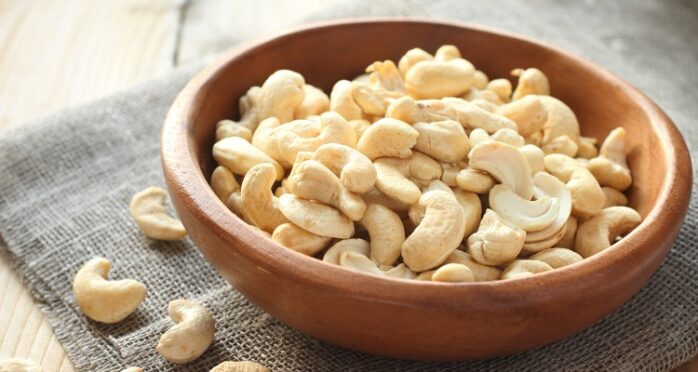
Malaysia has positioned itself as a rising player in premium-grade cashew exports. While not a major raw producer, its strength lies in efficient processing and global distribution. One standout cashew nut supplier is Jannat Asia, located in Kuala Lumpur.
They focus on offering premium-grade cashew kernels—particularly roasted nuts with skin in jumbo W240 and W180 sizes.
Their online platform supports bulk ordering for wholesale and reselling, providing high-grade kernels at competitive rates. Their reach spans across Malaysia, making them a trusted name for quality-conscious buyers.
The country’s online wholesale network makes it easier for businesses to access top-tier kernels at competitive rates.
Buyers prefer Malaysia’s quality assurance, packaging standards, and convenient logistics. Its growing influence reflects a shift in how digital supply chains can elevate niche exporters.
Nigeria
Nigeria leads West Africa in raw cashew production. Smallholder farmers form the backbone of its industry, harvesting nuts for local sale or export.
The country supplies significant volumes to processors in India and Vietnam due to limited domestic capacity.
Infrastructure challenges and processing bottlenecks limit value addition inside Nigeria. However, with rising investment in agricultural development and training, the country aims to grow beyond raw exports and capture more downstream value in the future.
Ivory Coast
Ivory Coast has emerged as a strong competitor in the global cashew market. Backed by government programs, it rapidly expanded cashew farming and introduced local processing initiatives to reduce export dependency.
Despite these efforts, most raw nuts still leave unprocessed. The country’s strategy focuses on long-term investment in equipment, training, and sustainability practices, aiming to shift from just growing to full-scale production and branding.
Brazil
Brazil was the original home of the cashew tree. It still grows cashews domestically, but its presence in the global trade has shrunk.
Farmers sell both the nut and the juice-rich apple, often consumed locally or fermented into spirits.
Cashew production in Brazil remains labor-intensive, and exports have been limited due to competition from more aggressive producers like Vietnam and India.
The country’s cashew industry now leans more toward domestic use than global expansion.
Why Cashews Are Not Technically Nuts
Cashew nuts aren’t real nuts. They’re seeds that grow on the outside of the fruit. Unlike almonds or walnuts, cashew seeds develop in a hard shell filled with toxic oils. This makes harvesting and processing more complex and hazardous.
Workers must roast the shells to neutralize the toxins before extracting the seed. It’s an intense manual process in many countries, though automation helps in places like Vietnam.
The unique structure of the cashew makes it valuable in several ways:
- The nut is dense with protein, fiber, and healthy fats.
- The shell oil is used in industrial lubricants and brake linings.
- The apple offers high vitamin C content and is fermented in local drinks.
This complexity adds to the value and price of cashews on the global market.
The Impact of Grading on Price
Cashew nuts are sold based on grades. The most common types are W180, W210, W240, W320, and W450. These codes refer to the number of nuts per pound.
- W180: Jumbo, expensive, fewer nuts per pound.
- W320: Popular for balanced size and price.
- Splits and pieces: Used in baking, butter, and processed goods.
Higher grades fetch higher prices but also demand more care during extraction. Producers often balance yield and breakage rate to hit profit targets. Wholesale buyers and resellers usually prioritize consistency in grading to ensure retail quality.
Innovations and Market Trends
The cashew industry isn’t static. Innovations shape how producers grow, process, and sell nuts.
Changing Processing Methods
Vietnam has pioneered automation in cashew shelling. This reduces injury and speeds up output. India still uses traditional labor-intensive methods, which produce cleaner taste and texture but come at a cost.
New Product Lines
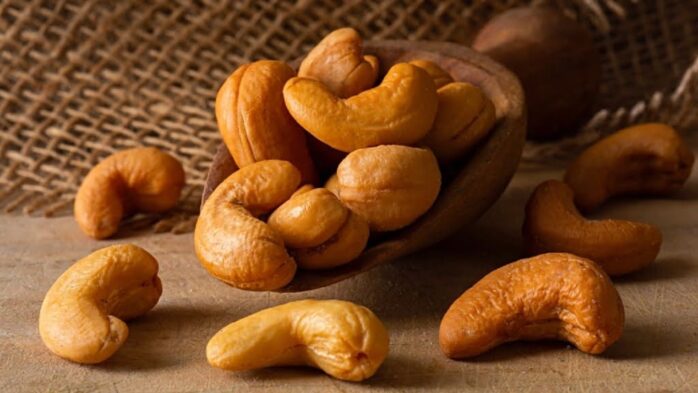
Cashew milk, butter, cheese, and yogurt now fill plant-based aisles worldwide. These value-added products raise cashew demand beyond snacking. Roasted cashews with skin are gaining popularity as well, offering a new flavor and visual appeal.
E-Commerce and Direct Sales
Suppliers now use online platforms to reach global buyers. Brands like Jannat Asia take advantage of digital ordering, sample distribution, and tiered pricing for wholesalers. Direct sales lower costs and improve transparency for quality-conscious buyers.
Final Word
Cashew nuts hold more than flavor—they tell stories of trade, tradition, innovation, and hard labor. Their journey from Brazil to your snack bowl spans continents and cultures. Every kernel carries the imprint of farmers, processors, and traders working behind the scenes.
Whether you’re a casual snacker or wholesale buyer, knowing the backstory adds depth to every bite. Always choose quality, support ethical sourcing, and explore new varieties like roasted cashews with skin or W180 jumbo kernels.
The next time you reach for a cashew, remember—you’re not just eating a nut. You’re tasting history.