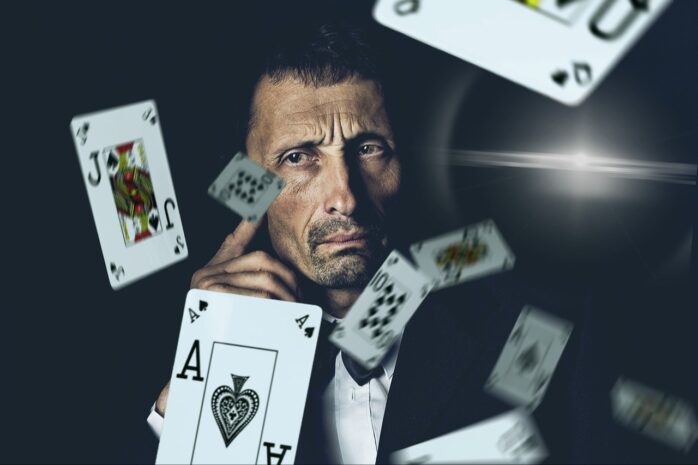
Poker has long been associated with skill, intellect, and the ability to think several moves ahead. The game presents a challenge that goes beyond simple chance. Unlike many other games, where luck determines the outcome, poker rewards those who can analyze situations, read opponents, and make optimal choices. Strategic decision-making plays a central role in every hand, forcing players to evaluate risks and adjust their approach.
The game demands a deep focus on probabilities, pattern recognition, and psychological analysis. Successful players recognize that long-term success depends on skill rather than luck. Many professionals apply principles from mathematics, psychology, and economics to gain an edge. The mental discipline required translates well into fields like finance, trading, and negotiation.
Key Points:
- Poker challenges players to make complex decisions under uncertainty.
- Game Theory Optimal (GTO) strategies help refine a balanced approach.
- Psychological insight plays a major role in determining success.
- Risk assessment skills developed at the table apply in real-world situations.
- Many top business professionals and investors credit poker for sharpening their decision-making.
The Essence of Strategic Depth
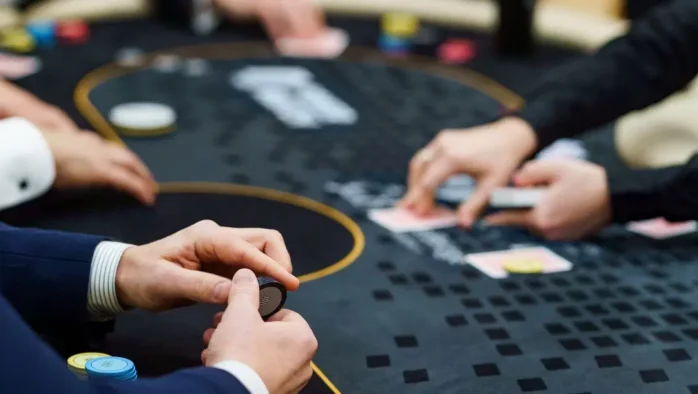
Poker forces players to think critically with limited information. Every action at the table carries weight. A simple bet or fold can influence the course of an entire session. Unlike board games where all details remain visible, poker conceals critical data, leaving players to interpret actions and uncover hidden patterns.
A strong player constantly evaluates several factors:
- Hand strength relative to opponents
- Board texture and likely combinations of cards
- Bet sizing and what it reveals about an opponent’s hand
- Psychological pressure and its effect on decision-making
Each session presents new variables. A winning player never relies on a single strategy but instead adjusts to different situations. The best competitors analyze opponents in real-time, adapting their approach based on observed tendencies. The ability to shift gears based on evolving conditions makes poker a mental battleground suited for those who excel in strategy-based environments.
Game Theory Optimal Strategies and Why They Matter
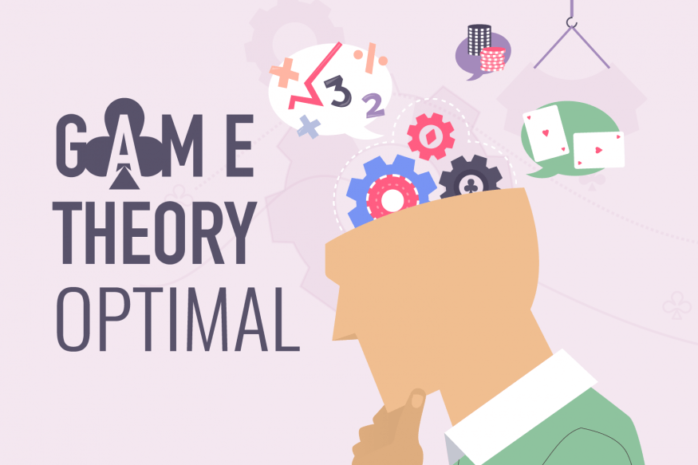
Game Theory Optimal (GTO) strategies provide a foundation for strong decision-making in poker. The concept revolves around creating an unexploitable approach where opponents cannot easily counteract a player’s strategy. GTO prevents predictability, ensuring that actions remain balanced between value bets and bluffs.
A well-structured GTO approach includes:
- Betting in balanced frequencies – Mixing aggressive and conservative play to avoid becoming predictable.
- Recognizing optimal bluffing opportunities – Ensuring that bluffs occur at mathematically correct intervals.
- Adjusting based on opponent tendencies – Shifting between GTO and exploitative play when necessary.
Many professionals study GTO charts and simulations to refine their skills. The ability to implement this approach effectively separates average players from elite ones. A player who masters GTO concepts maintains an advantage over opponents who rely on intuition or emotional decisions.
Psychological Acumen and the Role of Mind Games
Poker extends beyond mathematics. The human element introduces another layer of complexity. Players must interpret body language, betting patterns, and behavioral cues to gain an advantage. Understanding psychology becomes essential for maintaining an edge.
Strong players develop mental resilience. Frustration, stress, and overconfidence can lead to costly mistakes. Self-discipline prevents emotional reactions from clouding judgment. Recognizing an opponent’s mental state allows a player to exploit weaknesses.
Key psychological factors in poker:
- Reading opponents – Observing hesitation, aggression, and betting inconsistencies.
- Emotional control – Avoiding tilt, which leads to reckless decisions.
- Mental endurance – Staying sharp for extended periods without losing focus.
Professional poker players often incorporate mindfulness techniques to maintain focus. Those who master psychological warfare can manipulate the flow of a game without relying solely on the strength of their hands.
Those looking for a professional-grade experience can explore Royal x Casino. The platform offers a variety of high-level poker formats, allowing players to refine their skills in a competitive environment. With a focus on fair gameplay and advanced features, it attracts those who take strategy seriously.
The platform’s commitment to strategic excellence makes it an ideal choice for those who seek both competition and improvement in their decision-making ability.
How Poker Prepares the Mind for Real-World Strategy
The ability to evaluate risks, anticipate future scenarios, and make calculated decisions applies far beyond the poker table. Many investors, traders, and business leaders credit poker for sharpening their ability to assess probabilities and manage uncertainty.
A strong poker mindset enhances:
- Risk management skills – Knowing when to commit resources and when to step away.
- Analytical thinking – Breaking down situations logically to make optimal choices.
- Adaptability – Adjusting to changing conditions without hesitation.
Susquehanna International Group, a top Wall Street trading firm, integrates poker into its training programs. The skills developed at the table mirror those required in financial markets, where reading trends and making calculated decisions determine success.
Conclusion
Poker remains one of the most intellectually demanding games. It requires deep strategic thinking, psychological mastery, and the ability to assess risks under pressure. Those who excel at the game often translate their skills into business, investing, and negotiation. The game teaches valuable lessons about patience, discipline, and the power of making decisions based on incomplete information.
Whether refining Game Theory Optimal strategies or studying human behavior, players develop skills that extend far beyond the felt. The next time a poker hand unfolds, remember—every decision shapes not just the outcome of a session, but also the mental discipline that carries over into everyday life.