
Nevada has a storied history with gambling, making it a unique case in the United States.
Since the early 20th century, gambling has been deeply intertwined with Nevada’s economy and cultural identity.
The legalization of gambling has transformed the state, particularly cities like Las Vegas and Reno, into global entertainment hubs.
Early History and Legalization of Gambling
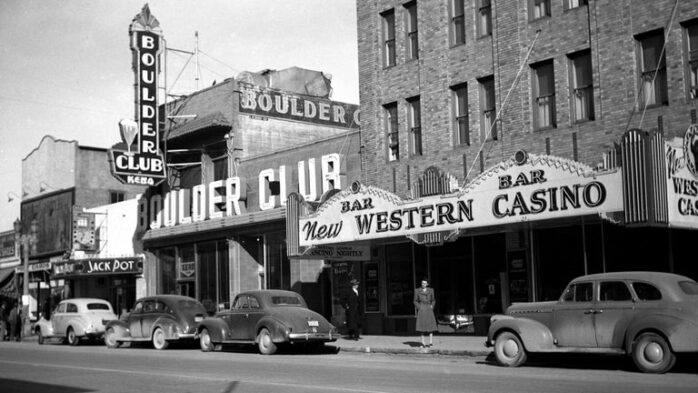
The Great Depression had a profound impact on Nevada, as it did on the rest of the United States. Facing severe economic hardships, the state sought new revenue sources to revitalize its economy.
In 1931, Nevada became the first state to legalize gambling, a bold move aimed at stimulating economic activity.
Before legalization, Nevada’s economy was primarily driven by mining and agriculture, industries that were struggling during the economic downturn. The initial legislation was seen as a lifeline to boost employment and attract visitors.
Despite skepticism and resistance from some quarters, the move laid the groundwork for Nevada’s transformation into a gambling and entertainment mecca.
The legalization marked the beginning of a new economic era, setting the stage for significant growth and development in the decades that followed.
Immediate Economic Impact Post-Legalization

The immediate aftermath of gambling legalization saw a substantial increase in tourism, which had a ripple effect on related industries such as hotels, restaurants, and entertainment.
Cities like Reno and Las Vegas quickly became popular destinations for gamblers, leading to a rapid economic boost.
New jobs were created, and the influx of tourists generated significant revenue for local businesses. However, the early days were not without challenges.
There was initial resistance from those concerned about the social implications of gambling, including potential increases in crime and moral degradation.
The economic benefits soon outweighed the concerns, with the state witnessing a burgeoning tourism sector that provided much-needed economic relief during the Great Depression. The early success laid the foundation for the future expansion of the gambling industry.
Modern Economic Contributions
Today, the gambling industry is a cornerstone of Nevada’s economy, contributing approximately $59.6 billion and supporting over 330,000 jobs.
Tax revenues generated from gambling are a critical component of state funding, particularly for public services like education. Compared to other states, Nevada remains a leader in the gambling industry, both in terms of scale and economic impact.
It has countless brick-and-mortar and online casinos, like Bella Vegas, operating within the state.
While other states have legalized gambling to varying degrees, none match the comprehensive integration seen in Nevada.
The modern gambling industry in Nevada not only fuels the state’s economy but also serves as a significant draw for international tourism, continuing to build on the legacy of growth and innovation established over the past century.
Growth and Expansion of the Gambling Industry

The 1950s and 1960s were periods of remarkable growth and expansion for Nevada’s gambling industry. Major casinos and resorts were developed, transforming the skyline of cities like Las Vegas.
This era saw the emergence of iconic establishments that became synonymous with luxury and entertainment. The involvement of organized crime in the industry during this period is well-documented, prompting efforts to regulate and clean up the sector.
Figures like Howard Hughes played a significant role in this transformation, investing heavily in casinos and helping to drive out criminal elements.
Hughes’ investments signaled a shift towards more corporate and legitimate operations, further boosting the industry’s credibility and appeal.
The expansion during these decades solidified Nevada’s reputation as a premier destination for gambling and entertainment, setting the stage for the massive economic contributions seen in modern times.