
Singapore’s real estate market never stands still. Prices shift, trends evolve, and areas that once flew under the radar suddenly become property goldmines. If you’re serious about investing, buying early in the right area can mean a massive upside later.
But how do you know where to look?
Let’s explore how to identify tomorrow’s most sought-after locations before prices surge and demand explodes.
Key Highlights
- Early indicators often include new MRT stations, urban renewal, or rezoning.
- Government development plans signal long-term growth potential.
- Proximity to business hubs, schools, and green spaces boosts area desirability.
- Developer reputation often reflects the quality and success of a new area.
- Prices typically rise when amenities and connectivity improve.
- Smart investors analyze transaction volumes and rental yields to time entry.
Follow the Infrastructure Money
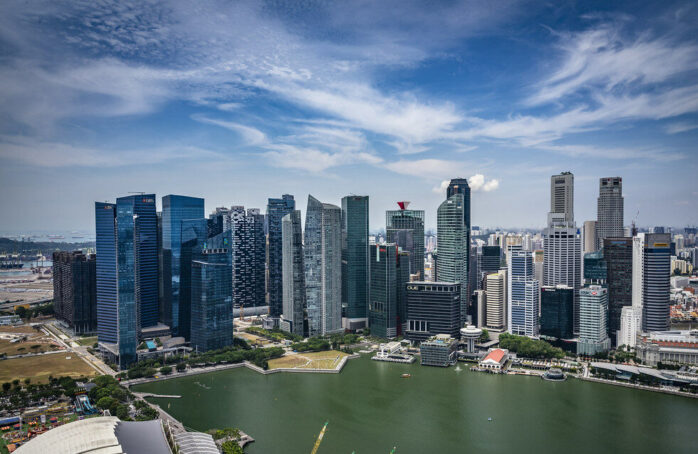
The Singapore government plans decades ahead. When infrastructure spending starts in a neighborhood, that’s your first clue. Look for new MRT lines, expressways, or public transport nodes under development. These tend to increase accessibility and push property values up.
Towns that are part of the Land Transport Master Plan or Urban Redevelopment Authority (URA) transformation zones are usually strong bets. Jurong Lake District, for instance, transformed because of long-term infrastructure and commercial investments.
Once plans are approved and tenders awarded, the timeline tightens. That’s when smart buyers act—before everyone else notices.
Watch What Major Developers Are Building
Leading developers rarely bet on weak locations. When trusted names start launching projects in a new district, it’s time to pay attention.
A strong example is Lyndenwoods, developed by CapitaLand. With a proven history of shaping modern Singapore, CapitaLand’s focus on innovation and sustainability makes their project rollouts a strong indicator of an area’s future rise. Their involvement often marks the beginning of a zone’s transition from ordinary to premium.
Don’t just look at the building. Look at the ecosystem. What’s planned nearby? Is the developer building retail, leisure, or commercial components? Growth often follows a complete vision.
Track Government Master Plans
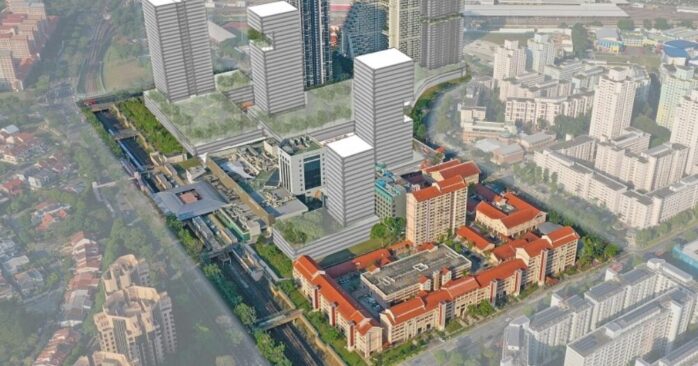
Every few years, URA releases a refreshed Master Plan. This document outlines land use and future zoning intentions. It’s an essential resource for anyone looking to buy ahead of the curve.
Here’s what to scan for:
- New mixed-use zones
- Urban transformation areas
- New educational institutions or parks
- Business and innovation hubs
When the Master Plan earmarks land for future development, surrounding properties usually benefit from long-term appreciation.
Analyze Rental Yields and Vacancy Rates
If rental demand increases in a region, it’s often a sign that the area is gaining attention. Start by checking rental yields. If yields in an area are high and vacancy rates are low, the location is likely heating up.
The chart below displays average resale prices per square foot across five main regions in Singapore as of 2025:
- Central Region remains the most expensive due to its proximity to business districts, premium developments, and established infrastructure.
- East Region attracts strong demand for its mix of lifestyle, airport access, and established communities.
- North-East Region and West Region show moderate prices, indicating balanced development and livability.
- North Region is currently the most affordable, but that also makes it a key area to watch for future growth—especially if new transport or commercial hubs are announced.
Investors often compare such price differences to identify undervalued areas. If a region like the North is significantly cheaper yet undergoing infrastructure expansion, it could offer strong upside. Investors often target locations where:
- Rental demand comes from students, expats, or workers near new industrial parks
- New malls or transport hubs are about to open
- There’s a clear imbalance between housing supply and tenant demand
Rental performance provides hard numbers, not speculation. That gives you a factual way to assess investment potential.
Observe What Happens Around New Launches
New launch pricing often sets the tone for property appreciation in a neighborhood. Compare new launch prices with nearby resale units. If the gap is small, that resale area may soon catch up.
An emerging case is Grand Zyon. Developed through a collaboration between City Developments Limited and Mitsui Fudosan, the project brings Japanese precision and Singaporean market expertise together. The location’s strong developer backing, sustainable features, and integrated layout signal that demand in the area could rise fast. Watch the area surrounding Grand Zyon for price spillovers.
Also, pay attention to how quickly new launches sell. If projects move units rapidly during early sales phases, you’re looking at growing demand. That usually trickles down to older properties nearby.
Look for Commercial Growth and Lifestyle Shifts
Where offices go, people follow. Business parks, high-tech zones, or medical hubs can bring new jobs—and those workers need homes nearby.
Pay special attention to:
- Growth around Punggol Digital District
- Commercial expansion in Tengah or Woodlands Regional Centre
- Tech and health clusters being built in Buona Vista or Novena
In parallel, lifestyle trends drive demand. Places near nature parks, waterfronts, or future lifestyle hubs tend to rise in popularity with younger professionals and families.
Gauge Sentiment Through Transactions and News Cycles
Transaction volume is a live pulse of the market. Check for rising numbers of sales in a district. If more units are changing hands—especially resale units—it’s a strong signal of warming interest.
Media buzz also matters. When news headlines start featuring an area more often, momentum builds. Property portals, forums, and even social media conversations often hint at where interest is turning.
Pay close attention to:
- New condo launches selling out quickly
- Buyers from other districts flocking to previously overlooked towns
- Media spotlight on ‘up-and-coming’ neighborhoods
Once the buzz goes mainstream, the early gains are usually gone. Be there before that.
Conclusion: Early Movers Reap the Rewards
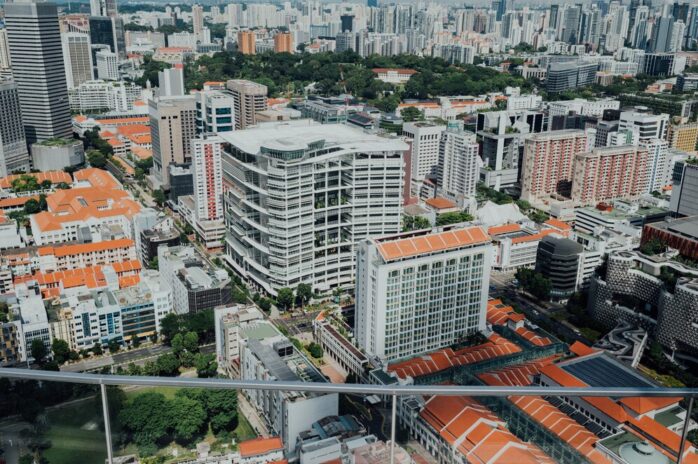
You don’t need luck to spot the next hot area in Singapore’s property market. You need data, foresight, and a sharp eye on development trends. Look at where developers like CapitaLand and CDL are planting their flags. Monitor government plans. Follow infrastructure investments. Analyze rental metrics and market chatter.
By aligning your strategy with these signals, you can make smarter moves—and enter areas before the rest of the market catches up.
The future of Singapore’s property landscape is shaped by planning, not guesswork. Let that guide your next investment.