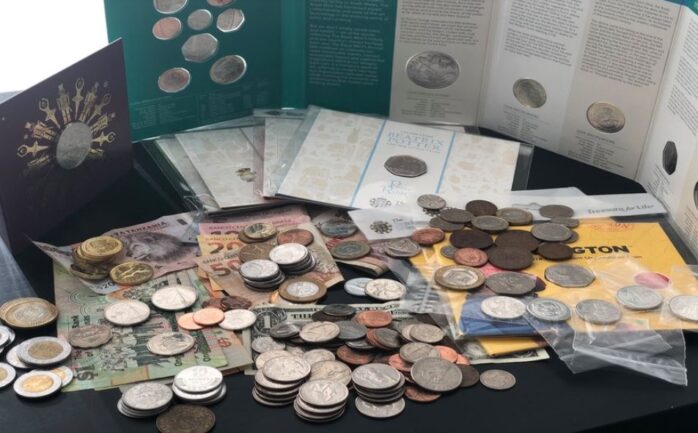
Collecting coins is a fascinating and rewarding hobby that blends history, art, and investment. However, maintaining a coin collection requires careful attention to detail and proper techniques to ensure its value remains intact.
This guide will walk you through the essential steps to care for and preserve your coin collection, ensuring it remains in pristine condition for years to come.
Consider Coin Materials and Their Sensitivities
Coins are made from various metals, such as coins made of silver, gold, and nickel, each with unique properties and vulnerabilities. Understanding the material of your coins helps you determine the best preservation methods.
Copper coins are highly reactive and prone to oxidation and tarnishing. Silver coins are susceptible to tarnishing due to sulfur compounds in the air. Gold coins are the least reactive but still require proper handling to avoid scratches. Nickel coins are durable but can corrode if exposed to harsh environments.
Proper Handling
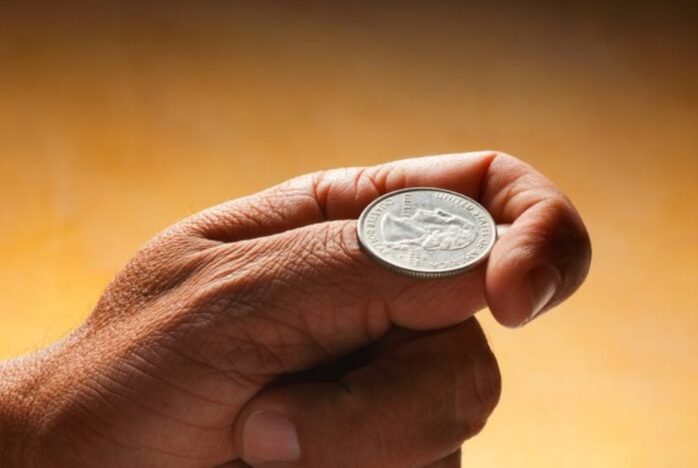
Handling coins properly is crucial to preserving their condition. Always hold coins by their edges to avoid getting fingerprints, oils, and dirt on their surfaces. Wearing cotton gloves can provide an extra layer of protection.
If you need to inspect a coin closely, use a soft, clean cloth to hold it instead of your bare hands. Avoid touching the faces of the coins as much as possible to prevent damage.
Cleaning Your Coins
Cleaning coins is a delicate process and should only be done when absolutely necessary, as improper cleaning can significantly reduce a coin’s value. If you must clean a coin, use gentle methods.
Soak the coin in distilled water to remove loose dirt. For more stubborn grime, use a mild soap with distilled water and a soft brush, gently scrubbing the coin. Rinse the coin thoroughly with distilled water and pat it dry with a soft, lint-free cloth. Avoid using abrasive materials or harsh chemicals that can scratch or damage the coin’s surface.
Storing Your Collection
Proper storage is essential to protect your coin collection from environmental damage. Store coins in a cool, dry place with stable temperatures and low humidity. Use airtight holders or capsules to prevent exposure to air and moisture.
Coin albums and folders with individual slots for each coin can also be effective, but ensure they are made from acid-free materials. Avoid storing coins in PVC holders, as they can release chemicals that damage the coins over time.
Using Desiccants and Silica Gel
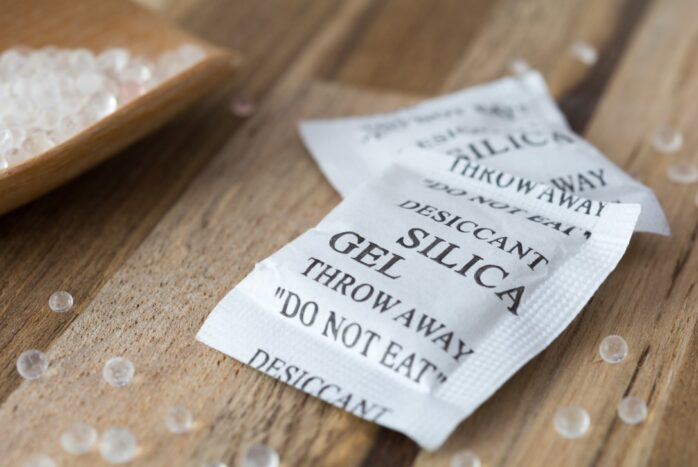
Humidity is a significant threat to coin collections, leading to corrosion and tarnishing. Using desiccants and silica gel packets in your storage area can help control humidity levels.
Place these packets in your coin storage containers or drawers to absorb excess moisture. Regularly check and replace them to ensure they remain effective.
Regularly Inspect Your Collection
Regular inspection of your coin collection is important to catch any signs of damage early. Every few months, examine your coins for signs of tarnish, corrosion, or other issues. If you notice any problems, address them promptly to prevent further damage.
Keeping a detailed inventory of your collection, including notes on the condition of each coin, can help you track changes over time.
Conclusion
Caring for and preserving your coin collection requires attention to detail and the right techniques.
By understanding the materials of your coins, handling them properly, storing them correctly, and regularly inspecting them, you can ensure your collection remains in excellent condition.
Taking these steps will help preserve not only the physical coins but also the historical and monetary value they represent.