Dentistry is stepping into a transformative era where technology drives accuracy, accessibility, and patient comfort.
Artificial intelligence, remote care solutions, and 3D fabrication are not just futuristic concepts anymore; they are rapidly becoming the foundation of modern dental practice.
In 2025, these advancements are predicted to reshape diagnostic precision, treatment efficiency, and overall patient experience.
1. Artificial Intelligence & Image Analysis in Dentistry
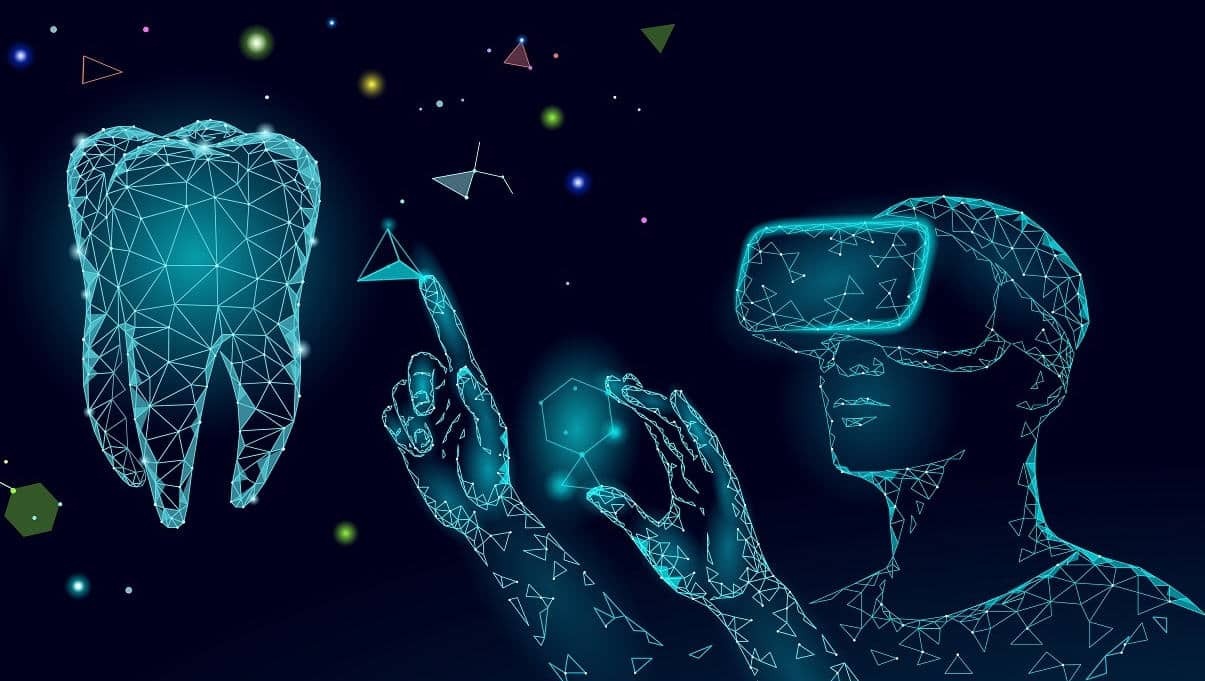
AI has emerged as a key force transforming dental diagnostics and treatment planning. Its ability to process large amounts of data with precision enables dentists to detect conditions earlier and recommend tailored care.
Machine learning algorithms now assist in identifying cavities, root fractures, and signs of oral cancer, minimizing human error and improving clinical confidence.
Several platforms are leading this transformation. WeDiagnostiX uses AI-powered imaging for both 2D and 3D scans, producing accurate visual data that improves diagnosis.
CranioCatch enhances cephalometric analysis and disease screening through automated detection tools.
A growing number of practices are integrating AI-powered solutions such as the Trust AI platform, which assists in diagnostics and predictive care planning, further reinforcing clinical decision-making and patient trust.
In 2025, dentists are expected to rely on AI not only for analyzing images but also for predicting disease progression and optimizing treatment paths.
Faster diagnostic cycles, reduced errors, and personalized oral health recommendations will become everyday expectations in dental clinics.
2. Teledentistry & Remote Care
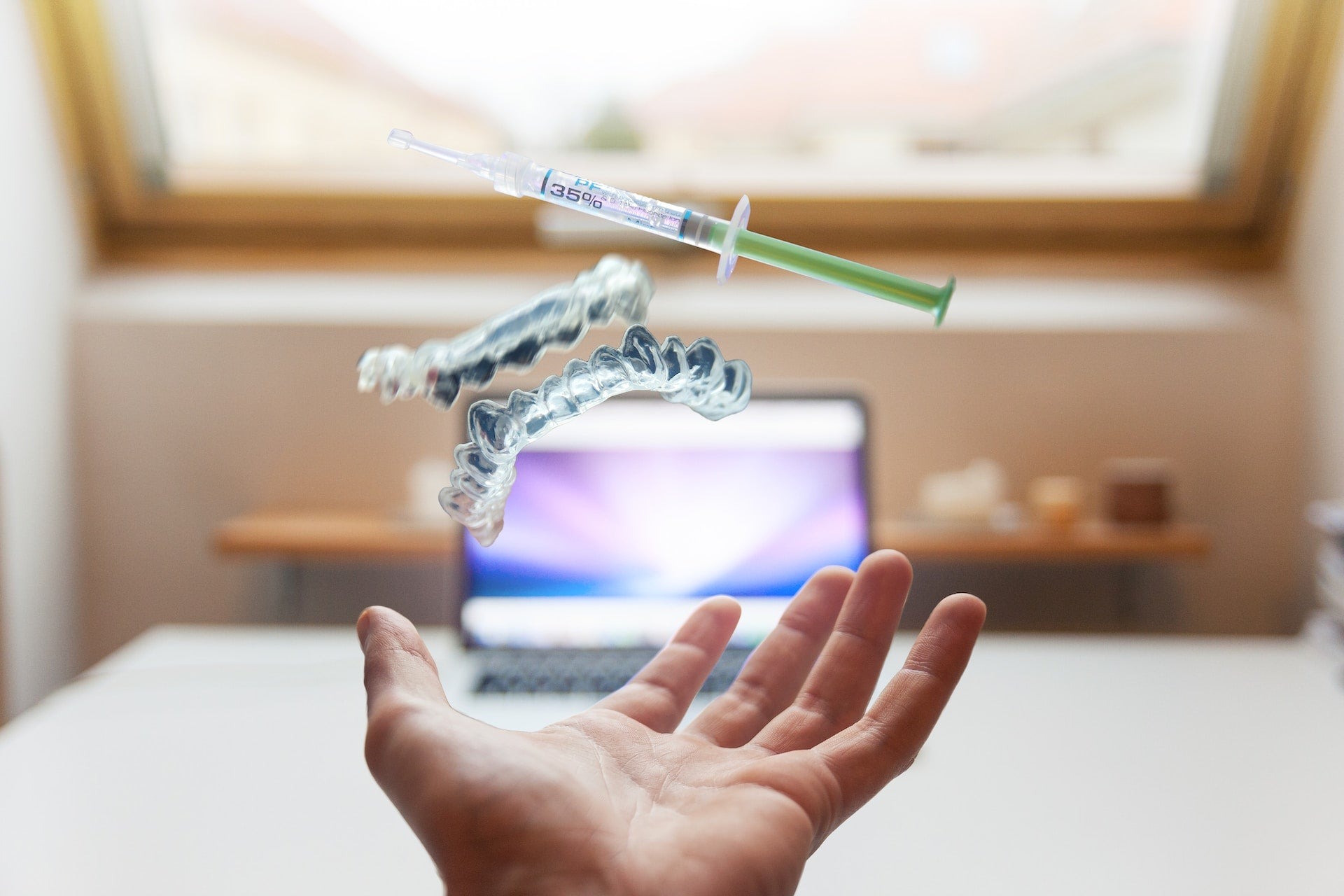
Access to dental care has long been a challenge for individuals in rural areas, the elderly, and those preferring remote healthcare models.
Teledentistry offers a lifeline, allowing patients to receive consultations, diagnoses, and even follow-up care through virtual communication tools.
As post-pandemic habits persist, remote care is set to remain a standard part of dentistry rather than an exception.
Innovative startups are driving this progress. MouthWatch’s TeleDent facilitates video-based exams, secure data exchange, and seamless collaboration between dentists and patients.
Teledentix provides an end-to-end virtual care platform designed for clinics to manage patient communication securely under HIPAA compliance.
Vigident, meanwhile, focuses on elderly care, offering monitoring systems that detect oral issues early in senior facilities.
Remote dental technology enhances accessibility, lowers patient expenses, and ensures that preventive care becomes more consistent.
For many, teledentistry is transforming oral health into a proactive, continuous process rather than an occasional appointment.
The convenience and affordability it offers are set to redefine what patients expect in 2025.
3. 3D Printing & Computer-Aided Fabrication (CAF)
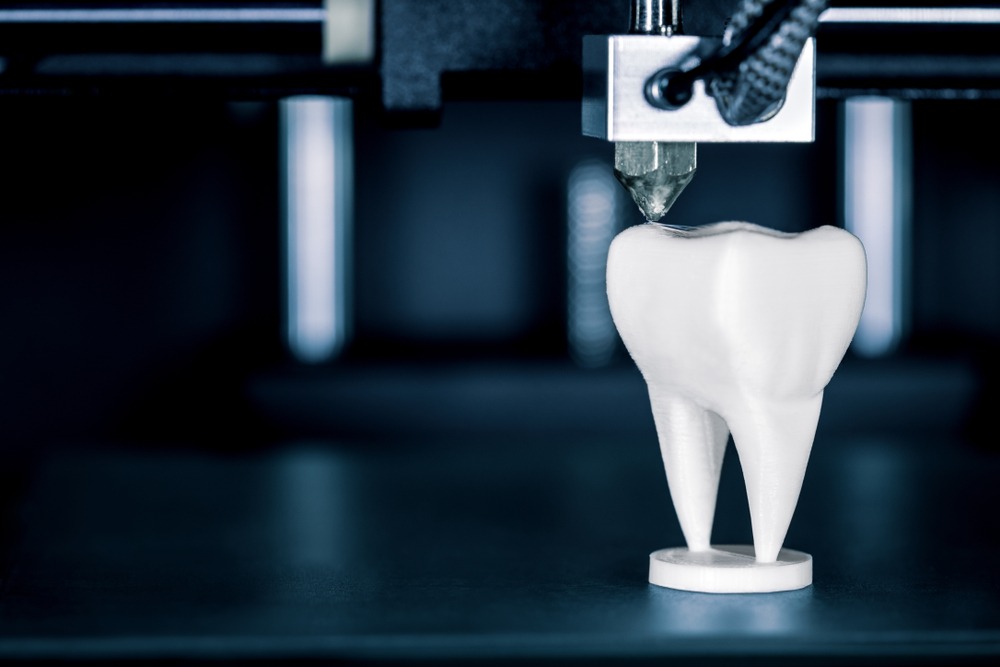
Additive manufacturing has changed how dental restorations are produced. Through advanced 3D printing and CAD/CAM technology, dental professionals can now create crowns, bridges, and aligners in-house within hours instead of weeks.
Customization, speed, and precision are the driving factors that make 3D fabrication indispensable in modern dentistry.
Emerging leaders in this field include 2oneLab, which specializes in high-precision 3D printing for prosthetics.
Hi-Fiber focuses on custom fiber-reinforced structures designed for strength and comfort, while Bitnal and Asvin Tech combine smart scanning and AI-driven modeling to streamline prosthesis production.
Clinics integrating these systems are seeing faster turnaround times and reduced dependency on external dental laboratories.
By 2025, same-day restorations will be commonplace. Fabrication costs will decrease significantly, and patients will benefit from highly personalized dental solutions.
Computer-aided workflows not only improve patient satisfaction but also increase clinic efficiency and profitability.
Summary
Artificial intelligence, teledentistry, and 3D printing are converging to redefine dental care as a tech-driven, patient-centered field. These advancements are enabling faster diagnostics, greater accessibility, and more efficient treatment workflows.
As 2025 unfolds, dental professionals adopting these innovations will be best positioned to lead a new era of precision and care, setting higher standards for both technology and patient outcomes.