
Taking your first sauna session can feel unfamiliar, but it shouldn’t be confusing. If you’re walking into a sauna unsure about how long to stay, what to wear, or how to act inside, you’re not alone. Every wellness journey starts with a first step. This guide will walk you through every part of the sauna experience—without guesswork, pressure, or fluff.
Key Highlights
- Saunas support detox, muscle recovery, and deep relaxation.
- First-time visits need preparation around time, clothing, and hydration.
- Different types of saunas offer different health benefits and heat intensity.
- You should avoid heavy meals and alcohol before your session.
- Using tools like sauna blankets can improve at-home wellness routines.
- Post-sauna recovery helps the body absorb full benefits.
How a Sauna Session Actually Works
Let’s start with the basics of what happens once you step in. Saunas use dry or infrared heat to raise your body temperature. Your heart rate increases. You sweat. Muscles loosen. Stress eases. That’s not marketing—it’s biology.
Inside the sauna, heat surrounds you from all sides. Dry saunas use wood and stone heating elements. Infrared saunas go deeper, using light to warm the body from inside out. Both work, but they feel very different.
A traditional dry sauna has higher air temperatures. You’ll feel the heat the second you walk in. Infrared saunas feel gentler, but they trigger more internal effects over time.
Sweat is just the beginning. With consistent use, your body begins to adapt. Your circulation improves. Skin feels clearer. Tension drops. Even your immune system can benefit from regular exposure.
Use the Right Gear
Many beginners feel unsure about what to wear or bring. The truth is simple: comfort comes first.
- Loose cotton towel or swimsuit works best.
- Water bottle is non-negotiable.
- Leave jewelry behind—it heats fast and can burn.
- Don’t wear lotion, oils, or heavy makeup.
Saunas are designed for minimalism. Less is better.
Before You Step Inside: What to Know and Do
Timing and Preparation
First-timers often ask, “How long should I stay?”
Start with 10 to 15 minutes. Your body isn’t used to extended heat exposure yet. Over time, you can gradually work up to 20 or even 30 minutes if you feel fine. Don’t push through discomfort.
Hydrate before your session. Drink at least one full glass of water. Avoid caffeine and alcohol. Heavy meals right before will reduce the detox benefits and can cause nausea.
Also, don’t go in expecting it to be a passive experience. You’ll sweat. You’ll feel it. That’s the point.
Alternatives at Home
Not everyone has access to a spa-grade sauna room. If you’re building a wellness routine at home, sauna blankets offer a strong alternative. Pure Sweat Spa promotes these as powerful tools to mimic infrared effects—without needing a full sauna buildout.
Sauna blankets work by wrapping the body in infrared heat, triggering deep sweat and tension release. They’re portable, easy to use, and effective for people who need flexible wellness options. Recovery, stress relief, and even weight management can be supported with regular use.
Types of Saunas: What You’re Walking Into

The kind of sauna you choose affects the experience. Here’s what sets each type apart:
Dry Sauna
Dry saunas are the traditional choice. Wooden interiors. High heat. Low humidity. They rely on heated rocks or electric elements. You’ll start sweating quickly, and the air will feel intense.
Good for:
- Muscle tension relief
- Cardiovascular health
- Traditional detox
Infrared Sauna
Infrared heat penetrates deeper into the skin. Lower air temperature. Strong internal benefits. Many people report feeling calm and lighter after just one session.
Good for:
- Chronic pain relief
- Skin clarity
- Lower blood pressure
Steam Room
This is technically not a sauna, but it’s often in the same category. Steam rooms use moist heat. The experience feels softer, but the humidity can feel overwhelming if you’re not used to it.
Good for:
- Respiratory health
- Skin hydration
- Short recovery periods
Sauna Etiquette: What Nobody Tells You
Don’t walk into the sauna unprepared for the silent rules. No one will spell them out, but they matter.
- Always shower before entering.
- Bring a clean towel to sit on.
- Respect silence or quiet conversations.
- Don’t stare. Don’t talk loudly.
- Phones are off-limits.
- Don’t bring water to splash on rocks unless you’re sure it’s allowed.
Most spas and gyms expect you to follow basic hygiene and respect the shared space. Be polite. Clean up after yourself.
Health Benefits You Can Actually Feel
Some effects show up fast. Others take time. Here’s what to expect after your first few sessions.
Immediate Effects
- Relaxation
- Mood improvement
- Muscle ease
- Better sleep the same night
Longer-Term Benefits
- Clearer skin
- Lower blood pressure
- Improved heart health
- Boosted immunity
- Faster muscle recovery
Consistency matters. One sauna session won’t change your life, but regular visits might change your energy, recovery, and sleep for the better.
Who Should Be Cautious?

Saunas are safe for most people, but not everyone.
If you have heart disease, high blood pressure, or any condition affected by heat, speak to a doctor first. Pregnant women should also avoid heat therapy unless specifically cleared.
Signs to leave the sauna immediately:
- Dizziness
- Nausea
- Headache
- Lightheadedness
Never force yourself to stay longer than your body wants. Wellness isn’t about pushing pain. It’s about tuning in and knowing your limits.
What to Do After the Sauna
You just had a session. Now what?
Start with hydration. You’ve lost fluid through sweat. Rehydrate with water or an electrolyte drink. Avoid sugary beverages or alcohol right after.
Take a lukewarm or cool shower. Wash away sweat and open pores. Skip any strong soaps right after; your skin is already detoxing.
Give your body 15 to 30 minutes to cool down. Lie down if needed. You might feel light or sleepy—that’s normal.
Also, avoid heavy workouts right after. Saunas already challenge your cardiovascular system. Let your body recover before doing more.
Making Sauna a Weekly Habit
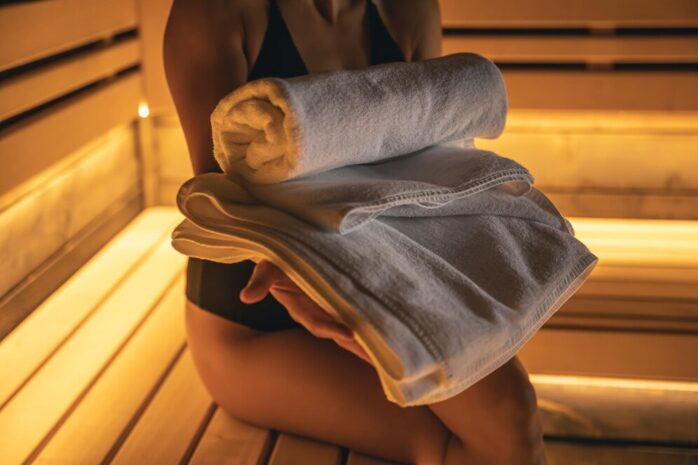
Sauna isn’t a one-and-done experience. Weekly sessions help build resilience, lower stress, and keep circulation in top shape. You don’t need to go every day—2 to 3 times a week works for most people.
If you want to go further, explore spa memberships, home infrared setups, or mobile options like sauna blankets. Investing in your wellness doesn’t have to mean building a custom spa.
Track how your body feels each time. Some people sleep better. Others feel lighter or more clear-headed. Results vary, but one thing stays consistent—your body always notices.
Final Thoughts
Saunas offer more than warmth. They clear your head, recharge your system, and press pause on stress. For first-timers, the most important advice is simple: respect the process, listen to your body, and don’t overcomplicate it.
Your first session won’t be perfect. But it can be powerful if you treat it with intention. Come in prepared. Stay present. Leave refreshed. The next time you walk in, you’ll feel like you belong there.