Navigating the complexities of Singapore’s real estate scene has never been more intriguing than in 2025. With economic pressures mounting, the interplay between inflation and interest rates has placed the property market under a microscope.
Buyers, sellers, and investors are rethinking strategies as they grapple with fluctuating prices and changing policies. Here’s how these forces are impacting decisions across the board.
Key Points
- Inflation and its ripple effects on housing prices.
- Interest rates reshaping affordability for buyers.
- Government policies guiding the property landscape.
- Global comparisons offer insights into local challenges.
- Strategies for navigating the current market climate.
Inflation and Its Impact on Housing Prices

The rising cost of living has a domino effect on real estate. Inflation influences everything from construction materials to developer financing, ultimately driving up property values. In Singapore, developments like Orie are examples of modern, integrated living spaces that cater to evolving market demands.
With renowned developers like City Developments Limited (CDL), Frasers Property, and Sekisui House, buyers are assured of quality. However, inflationary pressures are prompting developers to reassess project costs, often passing those increases onto consumers.
Globally, similar trends are visible. For instance, cities like New York and London have seen housing prices spike due to inflation, providing a benchmark for how urban hubs handle such challenges. Singapore’s property ecosystem, though unique, reflects these global patterns.
Interest Rates Redefining Affordability
Borrowing costs directly influence affordability. With interest rates climbing, buyers face higher monthly payments, pushing some out of the market entirely. Mortgage rates have been steadily adjusted in response to global central bank decisions, leaving many to consider renting over buying.
- Higher borrowing costs ─ Monthly mortgage expenses have risen significantly.
- Investor hesitation ─ Short-term buyers are holding back, reducing market activity.
- Shift toward smaller units ─ Compact living spaces are gaining popularity due to cost concerns.
Government Policies and Their Role
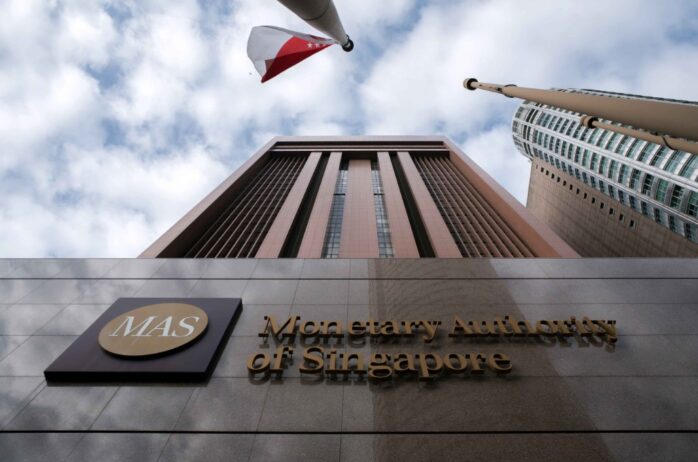
The government has implemented measures to curb excessive price hikes and keep housing accessible. Cooling measures, such as stricter loan-to-value limits and increased stamp duties for non-residents, aim to stabilize the market. These policies reflect a commitment to balanced growth rather than speculative activity.
Cooling Measures Breakdown
- Increased stamp duties ─ Targeting foreign buyers to reduce speculative demand.
- Loan limits ─ Ensuring affordability remains a cornerstone of housing policies.
- Public housing support ─ Offering more grants to eligible families, easing entry into the market.
While such interventions may frustrate some investors, they create opportunities for long-term stability.
Global Comparisons ─ Lessons from Other Markets
Singapore is not alone in tackling these challenges. Cities with high population densities and limited land, like Tokyo or Hong Kong, face similar constraints. Comparing these markets reveals strategies that may work locally. For instance, Japan’s focus on eco-conscious housing through developers like Sekisui House offers lessons in sustainable growth.
Additionally, Europe’s approach to rent caps and affordable housing could inspire future policies. By integrating global best practices, local real estate stakeholders can navigate current pressures effectively.
Strategies for Navigating the Current Market Climate
Adapting to the property market in 2025 requires foresight and strategy. Buyers, sellers, and investors must stay informed and flexible to make the most of opportunities.
Steps to Take:
- Analyze trends ─ Study how inflation and interest rates influence different market segments.
- Consider renting ─ Evaluate renting as a short-term solution while waiting for better buying conditions.
- Focus on location ─ Prime areas with strong connectivity remain resilient during economic shifts.
- Explore integrated developments ─ Combine convenience and modernity, appealing to diverse buyers.
Why Sustainable Development Matters

Modern buyers are looking beyond cost and aesthetics, focusing on sustainable living. The demand for green solutions underscores a growing awareness of environmental and economic challenges.
The future outlook remains uncertain as global economic factors continue to shift. However, certain trends are clear:
- Sustainable projects will dominate buyer preferences.
- Compact, affordable units will see higher demand.
- Government policies will remain central to shaping market stability.
Conclusion
Economic forces like inflation and interest rates are reshaping real estate decisions in 2025. By understanding the dynamics at play and staying informed, stakeholders can navigate the complexities of Singapore’s property market with confidence. Whether investing in developments or exploring alternative strategies, the key lies in adaptability and informed decision-making.