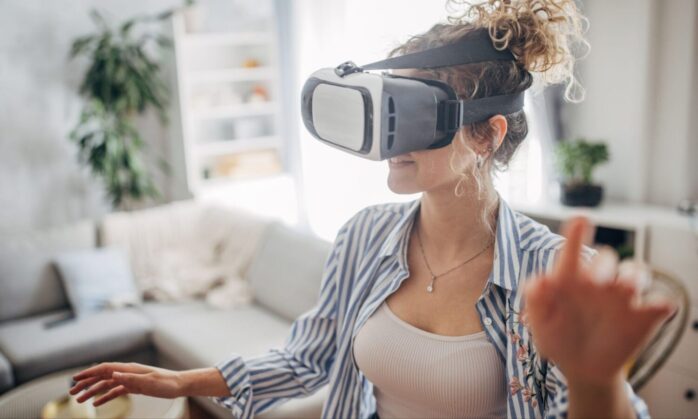
Virtual reality (VR) technology has rapidly evolved, capturing the imaginations of gamers, educators, and businesses alike. As VR becomes more accessible and versatile, many in the UK are weighing the costs and benefits of renting versus buying VR equipment.
Whether for personal entertainment, corporate training, or immersive marketing, understanding the financial implications of these options is crucial.
The Growing Demand for VR

The demand for VR in the UK is surging. According to a report by PwC, the UK’s VR market is expected to reach £1.2 billion by 2025.
This growth is driven by diverse applications, from gaming and education to healthcare and real estate. As the technology becomes more sophisticated, both individuals and organizations are eager to tap into its potential.
Upfront Costs: Buying VR Equipment
Purchasing VR equipment involves significant upfront costs. High-end VR headsets like the Oculus Rift S, HTC Vive Pro, or Valve Index range from £400 to £1,000 or more.
Additionally, a powerful PC is often required to run the latest VR applications, which can add another £800 to £2,000 to the initial investment.
For a complete setup, accessories such as motion controllers, tracking sensors, and even VR-ready laptops can further inflate the price.
A full VR kit for a professional setting might easily exceed £3,000. While this investment grants ownership and long-term use, the high initial cost can be a barrier, particularly for small businesses or casual users.
Ongoing Costs: Maintenance and Upgrades
Owning VR equipment isn’t a one-time expense. Technology advances rapidly, and VR gear is no exception. Regular maintenance, software updates, and eventual hardware upgrades are essential to keep the equipment functional and up-to-date.
For instance, the average lifespan of a VR headset is around three to five years. With new models and features being released regularly, staying current often means purchasing new equipment every few years. This cycle can be costly, with each upgrade potentially costing hundreds or even thousands of pounds.
The Case for Renting VR Equipment
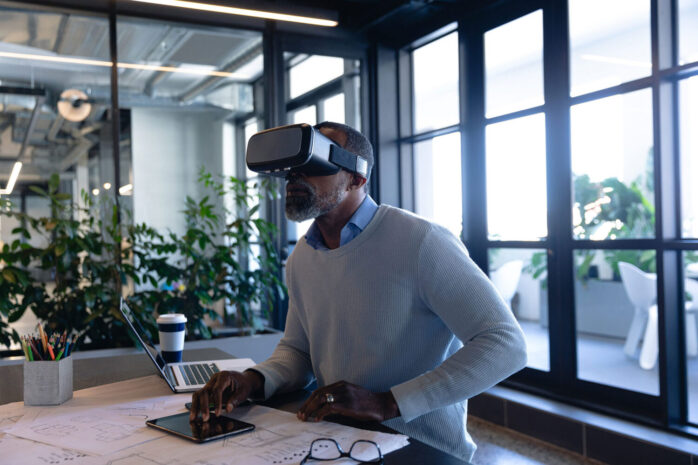
Renting VR equipment offers a flexible and cost-effective alternative. Rental services provide access to the latest technology without the burden of ownership. This model is particularly appealing for short-term needs, such as corporate events, training sessions, or marketing campaigns.
Cost-Effectiveness for Events and Short-Term Use
For one-time events or limited-duration projects, renting is significantly cheaper than buying. VR team building games, for instance, can enhance corporate retreats or workshops without the need for a permanent investment in equipment. Rental companies often offer packages that include setup and technical support, ensuring a smooth and hassle-free experience.
Rental rates vary depending on the type of equipment and duration. On average, renting a high-end VR headset can cost between £50 and £150 per day. For longer rentals, such as a week or a month, the daily rate typically decreases, making it more economical. This flexibility allows businesses and individuals to tailor their VR usage to their specific needs and budgets.
Access to the Latest Technology
One of the primary advantages of renting is access to cutting-edge technology. Rental companies frequently update their inventory to include the latest models and accessories. This ensures that users can experience the newest advancements without the need for constant upgrades.
For instance, if a company wants to showcase the latest VR experiences at a trade show, renting allows them to present state-of-the-art technology without the substantial investment in new gear. This access can be particularly beneficial for industries where staying on the cutting edge is crucial.
Comparing Total Costs: Renting vs. Buying
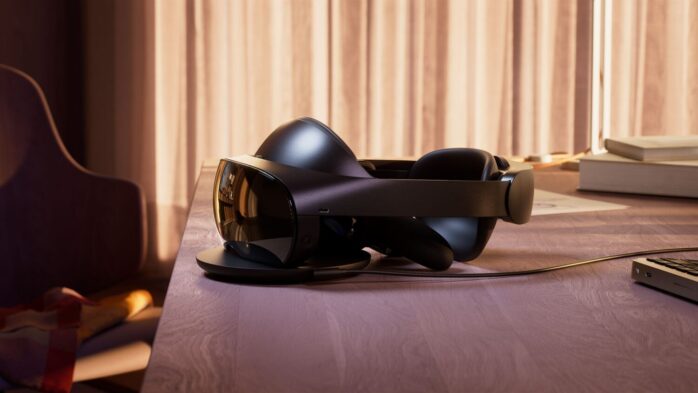
To make an informed decision, it’s essential to compare the total costs of renting versus buying over time. For individuals or businesses that require VR equipment sporadically, renting is generally more cost-effective. Let’s break down a few scenarios to illustrate this point:
Scenario 1: Corporate Training Events
A company plans to use VR for quarterly training events. Each event lasts two days, and the company needs five high-end VR setups.
- Buying: The initial cost for five setups (including headsets, PCs, and accessories) could be around £15,000. Additional costs for maintenance, software updates, and potential upgrades over five years might total another £5,000, bringing the total to £20,000.
- Renting: Renting five setups for two days at £100 per setup per day would cost £1,000 per event. Over five years (20 events), the total rental cost would be £20,000.
In this scenario, the costs are comparable, but renting eliminates the need for maintenance and upgrades.
Scenario 2: Marketing Campaign
A marketing agency needs VR equipment for a one-month campaign to promote a new product. They require three high-end setups.
- Buying: The cost for three setups might be around £9,000. Considering the campaign’s short duration, the full purchase cost is a significant expenditure.
- Renting: Renting three setups for a month at a discounted rate of £1,000 per setup would total £3,000.
Here, renting saves £6,000, making it the clear choice for a short-term need.
The Flexibility Factor
Renting offers unparalleled flexibility. Businesses and individuals can scale their VR usage up or down based on demand. This is particularly beneficial for industries with fluctuating needs. For example, an architecture firm might need VR equipment only for specific client presentations or project phases. Renting allows them to access the technology when needed without a permanent investment.
Moreover, rental services often provide comprehensive support, including delivery, setup, and technical assistance. This ensures that users can focus on their VR experiences without worrying about logistics or troubleshooting.
Long-Term Considerations: When Buying Makes Sense
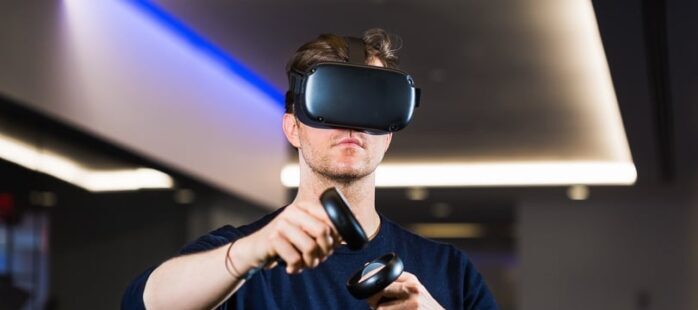
While renting is advantageous for short-term or sporadic use, buying can be more economical for long-term, consistent needs. Educational institutions, VR arcades, and businesses with ongoing VR programs may find ownership more cost-effective in the long run.
For instance, a university integrating VR into its curriculum might use the equipment daily. In such cases, the initial investment can be justified by the extensive use, and the total cost of ownership may be lower than renting over several years.
Additionally, owning the equipment allows for customization and control. Users can modify hardware, install specific software, and have unrestricted access without relying on rental availability. This autonomy can be crucial for specialized applications.
Evaluating Your Needs: Key Questions to Ask
To decide between renting and buying, consider the following questions:
- How frequently will you use the VR equipment?
- What is your budget for initial investment and ongoing costs?
- Do you need the latest technology for each use?
- How important is flexibility and support from rental services?
- Are there specific customization needs that require ownership?
Choosing between renting and buying VR equipment in the UK depends on various factors, including frequency of use, budget, and specific needs.
Renting offers flexibility, access to the latest technology, and cost savings for short-term or sporadic use. Buying, on the other hand, can be more economical for long-term, consistent use and provides greater control over the equipment.
As the VR market continues to grow, both options remain viable depending on individual and organizational requirements. By carefully evaluating your needs and considering the total costs, you can make an informed decision that maximizes the benefits of this exciting technology.
Whether you’re diving into VR team building games, launching a marketing campaign, or integrating immersive learning experiences, understanding the financial implications of renting versus buying will help you make the most of your investment in the UK’s dynamic VR landscape.