
Rising fuel prices and tighter margins are forcing fleet operators to focus on efficiency. Fuel often ranks among the largest operational expenses in fleet management. Pressure on budgets makes every gallon count.
A combination of technology, disciplined operations, and smarter fueling practices is necessary in 2026.
Companies that act on multiple fronts can lower costs while improving productivity and reliability.
Today, we will point out proven methods that reduce fuel expenses and strengthen overall fleet performance.
1. Switch to Mobile On-Site Fueling Services
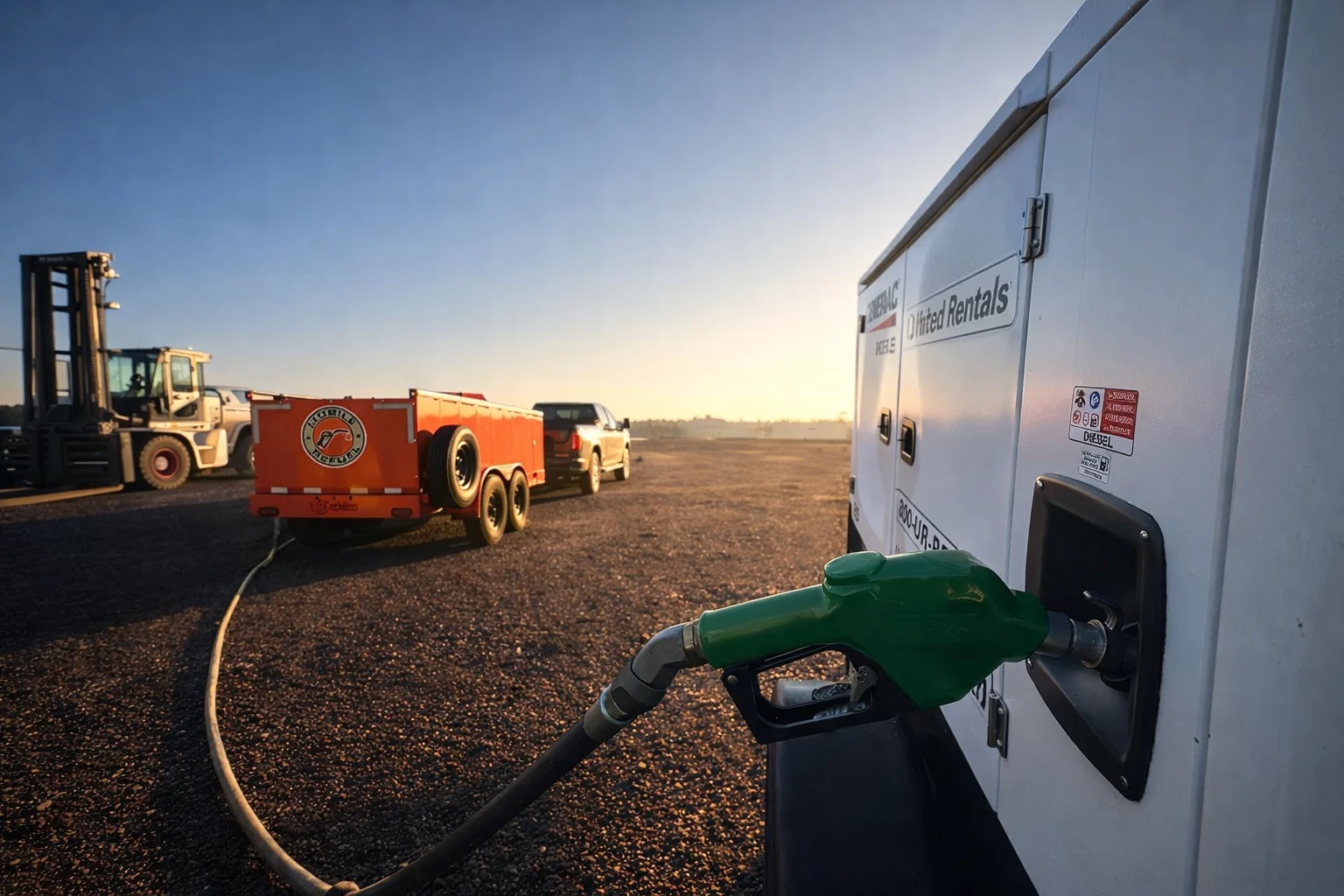
Mobile on-site fueling delivers fuel directly to vehicles at a company’s location.
Providers like Anytime Fuel Pros allow fleets to streamline fueling without relying on traditional gas stations.
Drivers no longer need to visit gas stations, removing a major source of wasted time and fuel.
Several cost-saving factors make an immediate impact:
- Controlled fuel delivery reduces theft and eliminates unauthorized purchases
- Driver downtime tied to refueling is removed, increasing productive hours
- Less idling and fewer route deviations reduce unnecessary fuel burn
- Bulk purchasing often secures lower per-gallon pricing through negotiated rates
Operational efficiency also improves across daily workflows. Centralized tracking provides clear visibility into fuel usage across the fleet.
Overnight or off-hour fueling ensures vehicles are ready at the start of each shift. Fewer unnecessary trips reduce wear and tear on vehicles.
Strong performance comes from a dual impact. Fuel consumption decreases while labor efficiency improves, creating measurable savings across multiple areas of the operation.
2. Implement Advanced Telematics and Fuel Monitoring Systems
Telematics systems provide detailed insight into how fuel is used across a fleet. GPS tracking and onboard diagnostics allow managers to monitor performance at a granular level.
Real-time visibility makes it easier to detect inefficiencies and unusual activity. Fuel theft or misuse can be identified quickly.
Route performance can be reviewed and adjusted to reduce unnecessary mileage.
Accountability improves across the entire fleet. Drivers become more aware of performance metrics, which often leads to improved habits over time.
Recent advancements introduce AI-powered analytics that forecast fuel usage and recommend adjustments.
Predictive insights allow managers to address inefficiencies before they escalate.
3. Optimize Routes and Reduce Idle Time

Route optimization software reduces distance traveled, avoids traffic congestion, and limits empty miles. Efficient routing leads to lower fuel consumption and faster delivery times.
Idle time remains a major source of fuel waste that often goes unchecked.
Engines running without movement consume fuel without adding value.
Several methods help reduce this issue:
- Automatic engine shut-off systems
- Clear driver policies that limit idle time
- Monitoring tools that flag excessive idling
Impact can be substantial. Idling alone can consume large amounts of fuel annually.
Improved routing often delivers double-digit reductions in fuel usage, especially in fleets with complex delivery patterns.
4. Improve Driver Behavior Through Training and Incentives
Driver behavior has a direct effect on fuel efficiency. Small adjustments in driving habits can lead to consistent savings across the fleet.
Training efforts should focus on key behaviors that influence fuel usage:
- Smooth acceleration and controlled braking
- Maintaining steady speeds
- Avoiding unnecessary idling
Performance tracking tools such as driver scorecards provide measurable feedback. Incentive programs tied to fuel-efficient driving encourage consistent improvement.
Drivers who see direct rewards are more likely to adopt better habits.
Fuel savings linked to behavior changes typically range between 5% and 15%. Gains often increase as efficient driving becomes routine.
5. Maintain Vehicles and Transition to Fuel-Efficient Technologies
Regular maintenance plays a key role in fuel efficiency. Proper tire inflation reduces rolling resistance. Engine tuning ensures optimal performance. Routine oil changes keep engines running smoothly.
Fleet upgrades also contribute to lower fuel costs. Hybrid and electric vehicles offer reduced fuel consumption where operational conditions allow.
Replacing older vehicles with more efficient models leads to long-term savings.
Additional improvements include aerodynamic enhancements and the use of lightweight materials. Reduced drag and lower vehicle weight both contribute to improved fuel economy.
Reliable, well-maintained vehicles consume less fuel and experience fewer breakdowns, which supports consistent operations.
Summary
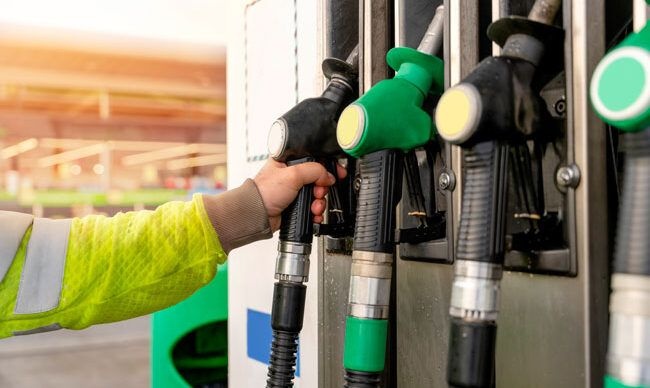
Reducing fleet fuel costs in 2026 requires a layered approach. Telematics, driver behavior, maintenance, and routing all play critical roles in improving efficiency.
Mobile on-site fueling delivers the fastest and most comprehensive impact. Combined with other methods, it creates a strong foundation for cost reduction and operational improvement.
Companies that apply these strategies together can achieve meaningful savings while maintaining high performance across their fleets.