Owning a truck is rewarding but costly. Parts wear down, things go wrong, and you’re often left staring at a sky-high repair bill.
But don’t worry; you don’t always have to shell out loads of cash. By taking a little DIY approach, you can handle many fixes without dropping your hard-earned money at the repair shop.
Here’s what we’ll cover:
- Practical ways to reduce repair costs
- Simple maintenance hacks for everyday truck issues
- DIY steps to keep your truck running smoothly
- Hacks to spot problems before they get serious
- Tips on where to find reliable parts
- Essential Maintenance Hacks for Truck Owners
1. Get Quality Parts Without the Big Price Tag
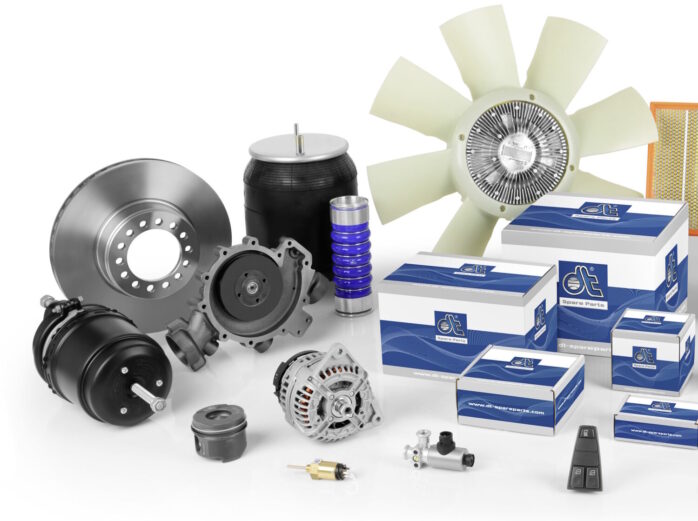
Cheap parts lead to quick breakdowns, which is why you need durable, high-quality parts. But that doesn’t mean spending a fortune. EverTrust Parts offers reliable, budget-friendly parts that won’t leave you stranded on the roadside.
Their selection makes sure you get value without compromise.With parts built to last, you’ll save on replacements and keep your truck running longer. A good part pays for itself by cutting down on unexpected repairs and downtime.
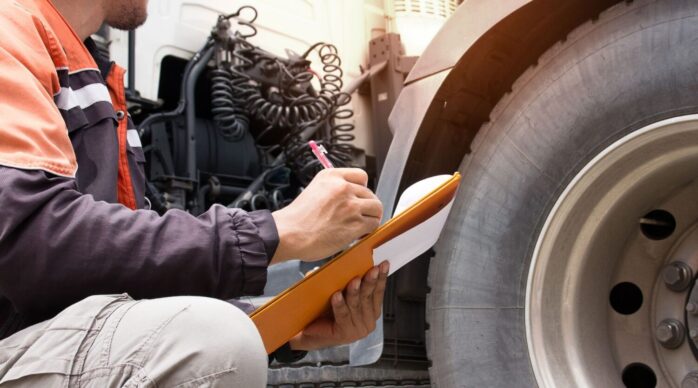
2. Keep Tires in Check
Your tires take the brunt of every mile, and if they’re not in good shape, you’re in for a rough ride and poor fuel economy. Instead of paying someone, grab a tire gauge. Keep tire pressure at the recommended level. Rotate them regularly to get an even wear pattern, and you’ll extend their life by months, even years.
Tires with proper pressure and rotation not only improve handling but also reduce the risk of blowouts on long hauls. Investing a few minutes in tire checks can save you from unexpected roadside breakdowns and keep your truck rolling smoothly.
Pro Tip: Check tire treads with a penny. Place it in the tread with Lincoln’s head facing you. If you see the top of his head, you need new tires.
3. Handle Oil Changes at Home
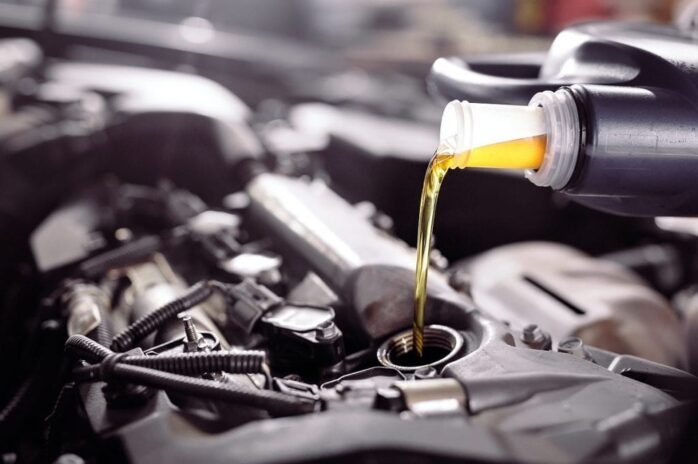
Oil changes seem simple, but many people head straight to the mechanic. By changing it yourself, you save on labor costs. Get the right oil grade for your engine and a high-quality filter. Lay down a tarp or cardboard, drain the old oil, and replace the filter. Pour the new oil in, and you’re good to go. Double-check the oil level with the dipstick to ensure it’s topped off correctly.
Quick Tip: Make sure the engine is cool. Hot oil will burn your hands if you’re not careful.
4. Battery Maintenance: More Important Than You Think
Batteries aren’t the most exciting part, but keeping yours in good shape can save you from costly replacements. Clean the terminals to prevent corrosion, and ensure connections are tight. Carry jumper cables in case it dies unexpectedly.
Here’s how to make sure your battery stays reliable: park in a garage during winter months to prevent cold weather from draining the charge. Also, if your truck sits idle for weeks, consider a trickle charger to keep the battery topped up.
Tip for Better Battery Life: Once in a while, drive for a bit at higher speeds. This charges the battery more efficiently than short trips.
5. Fixing Small Scratches Yourself
Nothing feels worse than seeing a scratch on your truck. Professional paint jobs are pricey, but for small scratches, there’s a quick fix. Find matching paint at an auto parts store, then gently sand the scratch. Apply paint with a fine brush, allow it to dry, and finish with polish. For deeper scratches, add a primer layer before applying the paint.
Pro Tip: Wax the area afterward to protect it against future scratches and add extra shine, blending it with the original finish.
6. Check and Refill All Fluids Regularly
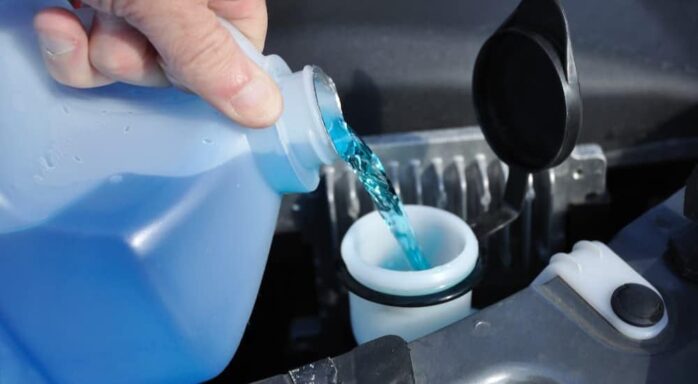
Running low on fluid isn’t only bad for your truck; it’s bad for your wallet. Check everything: brake fluid, coolant, transmission fluid, and windshield wiper fluid. Top them off to avoid wear and tear on essential parts.
Low coolant can lead to overheating, while neglecting brake fluid risks serious damage to the braking system. Set a regular reminder to check fluid levels, so you avoid costly repairs and keep your ride smooth.
7. Air Filter Replacement
Air filters catch all the dust and grime before it reaches your engine, but they get clogged fast. Replacing them isn’t hard or expensive, and it improves fuel efficiency. Just pop open the air filter cover, swap out the old one, and close it back up.
A clean filter means better airflow, which helps the engine perform at its best. Plus, a fresh filter can boost your gas mileage, saving you money in the long run.
Quick Tip: Avoid shaking out your old air filter to ‘clean’ it. It doesn’t work, and the engine pays the price.
8. Inspect Belts and Hoses
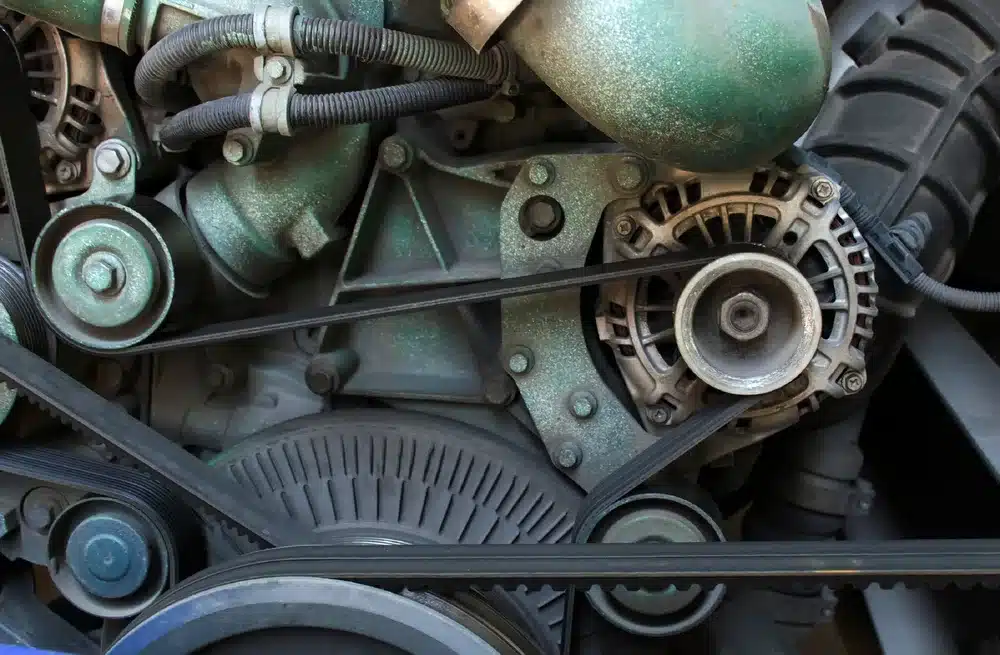
Belts and hoses are essential, yet they’re often ignored. Worn-out belts and cracked hoses can cause breakdowns that lead to major repairs. Look for cracks, splits, or fraying on belts, and replace them if needed. Check hoses for leaks by squeezing them gently—if they feel too soft or brittle, it’s time for a replacement.
Helpful Hint: Tighten any loose belts to avoid slipping. Check them in the morning before driving, so they’re not hot and are easier to inspect.
Prevent Problems Before They Start
Most expensive repairs can be avoided with preventive action. Catch issues early by checking things regularly:
- Inspect tires for nails or cracks
- Clean battery terminals to avoid corrosion
- Look for oil spots on your driveway
- Listen for unusual sounds when driving
FAQ
How often should I change my oil?
Every 5,000 miles, unless your manual suggests otherwise. Always check the dipstick to see if it looks dark or gritty.
What’s the best way to keep my truck’s paint from scratching?
Regular waxing helps protect the paint. Avoid parking under trees and bushes.
Can I use any oil for my truck?
No, check your owner’s manual for the recommended type. Using the wrong oil can damage your engine.
Do I need to replace my brake pads?
Yes, replace them when they get thin or make squealing sounds. This prevents damage to rotors and costly repairs.
How often should I rotate my tires?
Every 6,000 miles to extend the life of your tires and ensure they wear evenly.