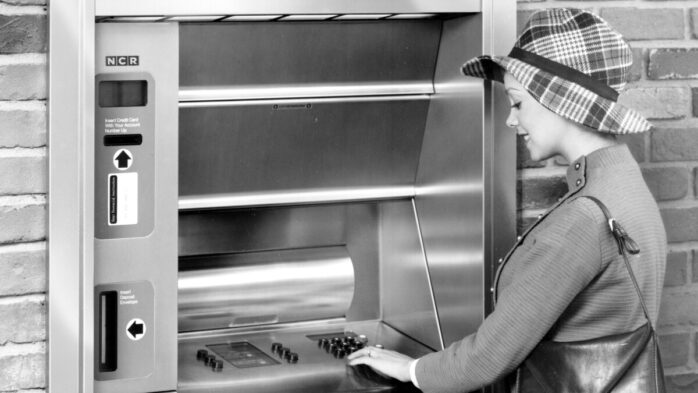
What if I told you that the device we often ignore at gas stations and convenience stores once caused a revolution in banking? In the 1960s, the idea of withdrawing cash without stepping inside a bank was groundbreaking. Fast forward to today, and these devices have morphed into digital hubs capable of more than just handing out cash. The transformation has been driven by security demands, technological innovations, and the ever-changing needs of consumers.
Key Points:
- Early devices were simple cash-dispensing tools.
- Security concerns shaped their development.
- Modern devices offer digital services beyond cash.
- The future points to cardless, biometric technology.
The Humble Beginnings of Cash Dispensers
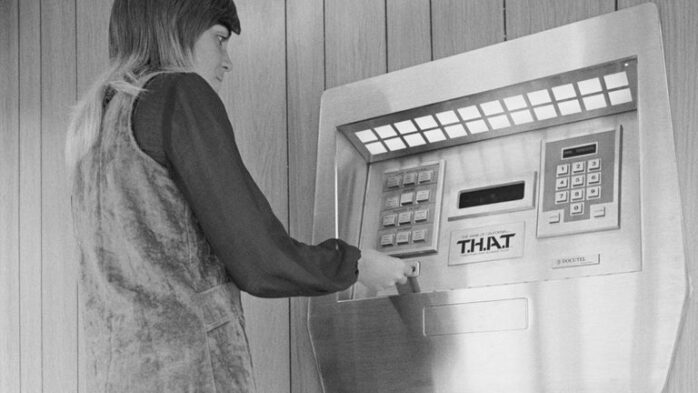
The first version of what we now recognize as an ATM appeared in the late 1960s. It was a basic cash dispenser, serving one function: giving people their money outside of banking hours. Simplicity was its charm, but its limitations were clear. Users could only perform single transactions, and the system lacked integration with broader banking networks.
These early devices were mechanical marvels for their time, relying on paper vouchers and limited software to function. The concept was born out of a simple problem: people needed access to their money beyond the restrictive 9-to-5 banking hours. The first widely recognized machine was installed by Barclays Bank in London, and it operated using special checks and a personal identification number. Despite its basic nature, it sparked a financial revolution.
Security Concerns and Technological Advances
As more people trusted these devices, security became a priority. Early versions were vulnerable to fraud, prompting innovations like PIN codes and encryption. This shift wasn’t just about technology; it was about building public confidence. Security upgrades turned these devices into reliable points of transaction, paving the way for broader use.
The introduction of encrypted PINs drastically reduced unauthorized access. In parallel, banks and technology firms began to integrate anti-skimming devices, secure data encryption, and real-time monitoring systems. Each upgrade was a response to evolving security threats, ensuring that users felt safe trusting machines with their financial transactions.
More Than Just Cash: The Rise of Digital Hubs
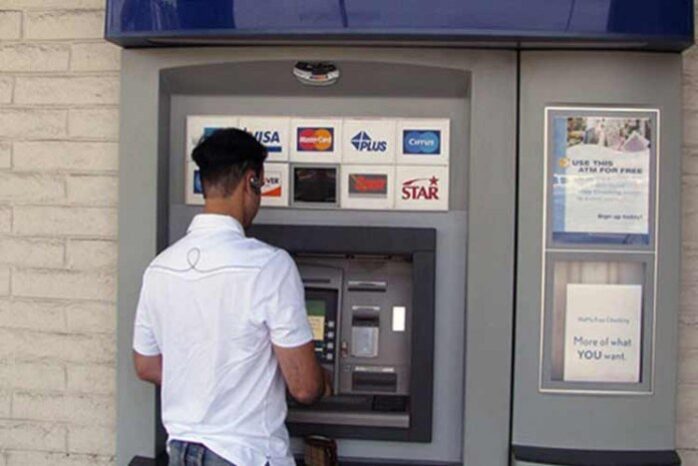
Today, ATMs do more than dispense cash. They allow for deposits, bill payments, and even mobile phone top-ups. Businesses now see them as tools for customer convenience, not just cash dispensers. Companies like Dash ATM Services provide comprehensive solutions, offering free installations for qualified businesses along with full-service management. This approach helps businesses deliver faster, more efficient financial services to their customers.
Imagine a small coffee shop owner who installs one through Dash ATM Services. Not only does it reduce the burden of handling large amounts of cash, but it also attracts more foot traffic. Customers stopping to withdraw money often make spontaneous purchases, boosting revenue. Additionally, businesses can earn passive income through transaction fees, turning an operational tool into a revenue stream.
Impact on Small Businesses and Entrepreneurs
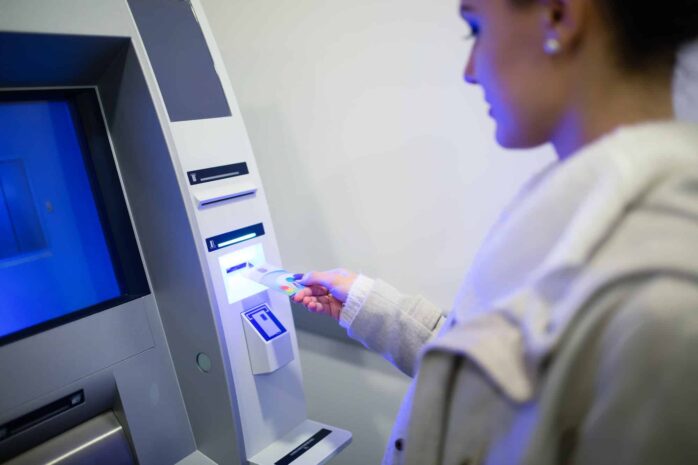
For small business owners, modern devices provide more than convenience. They reduce the need for manual cash handling, improve security, and can even generate passive income through transaction fees. The presence of an ATM can increase foot traffic, encouraging impulse purchases. It’s not just about having a machine; it’s about enhancing the customer experience.
Benefits for Small Businesses:
- Increased Foot Traffic: Customers often spend money in-store after using an ATM.
- Revenue Generation: Earn a share of transaction fees.
- Reduced Bank Runs: Less frequent trips to the bank to deposit cash.
- Improved Security: Less cash on hand reduces the risk of theft.
The Shift Toward Cardless Transactions
The next wave in ATM evolution is cardless access. Mobile banking apps now allow users to initiate transactions without a physical card. This reduces the risk of card skimming and fraud, addressing one of the longest-standing security issues. QR codes and near-field communication (NFC) technology are leading this charge.
Picture this: you forget your wallet at home but still need cash. No problem. With a smartphone, you can authenticate yourself, select the withdrawal amount, and collect your money without a physical card. This leap in convenience is reshaping user expectations.
The Role of Biometric Authentication
Fingerprint and facial recognition systems are becoming common in digital security. Financial devices are no exception. Biometric authentication offers a new layer of protection, ensuring that only the account holder can access funds. This technology also speeds up transactions, catering to the modern need for efficiency.
Biometrics reduce the chances of unauthorized access. Unlike cards or PINs, fingerprints and facial data are unique to each individual. In countries like Japan and India, biometric ATMs are already widely adopted, providing faster and more secure transactions.
How ATMs Shape Consumer Behavior
Consumer habits have shifted alongside technological changes. People expect quick, seamless access to their finances. The convenience of multi-functional devices has reduced reliance on traditional bank branches. This trend influences how banks design their customer service strategies, focusing more on digital interactions.
Key Consumer Trends:
- Less Reliance on Cash: With mobile payments rising, people withdraw smaller amounts.
- Expectation of Speed: Faster transactions are now the norm.
- 24/7 Access: The demand for around-the-clock service has become standard.
How User Experience Drives Design Changes
User experience (UX) plays a critical role in shaping financial technologies. The demand for intuitive interfaces has led to touchscreens, customizable menus, and faster processing speeds. Feedback loops from real users help developers refine systems for better accessibility.
FUN FACT: The design of the numeric keypad on ATMs was influenced by early telephone layouts, ensuring familiarity for users.
The Role of ATMs in Financial Inclusion
In regions with limited banking infrastructure, ATMs serve as vital access points. They bridge the gap for underserved communities, providing essential financial services without the need for full-scale bank branches.
Key Contributions to Financial Inclusion:
- Accessibility in Remote Areas: Bringing banking to rural populations.
- Language Options: Supporting multilingual interfaces.
- Affordable Financial Services: Reducing costs for both banks and users.
Conclusion
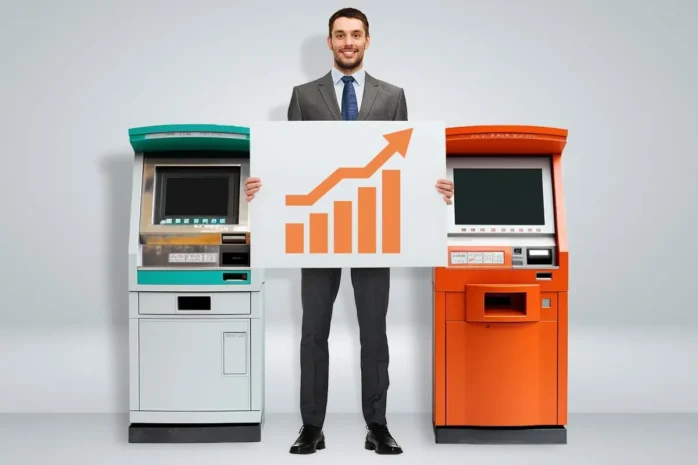
What started as simple cash dispensers have evolved into digital hubs integral to modern life. They’re not just about cash anymore; they’re about convenience, security, and efficiency. As technology continues to advance, one thing remains clear: the journey of ATM technology is far from over. The next chapter promises even more exciting innovations, with businesses and consumers standing to benefit from smarter, faster, and more secure financial interactions.