
Choosing the right city shapes your entire quality of life. It impacts your daily stress, career growth, health, and future. What many people ignore are the long-term consequences of location. It’s not just about liking the skyline or finding a job. The place you call home affects your opportunities, safety, relationships, and peace of mind.
This guide breaks down the key factors that should drive your decision—and helps you avoid choices you’ll regret five years down the road.
Key Highlights
- Job market strength directly impacts career satisfaction and income stability
- Cost of living must align with both salary potential and lifestyle goals
- Safety, infrastructure, and healthcare access determine long-term comfort
- Education quality and options matter, even if you don’t have kids yet
- Weather patterns affect physical health and mental well-being
- Access to real estate experts helps avoid costly property mistakes
Career and Financial Opportunities Come First
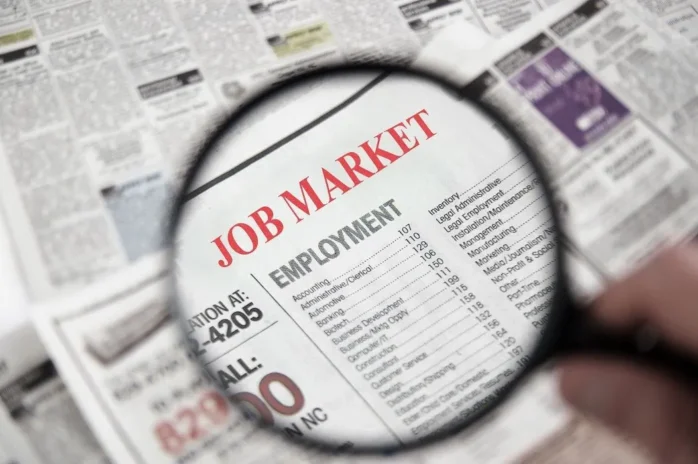
No city is worth your time if it can’t support your income goals.
Always research the local job market before you commit. Cities with diverse industries—like tech, healthcare, logistics, or finance—offer more flexibility and security. Avoid places where the entire economy depends on one field. You’ll have fewer backup options when things shift.
Also, don’t ignore tax policies. Some cities look affordable until income tax, property tax, and other hidden costs start draining your budget.
Cities with high salaries but extreme housing prices may leave you worse off. Run the numbers. Your net income matters more than your gross salary.
Cost of Living Dictates Day-to-Day Life
A good salary in a city with sky-high prices means nothing. Rent, transportation, utilities, food, and basic healthcare must all fit into your budget without stress.
Here’s a simple breakdown to check cost alignment:
| Expense Category | What to Compare |
| Housing | Median rent or home price vs. your income |
| Groceries | Local store pricing or delivery fees |
| Utilities | Water, gas, internet – are they bundled? |
| Transportation | Car ownership cost vs. public transit |
| Entertainment | Average restaurant bills, gym prices |
Even affordable cities can get expensive fast if they lack basic infrastructure—long commutes, inefficient services, and poor planning waste your time and money.
Housing Market and Real Estate Support

A city with decent real estate options and qualified agents saves you more than just money. It saves you from poor decisions. If you’re considering moving to Malta or Gozo, working with excel.com.mt gives you access to trusted property expertise. Their focus on quality listings and personalized support bridges the gap between seller expectations and buyer priorities.
They’re known for high-standard properties and helping buyers find real value in a market that often overwhelms newcomers. Whether you’re planning to buy now or invest later, having the right local insight matters more than flashy listings.
Safety, Cleanliness, and Healthcare Access
People underestimate how stressful unsafe or poorly maintained cities can be.
You need to check real crime data—not just online reputation. Also, look into:
- Walkability of the neighborhoods
- Emergency service response times
- Availability of general practitioners and specialists nearby
- Clean public spaces, air, and drinking water reports
Poor sanitation or hospital shortages may not seem urgent when browsing photos, but they quickly become major problems once you move.
Your health, both physical and mental, depends on how well a city is maintained and managed.
Education Systems Affect More Than Just Students

Even if you don’t have kids yet, strong education systems mean:
- Higher neighborhood value
- Better social environments
- More stable long-term investments
Look into:
- Public vs. private school rankings
- Presence of universities or research centers
- Language support if moving internationally
A city’s approach to learning reflects how it values growth, diversity, and family life.
Climate Comfort Should Not Be Ignored
Hot summers, endless rain, or freezing winters affect more than your wardrobe. Weather shapes your energy bills, commuting routine, social life, and even mood.
Cities with stable, moderate climates reduce health risks and daily discomfort. If you’re moving internationally, compare averages for:
- Summer highs and humidity
- Winter lows and heating requirements
- Storm frequency, flooding, or natural disasters
Climate stress adds up. It changes how often you go out, how much you spend on utilities, and how likely you are to stay long-term.
Transportation and Daily Mobility

Being stuck in traffic ruins your quality of life fast. Long, expensive commutes eat your time and money.
Always ask:
- Is there reliable public transportation?
- Are walking or biking safe and common?
- Can you reach key places—work, schools, hospitals—within 30 minutes?
Also, check how well the city handles traffic during events or bad weather. Flexibility in how you move matters more than any single feature.
Community and Social Infrastructure
A city might be beautiful on the surface, but if you can’t build a life there, it won’t last.
Ask yourself:
- Is the city friendly to newcomers?
- Are there social hubs, clubs, or coworking spaces?
- Do you feel welcome based on your background or language?
Support networks and friendships grow through shared interests. Cities with strong community programs, active social events, and inclusive policies offer deeper satisfaction.
Long-Term Growth and Stability
Look at population trends, infrastructure spending, and local government plans. Growing cities with responsible leadership will offer more job opportunities, better services, and higher property value.
You don’t need a booming metro. Even small cities can outperform large ones if they’re building wisely.
Some indicators of future growth:
- Planned investments in roads, hospitals, or schools
- Tech or industrial development zones
- Green space expansion and environmental policies
- Steady migration of professionals, not just retirees
Cities on the rise carry lower risks and better returns—both financially and emotionally.
Final Word

Picking the right city means more than following hype or chasing weather. You must look at facts, patterns, and your own values.
The right city supports your career, health, family, and happiness. It won’t solve every problem—but it won’t create new ones either. With proper research and help from reliable sources, you can make a move that genuinely improves your life.
Move smart. Where you live decides how you live. Make that choice count.